
Introduction
I never got around to writing up my notes on this trip until now – somehow life took over after we got back and I also felt a lack of words to describe how epic it was. Having said that, epic is probably a good word to start with. Crossing this vast continent from the Great Lakes to the Pacific Coast was a truly amazing journey – filled with thoughts of the westward trek of the settlers, the gold rush, the construction of the transcontinental railroad, and all the shortcomings of Amtrak can throw at you.
With plans to visit Chicago anyway, we had a choice of three transcontinental journeys (Seattle, San Francisco and LA). It was our daughter’s choice and she quickly decided on San Fran. We made sure she knew that Starfleet Academy wouldn’t open there for another 139 years.
Amtrak has three great trancon trains with The Empire Bilder taking the northern route to Seatle, WA via Montana and the Southwest Chief running to Los Angeles on a southerly route. The California Zephyr, namend after the Greek good of the westerly mountain wind, to San Francisco runs inbetween them crossing the Great Plains via Omaha, NE to Denver, CO. From there it traverses the Rocky Mountains towards Salt Lake City, UT and then heads on through the Sierra Nevada to Sacramento and Emeryville in California. The last leg to San Francisco, CA is via a bus service.
Before the all aboard whistle blows, it is time to give a big shout out to Jebb Brooks of GreenerGrass.com, whose YouTube video inspired this trip. We watched it in the dark days of the Covidian winter of 2021 and made a sort of vow to make the trip ourselves as soon as things improved.
Hey, Jebb, we even brought the prunes:

Trip Report
Departure from Chicago, IL Union Station
After a few days we headed to Chicago Union Station to board a train for a 2 ½ day journey to the Pacific Coast. The concept of ‘living’ on a train for days on end is fascinating to someone from Western Europe, where an overnight train journey is rarely more than a short night – often arriving at ungodly hours. There is complimentary access to the Metroplitan Lounge with all types of sleeper tickets on Amtrak. Before relaxing in the lounge we checked our baggage which is done ‘airport style’ on the concourse level of the station.
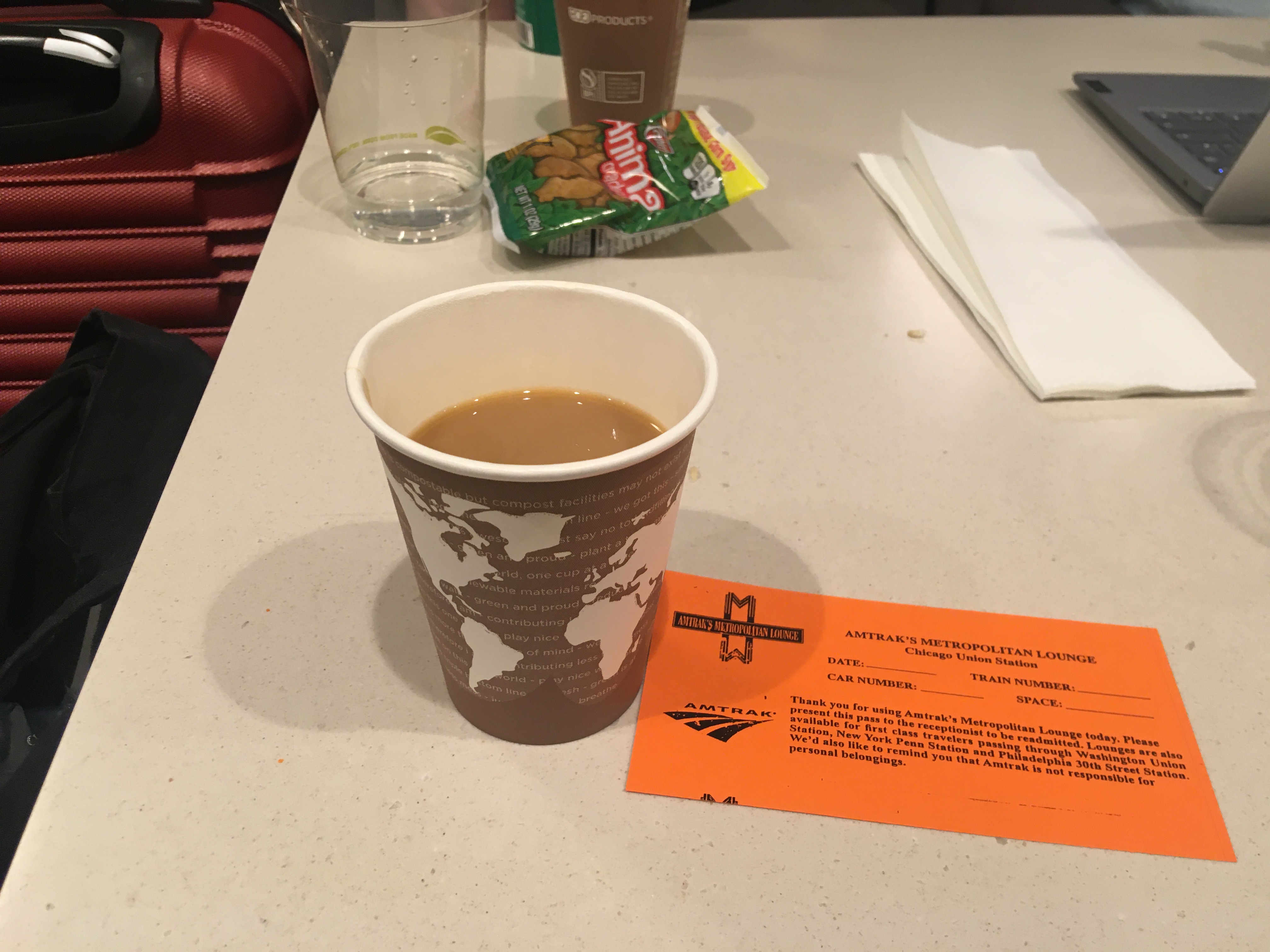
Unfortunately, Amtrak was going to make sure that this trip was going to be a lot less contemplative than I had imagined it would be while sipping decaf in the lounge. Regular was out; I guess I should have seen the signs of trouble to come.
After a couple of hours in the Metropolitan Lounge with its architectural splendour – and not quite so splendid range of food and drink – it was time to head for the cavernous platforms.

Trains are called in the lounge and passengers are escorted in groups to the boarding area.
The friendly sleeping car attendant, who would be with us all the way to the West Coast, checked us in and showed us to our Roomette compartments on the upper deck.
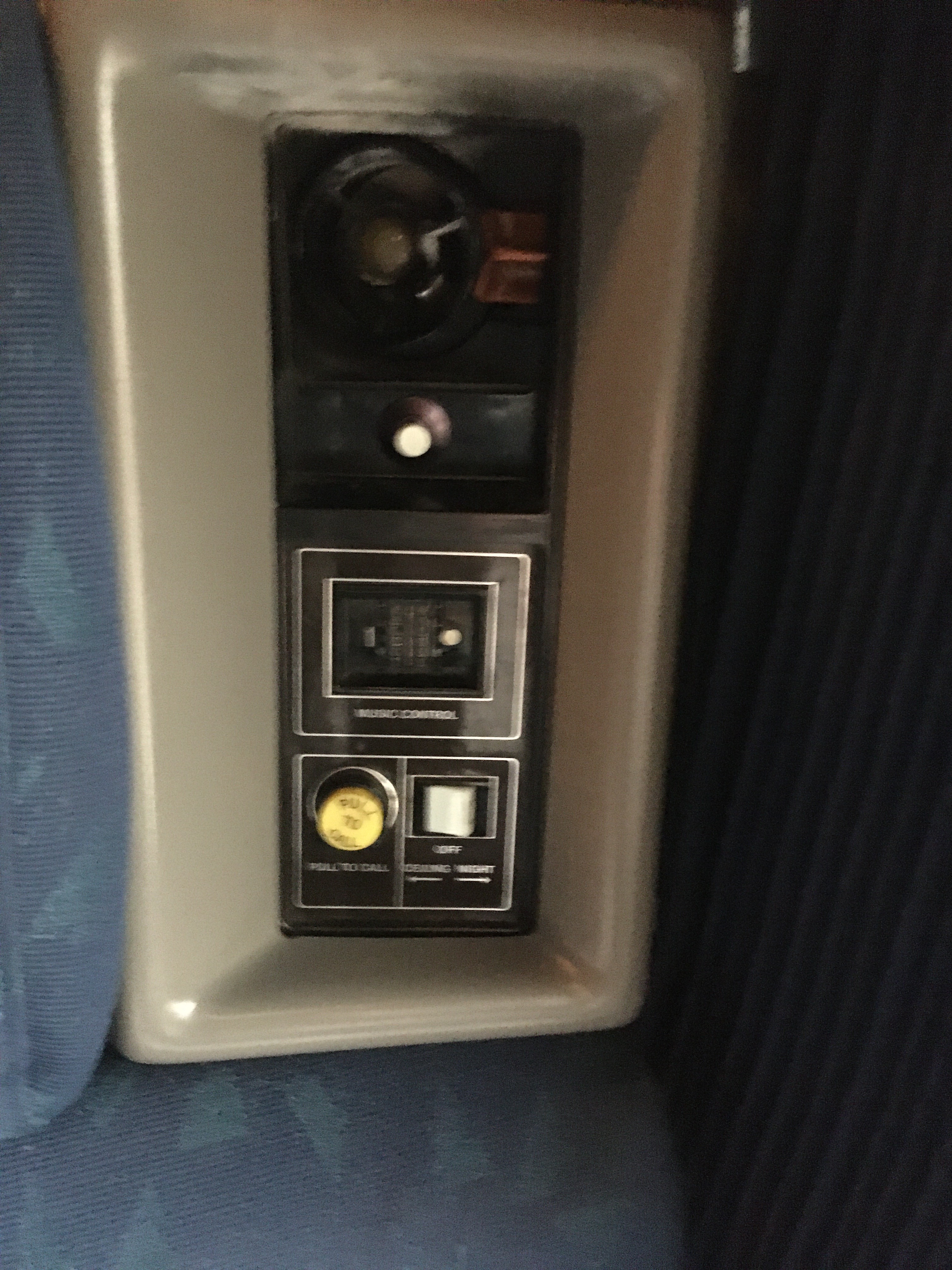
A bottle of water and a very dirty menu were waiting for us. Unlike our overnight trip to Sicily with Trenitalia, there were no amenity kits, but of course linen and bedding were provided.
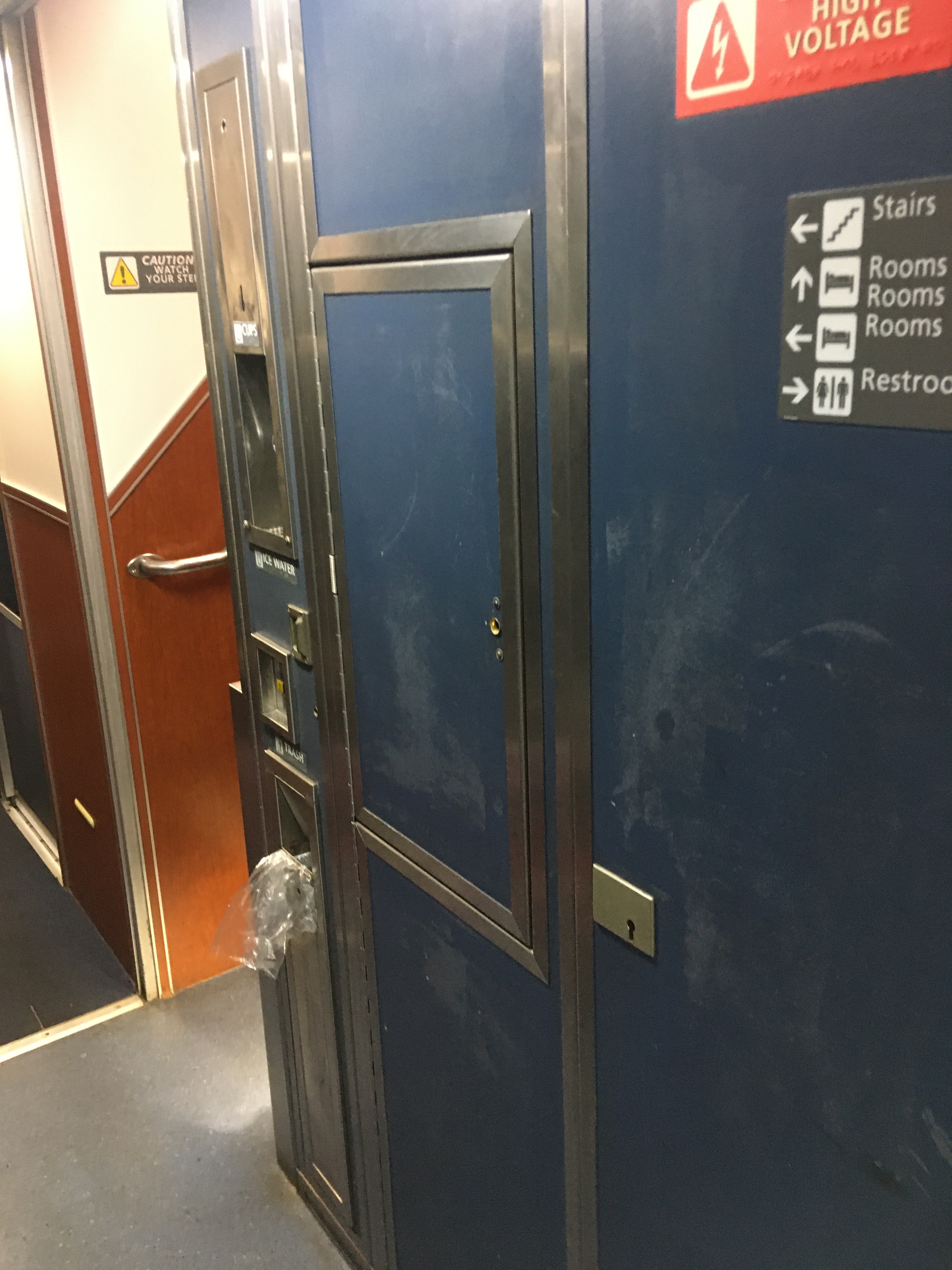
Our car has clearly not been updated – and in some hard-to-reach areas, cleaned – since it entered service four decades ago. I do not want to hold Amtrak to unrealistic standards, butdoing a deep clean every decade or so shohldn’t be too much to ask.
Exploring the Train
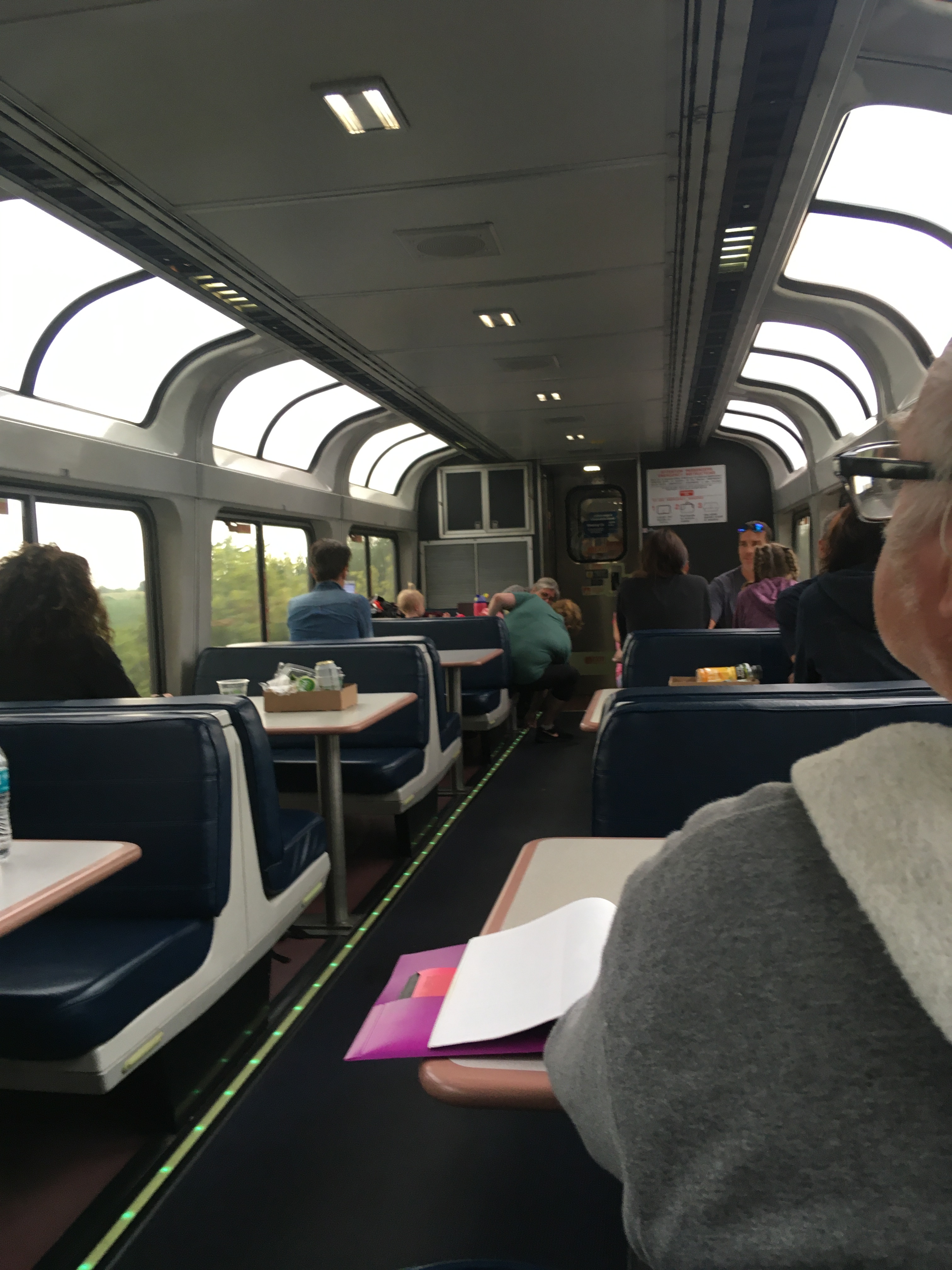
Two GE Genesis/Siemens ALC-42 diesel-electric locomotives hauled us out of Chicago’s Union Station, followed by a baggage car, three sleeping cars, a sightseeing lounge car and two coaches. All of the cars, except the baggage car, were two-storey, with passenger areas on both the upper and lower levels.
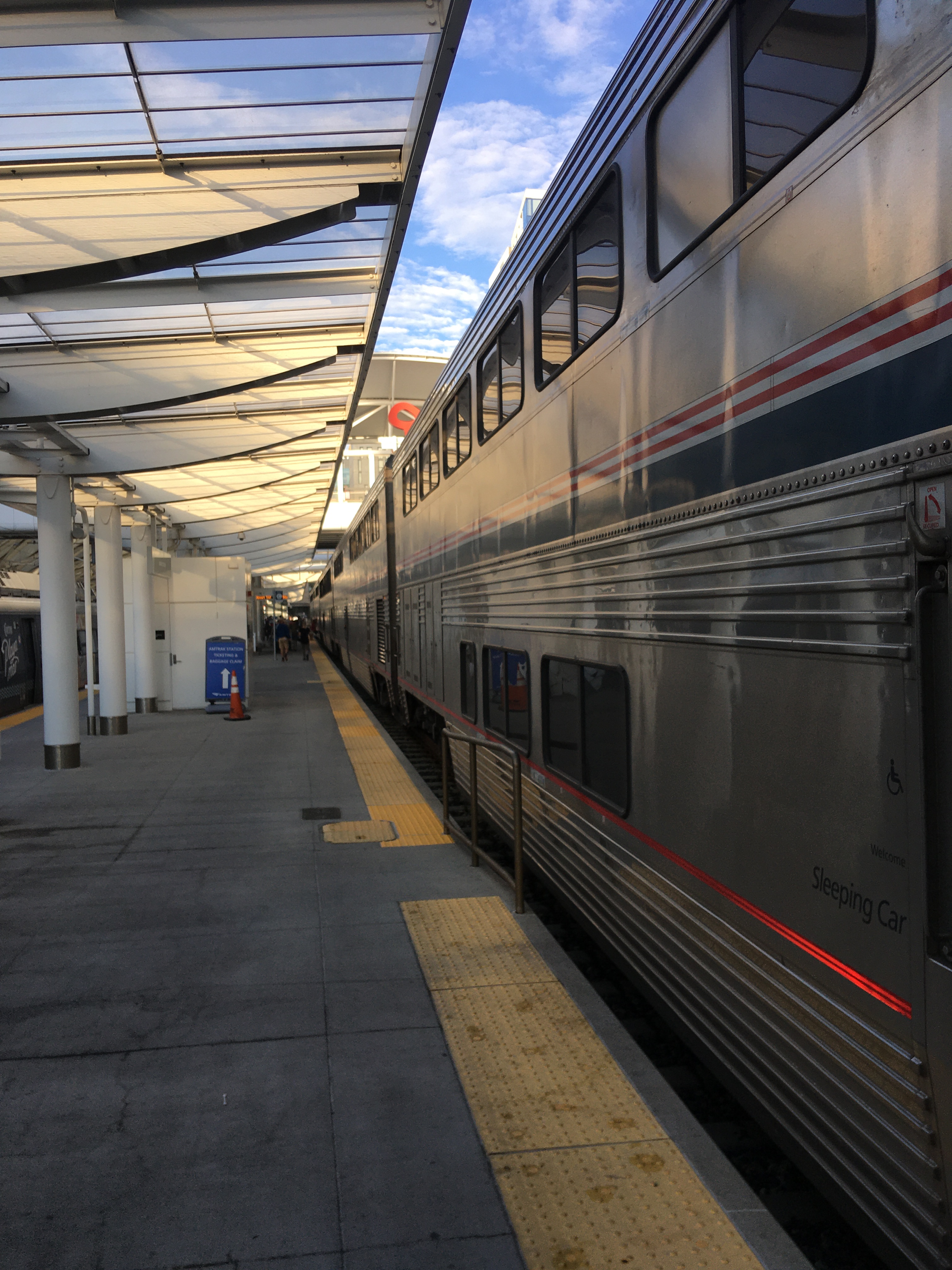
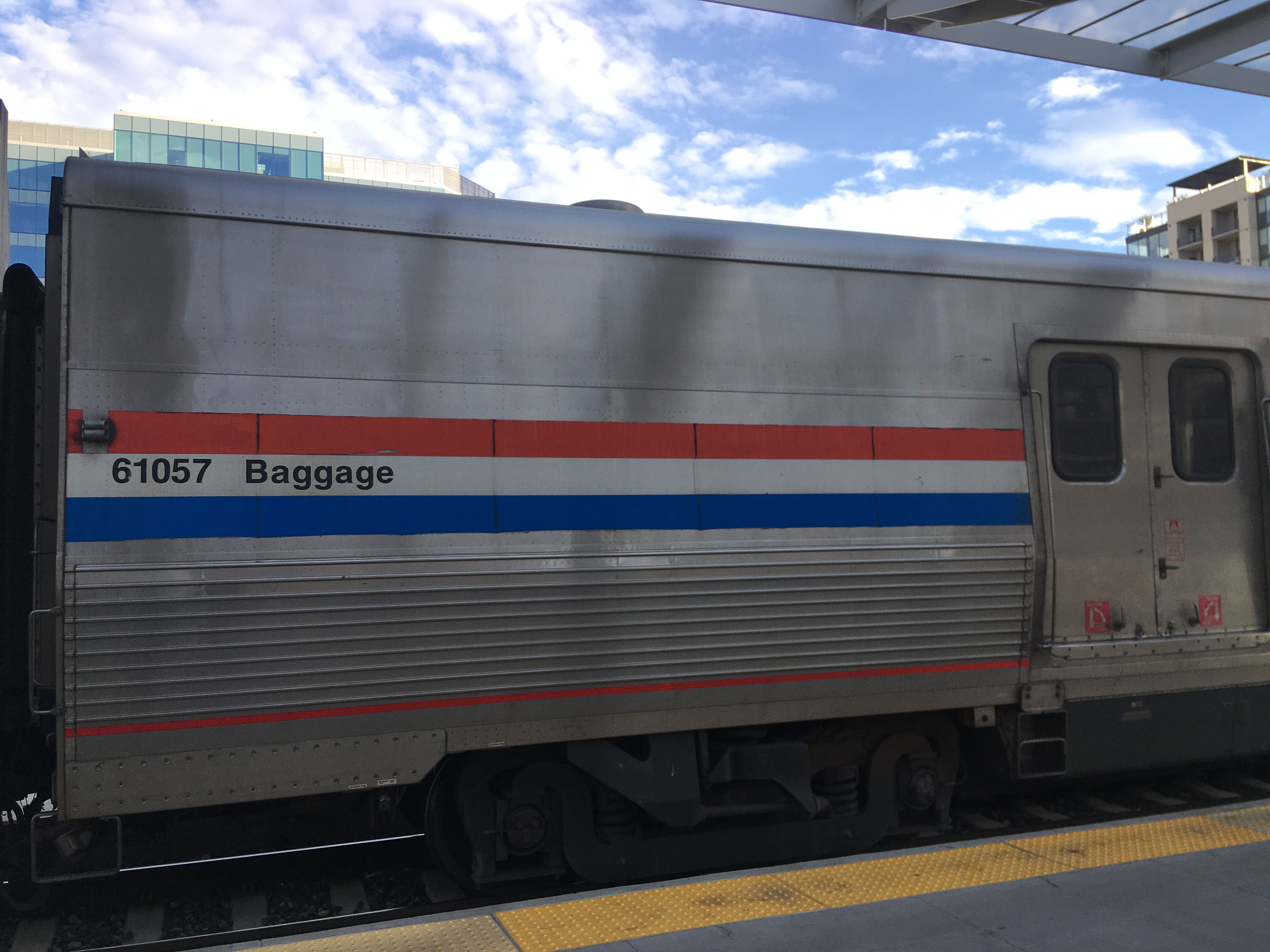
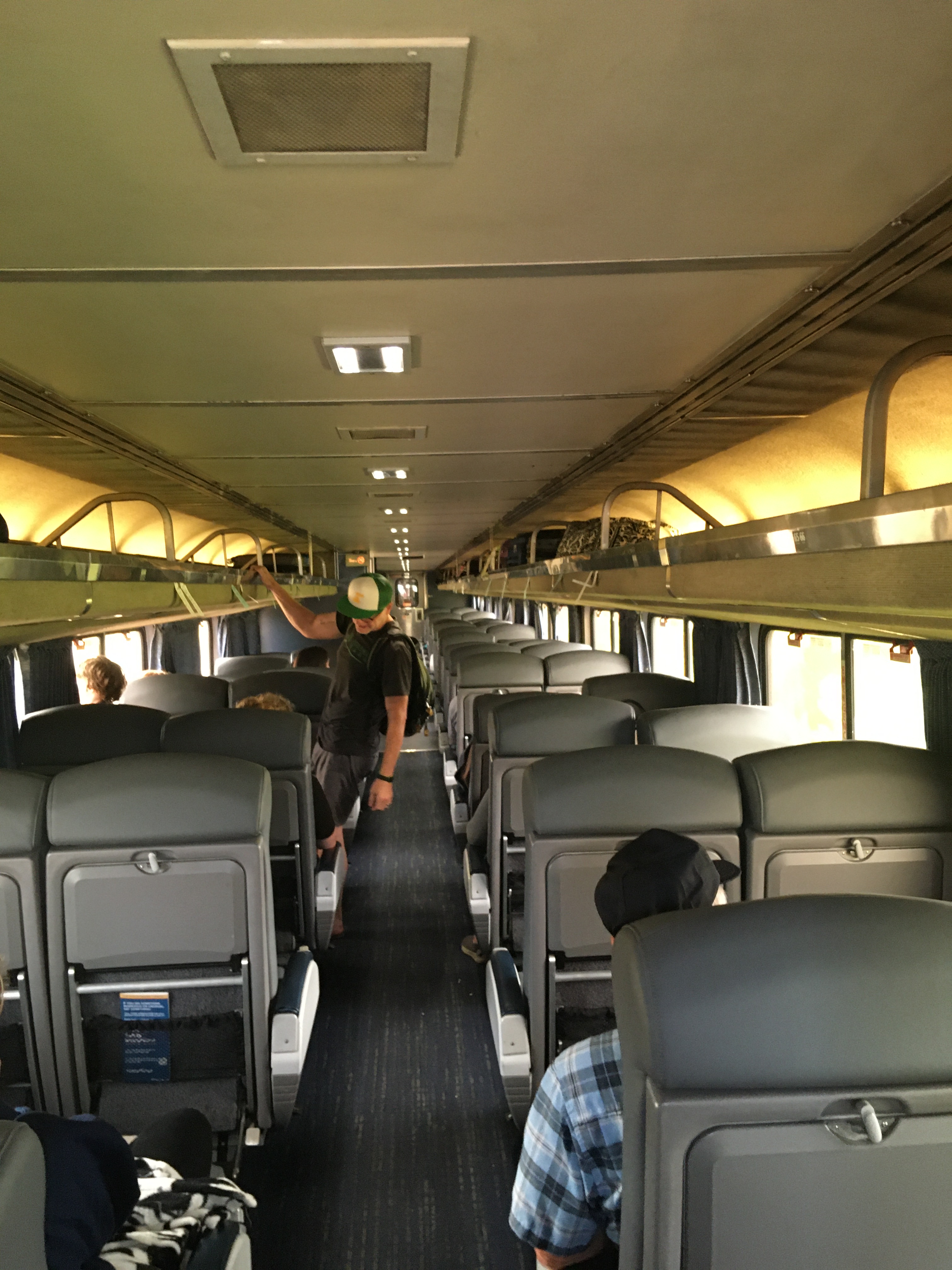
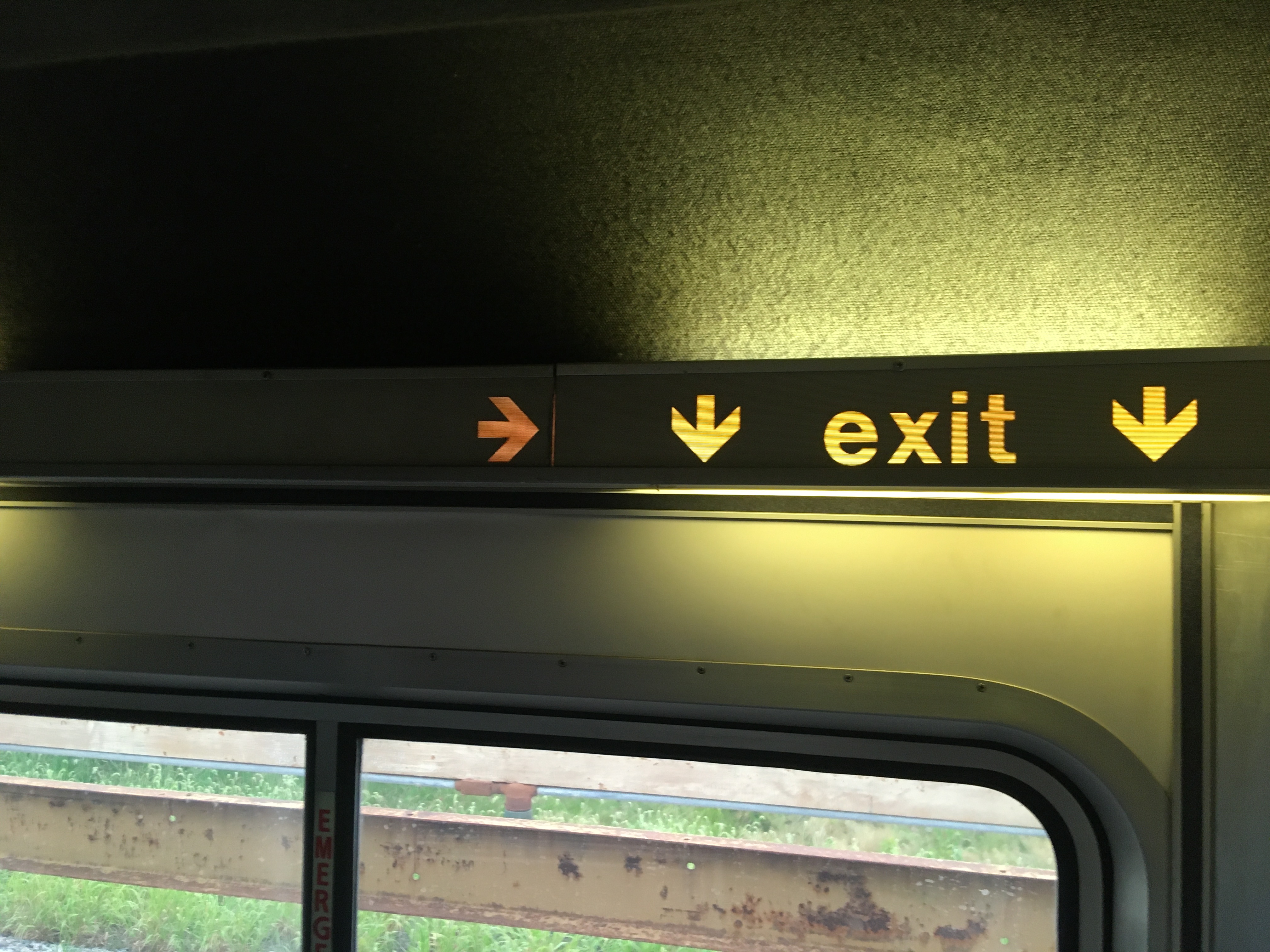
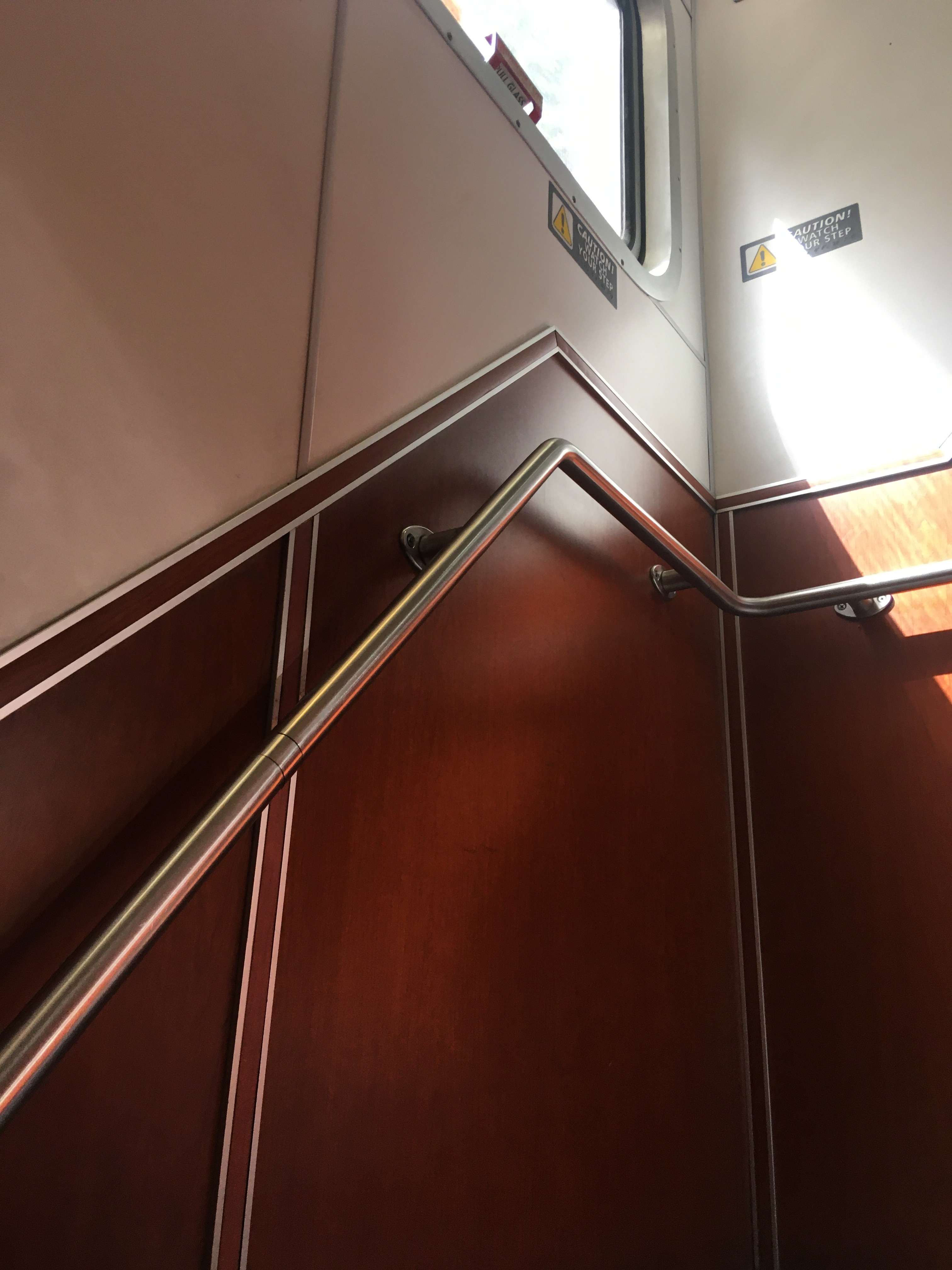
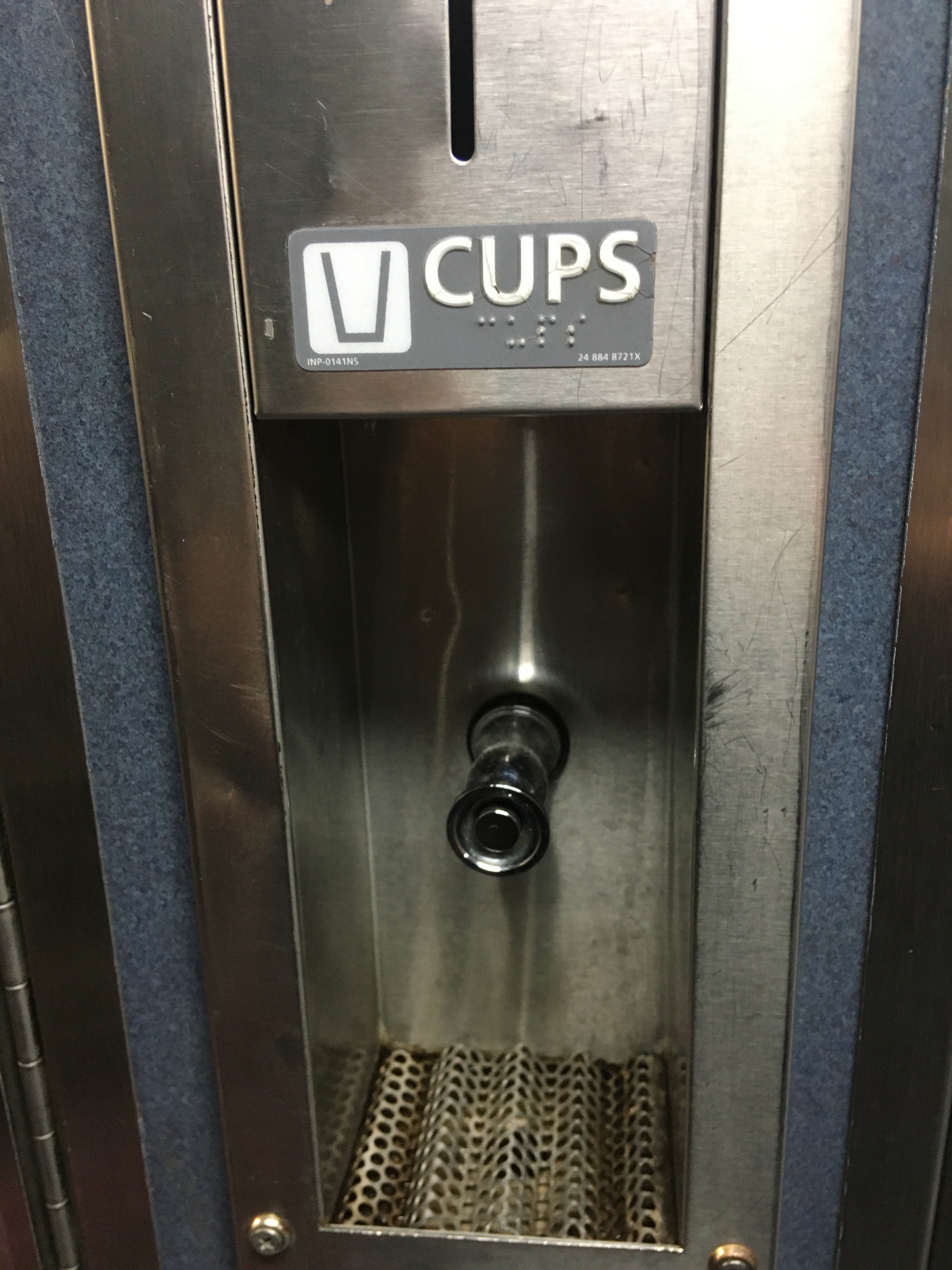
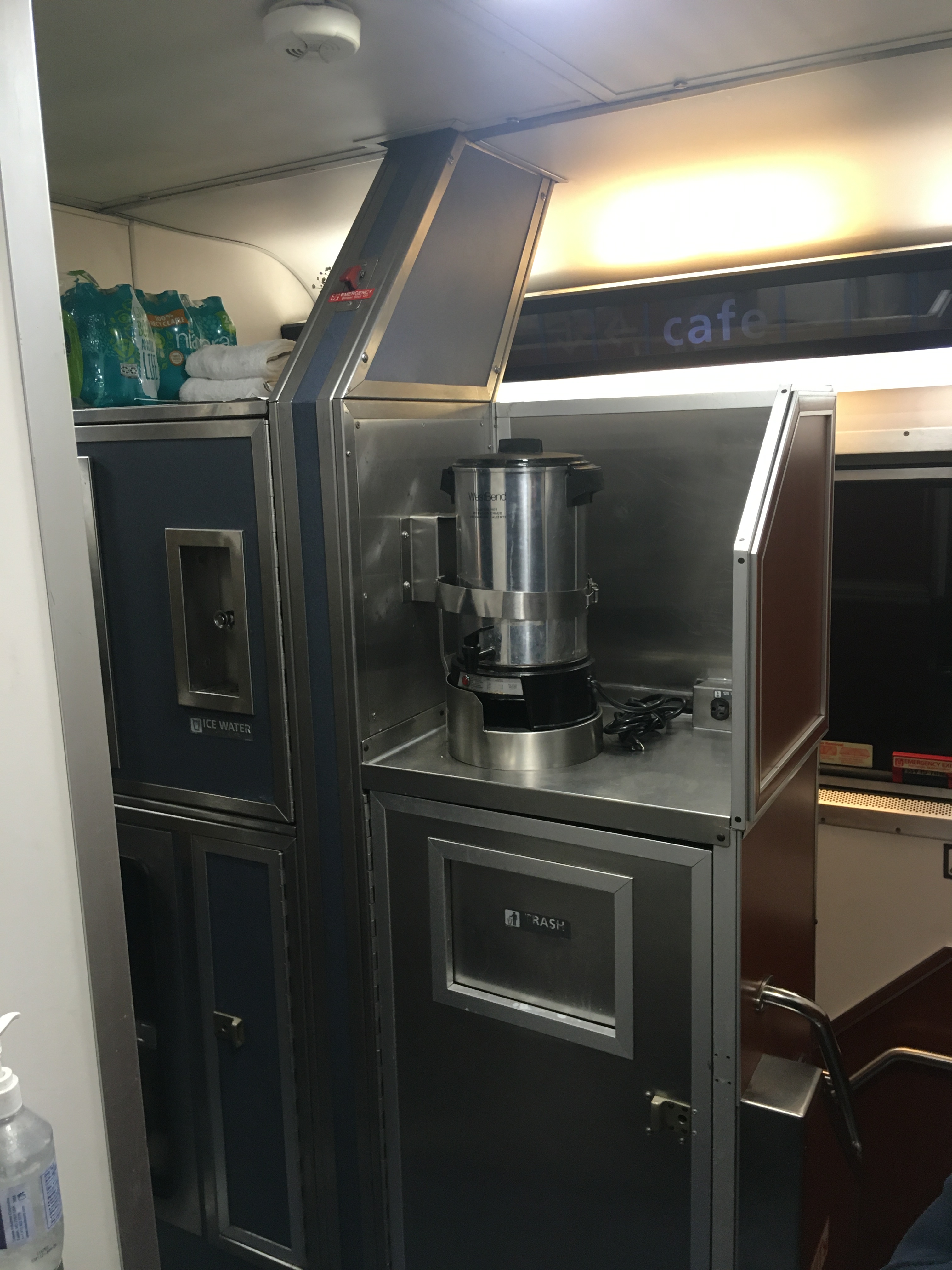
Even though you board the train from a dimly lit cave in Chicago, the train looks iconic with its extensive line of shiny cars whose hulls look so much like Airstream camping trailers or American Airlines’ 1968-2013 bare metal livery. In fact, these huge cars were the first to be custom-built for Amtrak, which previously used a motley crew of sleeping and dining cars from predecessor companies.T he contract went to Pullmann-Standard – who else, you might say – who built the new coaches in 1977/-78 for the 1979 premiere between Chicago and Milwaukee.
The california Zephyr looked as if it had never been since. While all the visible surfaces and neuralgic areas such as the toilets were reasonably clean, there was plenty of crusty dirt, dust and threadbare disrepair.
The train made up for its dingy appearance with plenty of period charm, especially in the dining car.

Crossing the Plains From Chicago, IL to Denver, CO
The train pulled out of the station as majestically as we had imagined, we toasted the trip with a can of beer and… the train stopped after a few hundred yards. Some kind of engine problem kept us on the tracks outside Chicago Union Station for about an hour.

The journey then began a second time; too bad we hadn’t brought more beer.

A few hours into the journey, our daughter’s compartment door got stuck in a half-open position and no one from the Amtrak team was able to fix it. Having her sleep in an unlocked compartment wan’t ideal. Of course, we would have offered that a parent bunks with her, but unfortunately she was the only one small enough to fit through the opening. The attendant explained that a mechanic might be able to look at it in Denver (which never happened).
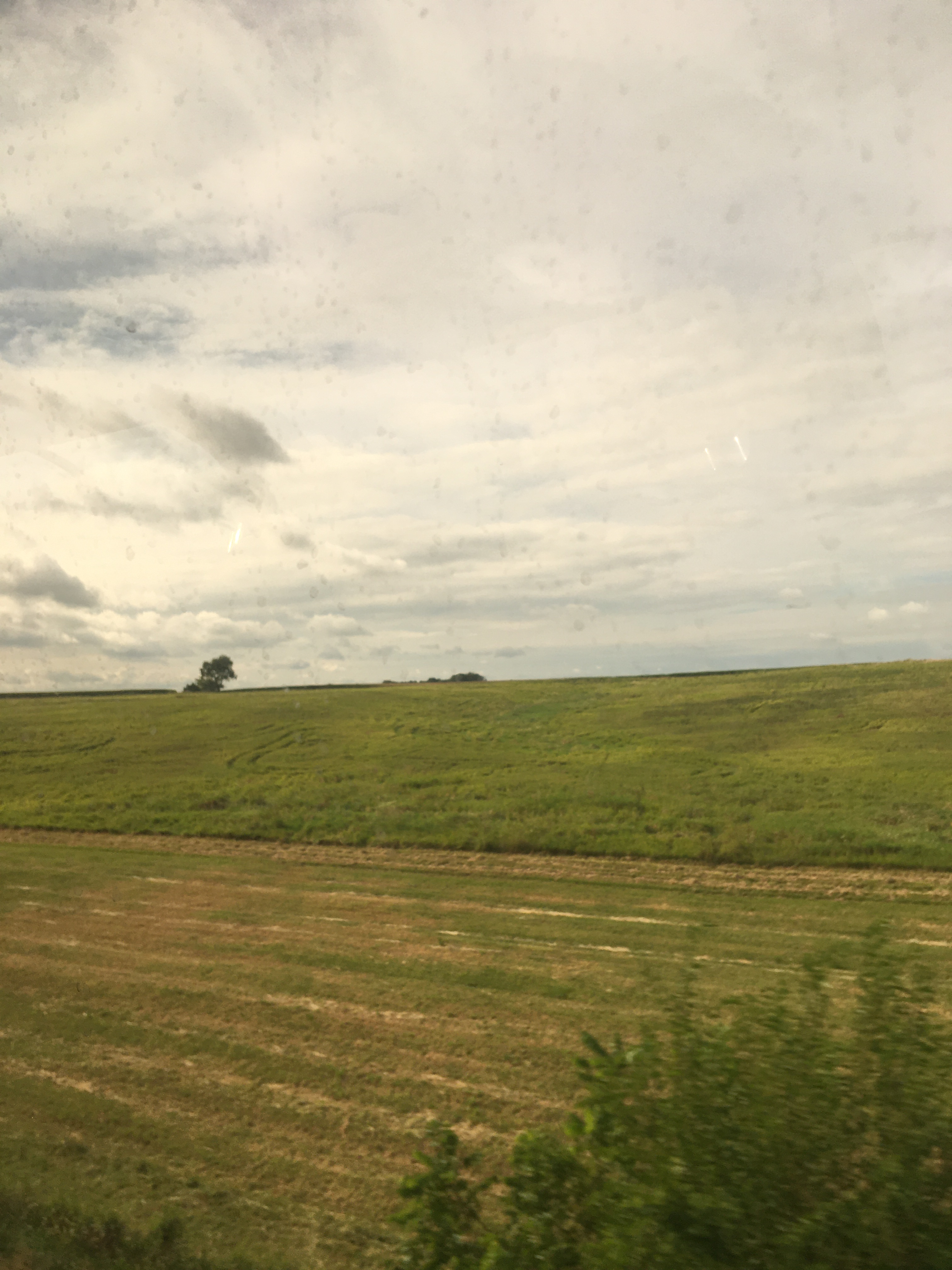
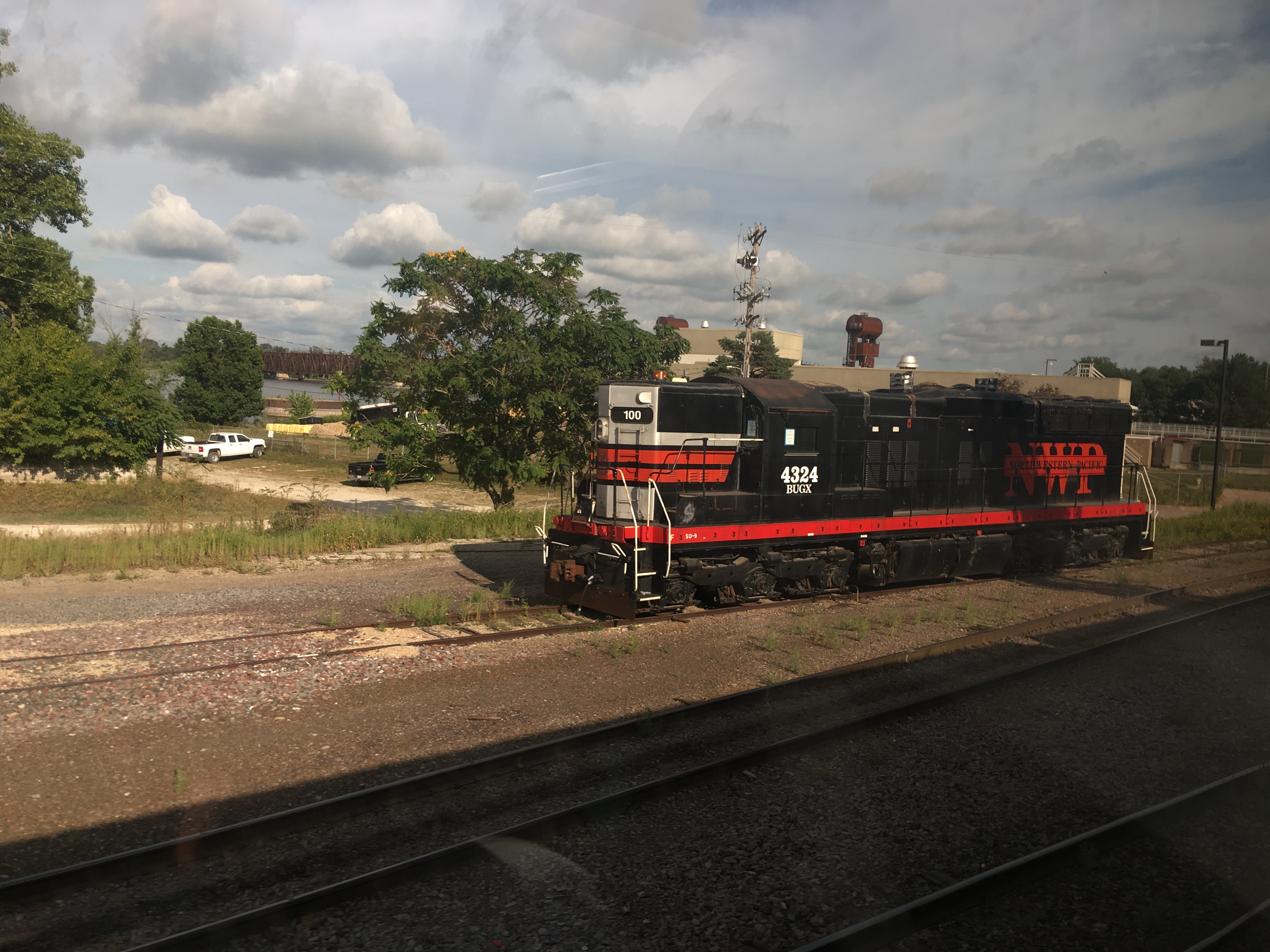
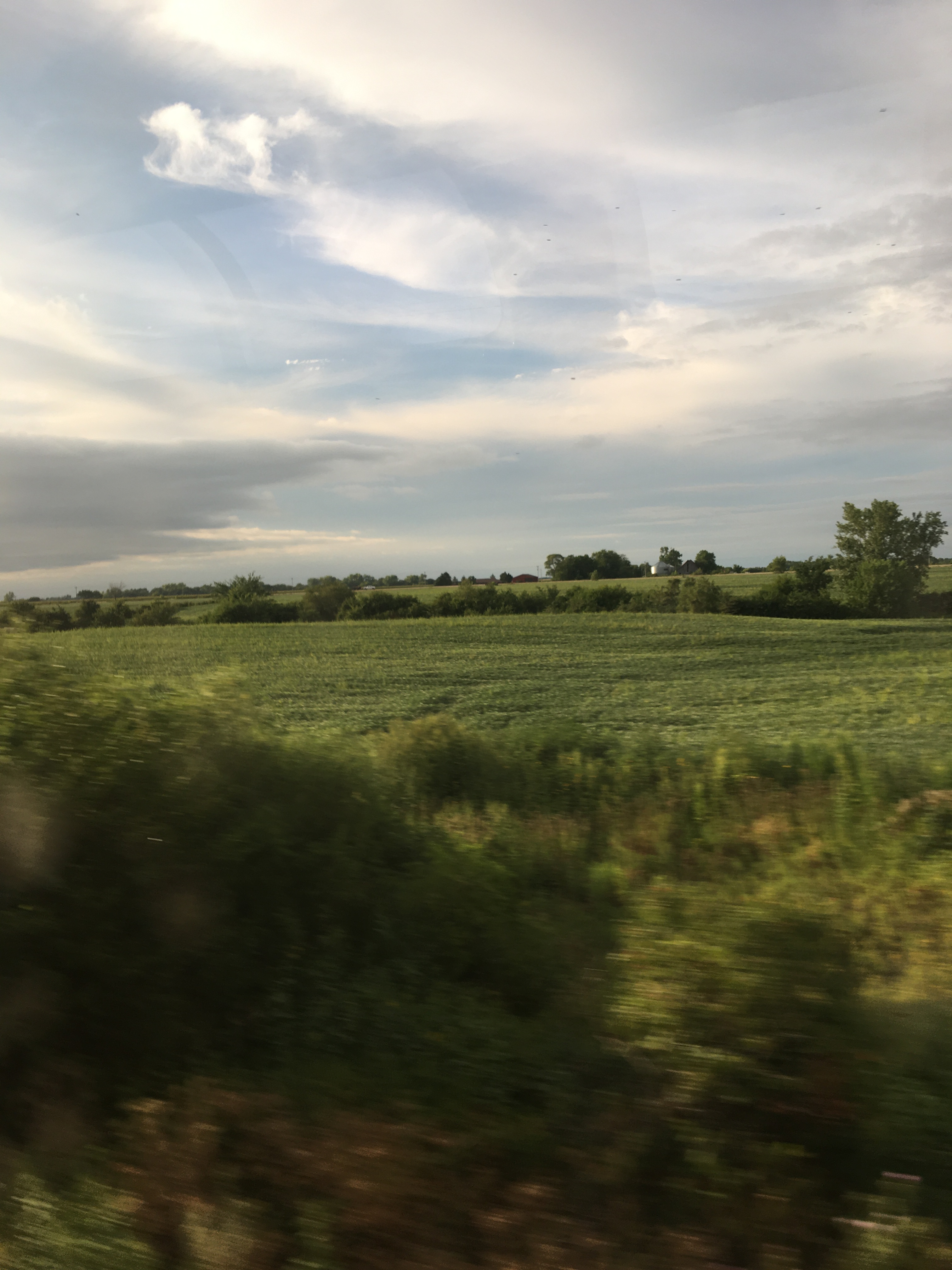
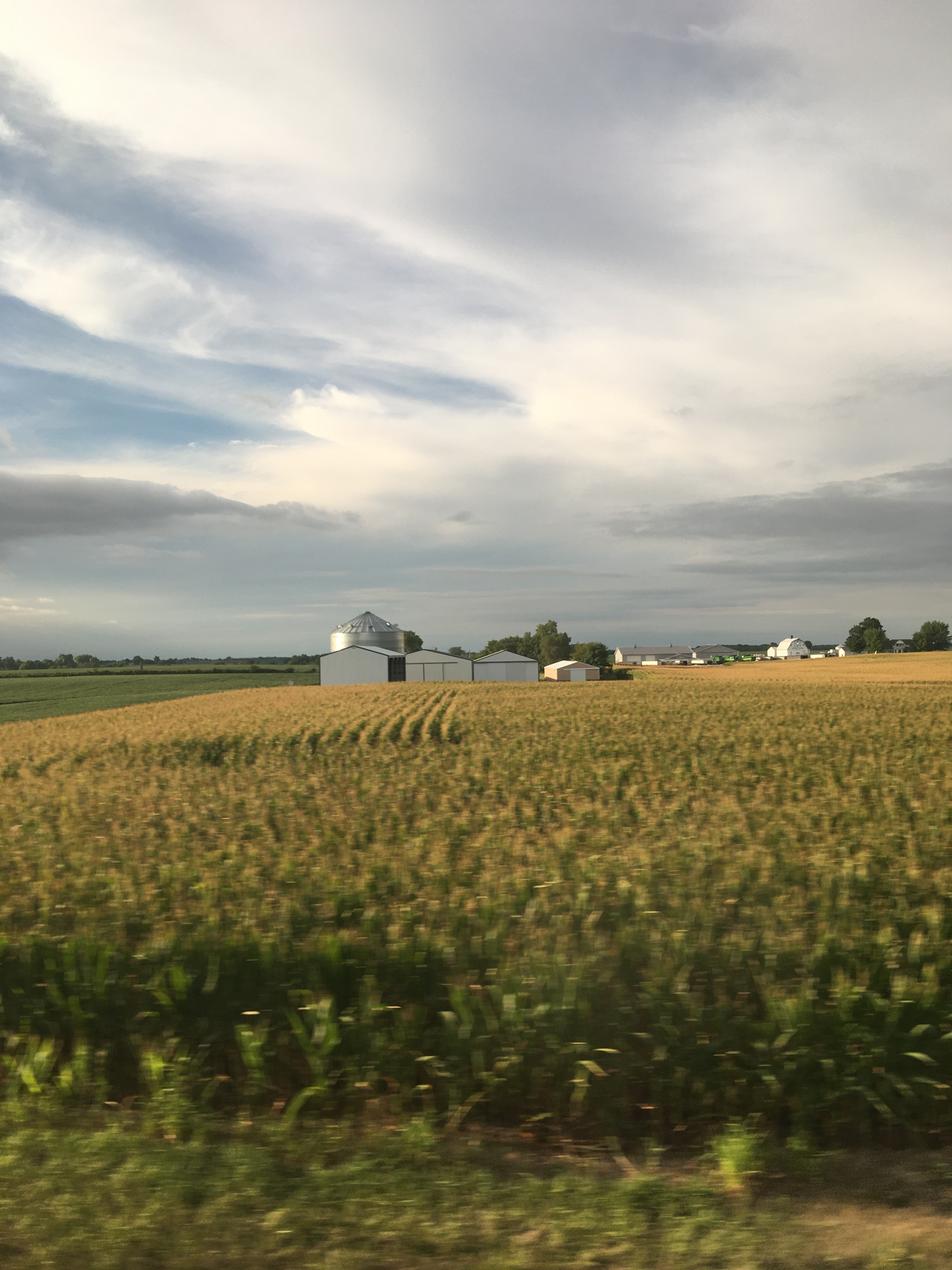
The rest of the afternoon was uneventful, and although the route through the prairies isn’t particularly exciting, the big sky and endless plains are absolutely fascinating.

Denver, CO to Salt Lake City, UT
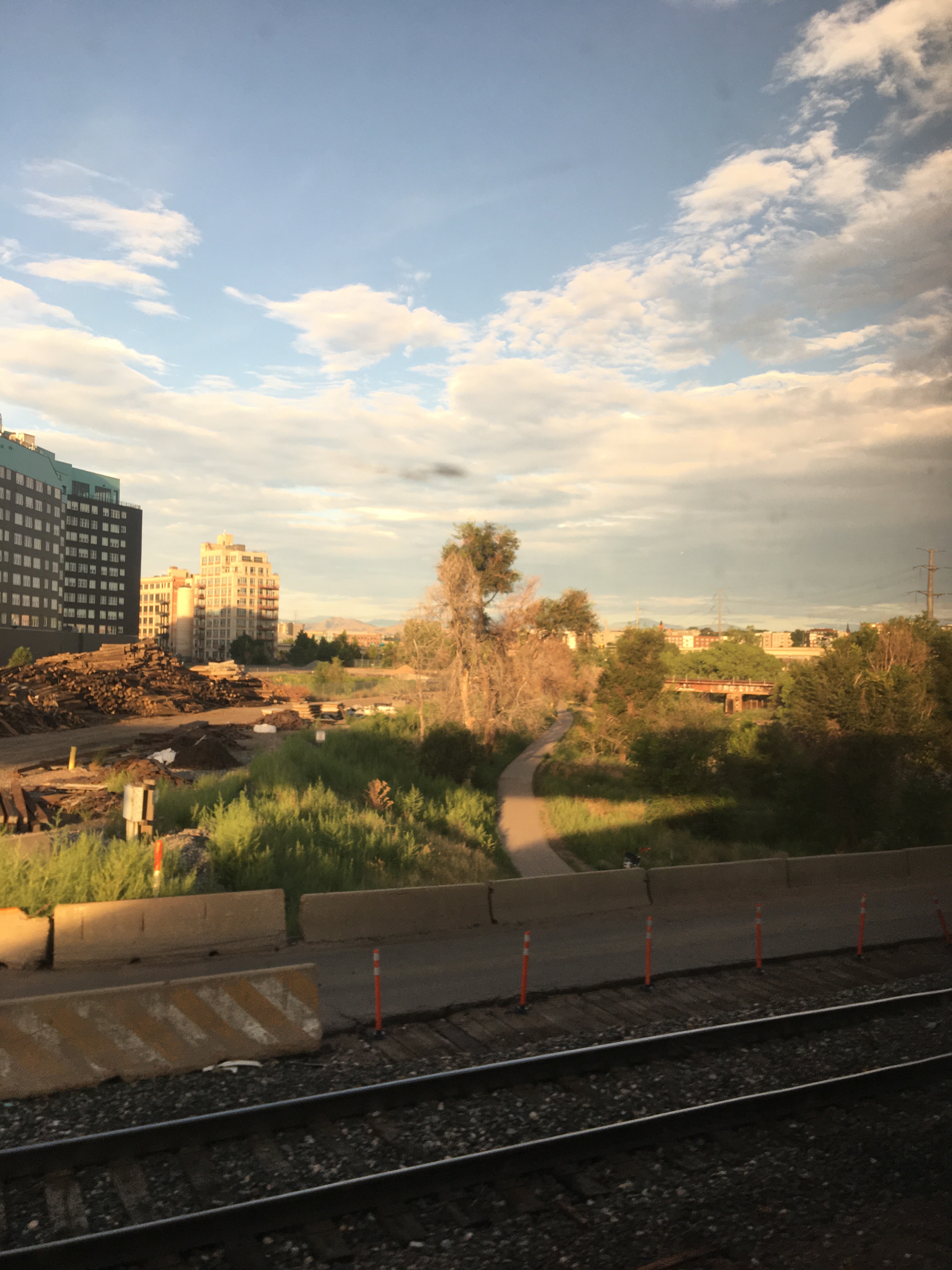
The tracks across the plains are straight and smooth, so there is a chance of a good night’s sleep. As the California Zephyr pulled into Denver on the morning of Day 2, the peaks of the Rockies where already visible on the horizon, heralding more twists and turns on the next leg of the journey.
There is a one-hour stop in Denver – long enough for a short stroll on the platform after a night on the train.
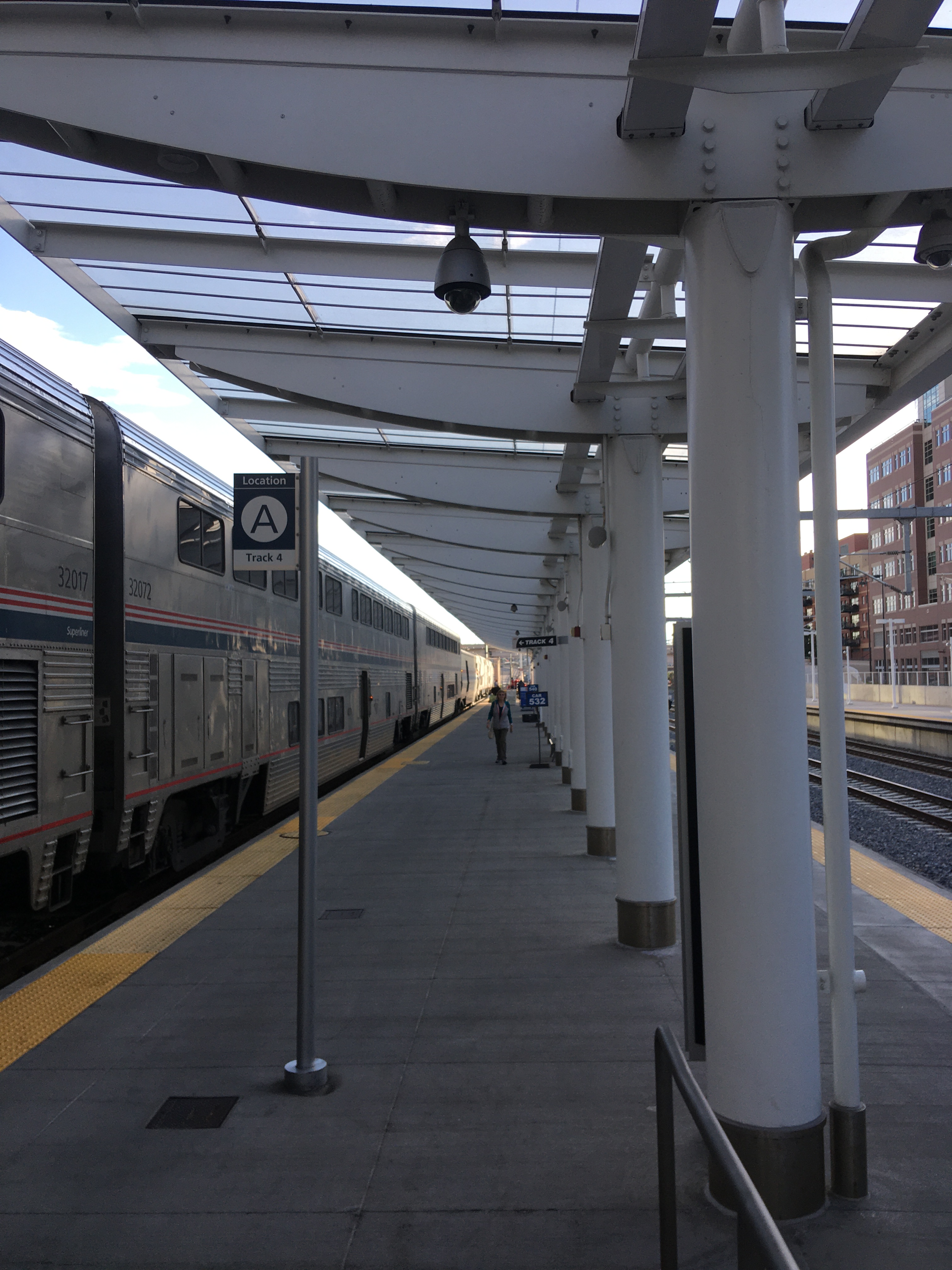
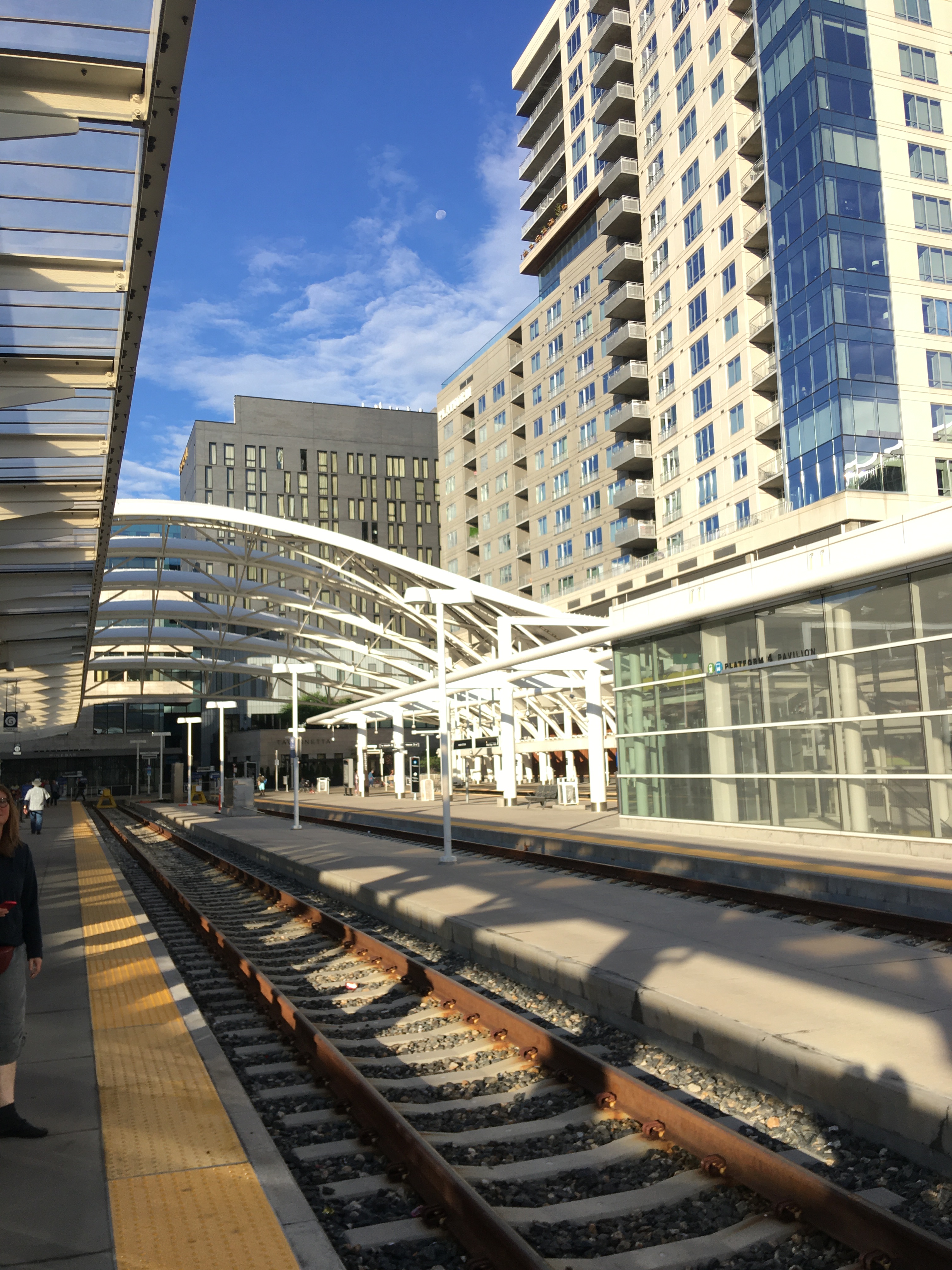
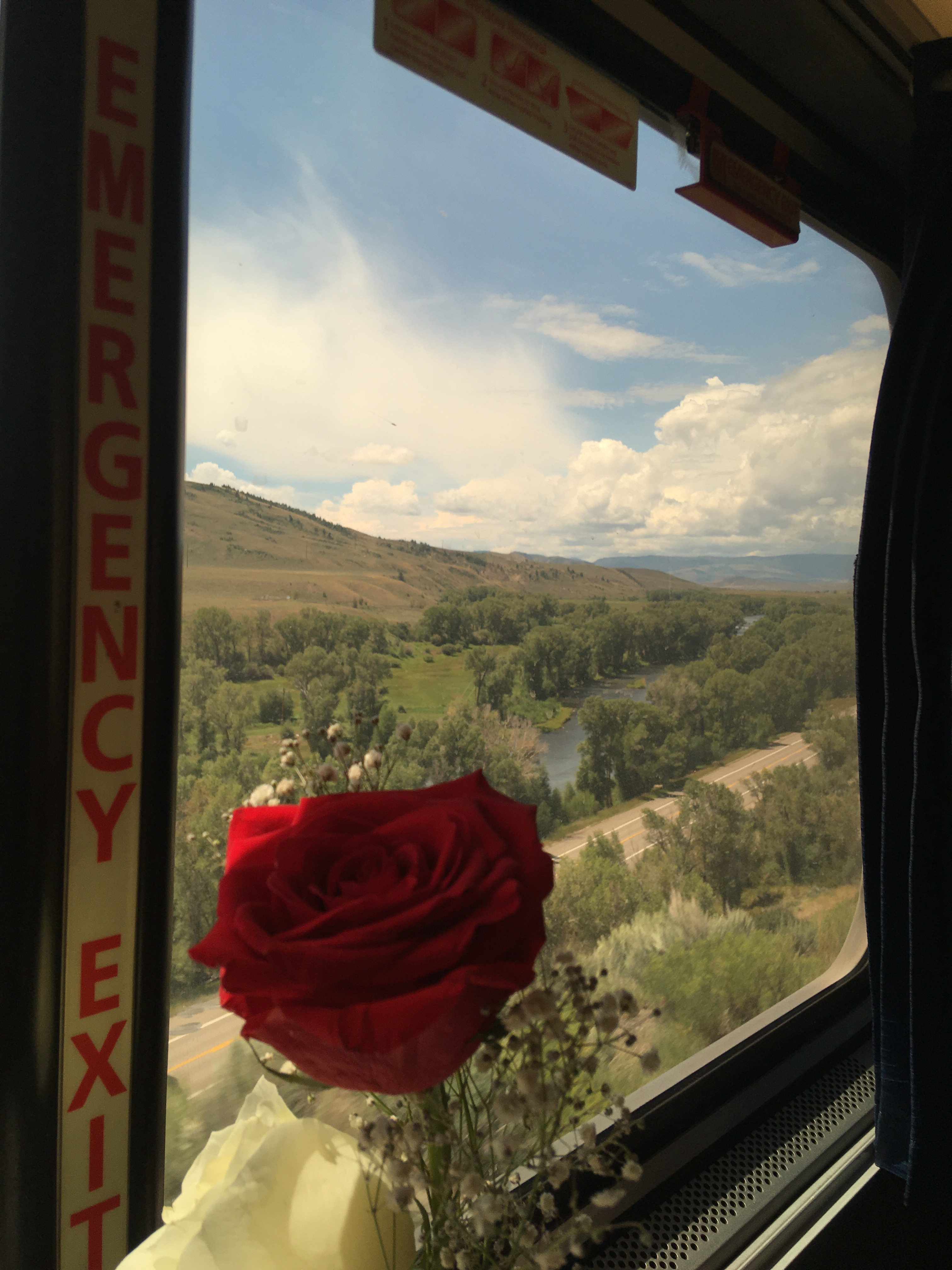
After leaving Denver, a hot breakfast in the dining car was all it took to reach the first foothills of the Rocky Mountains. The stretch between Denver and Grand Junction is probably the most scenic part of the journey with views of Byers Canyon, Gore Canyon and Glenwood Canyon and the spectacular 10 kilometre long Moffat Tunnel.
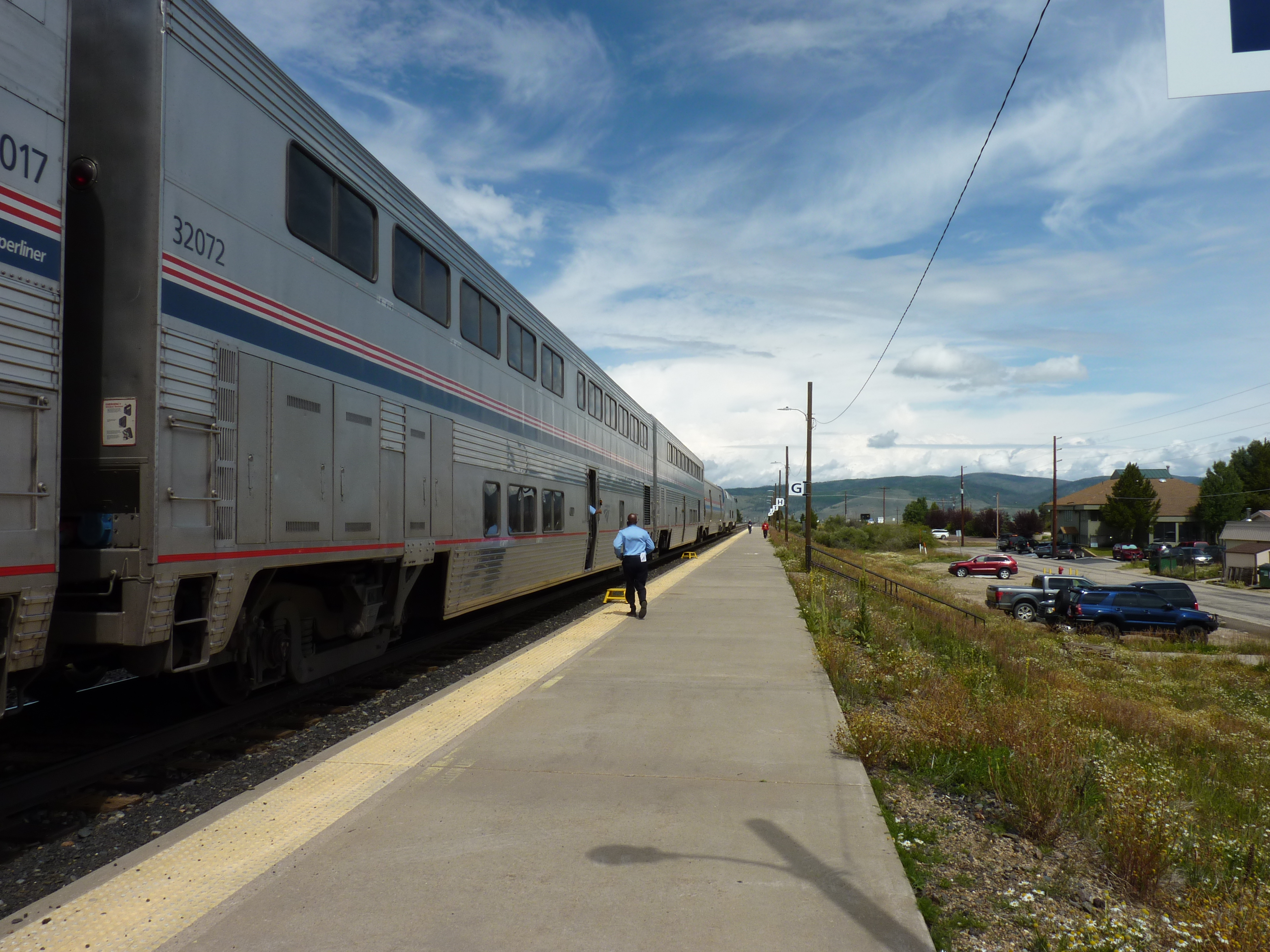
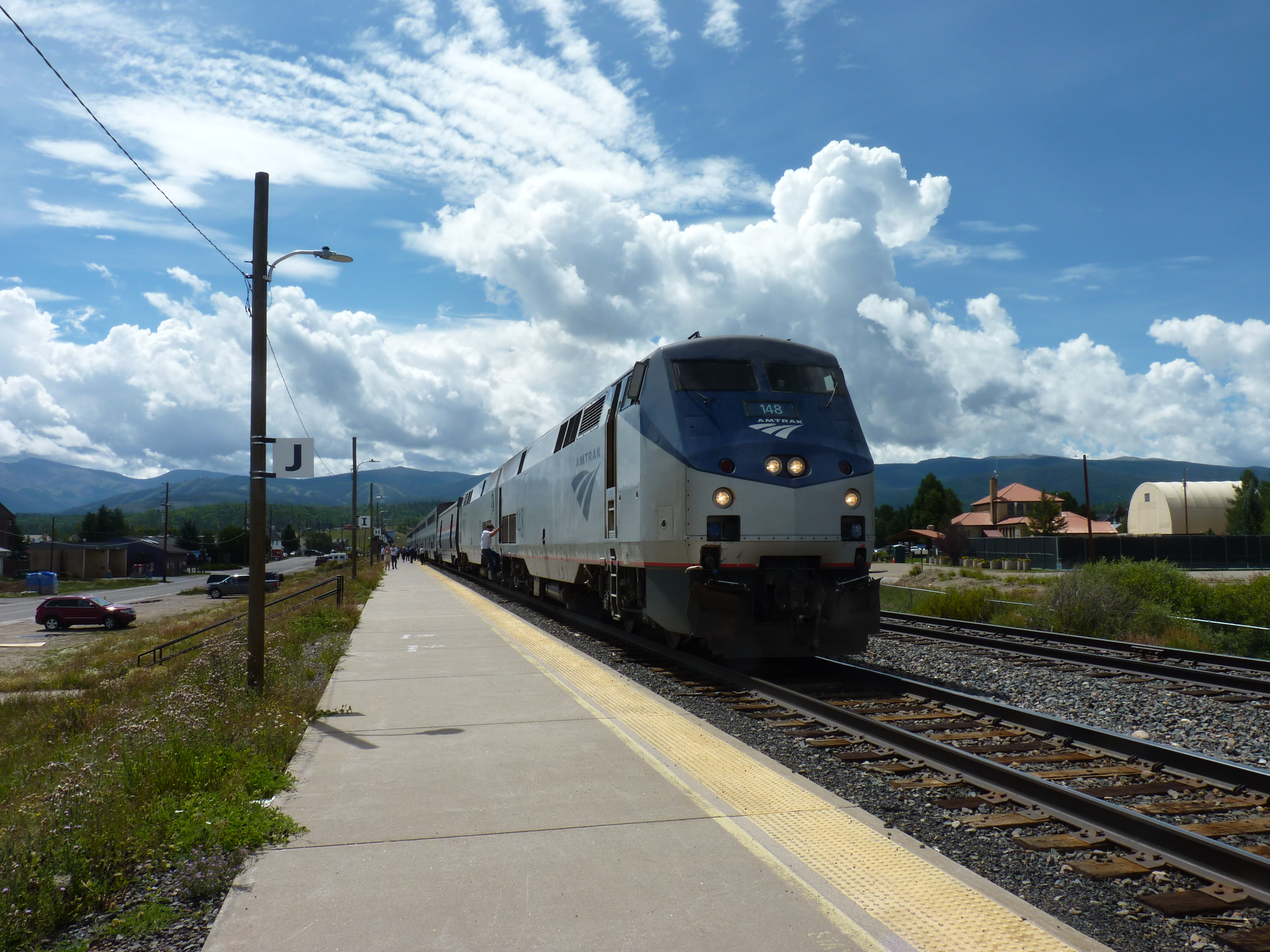
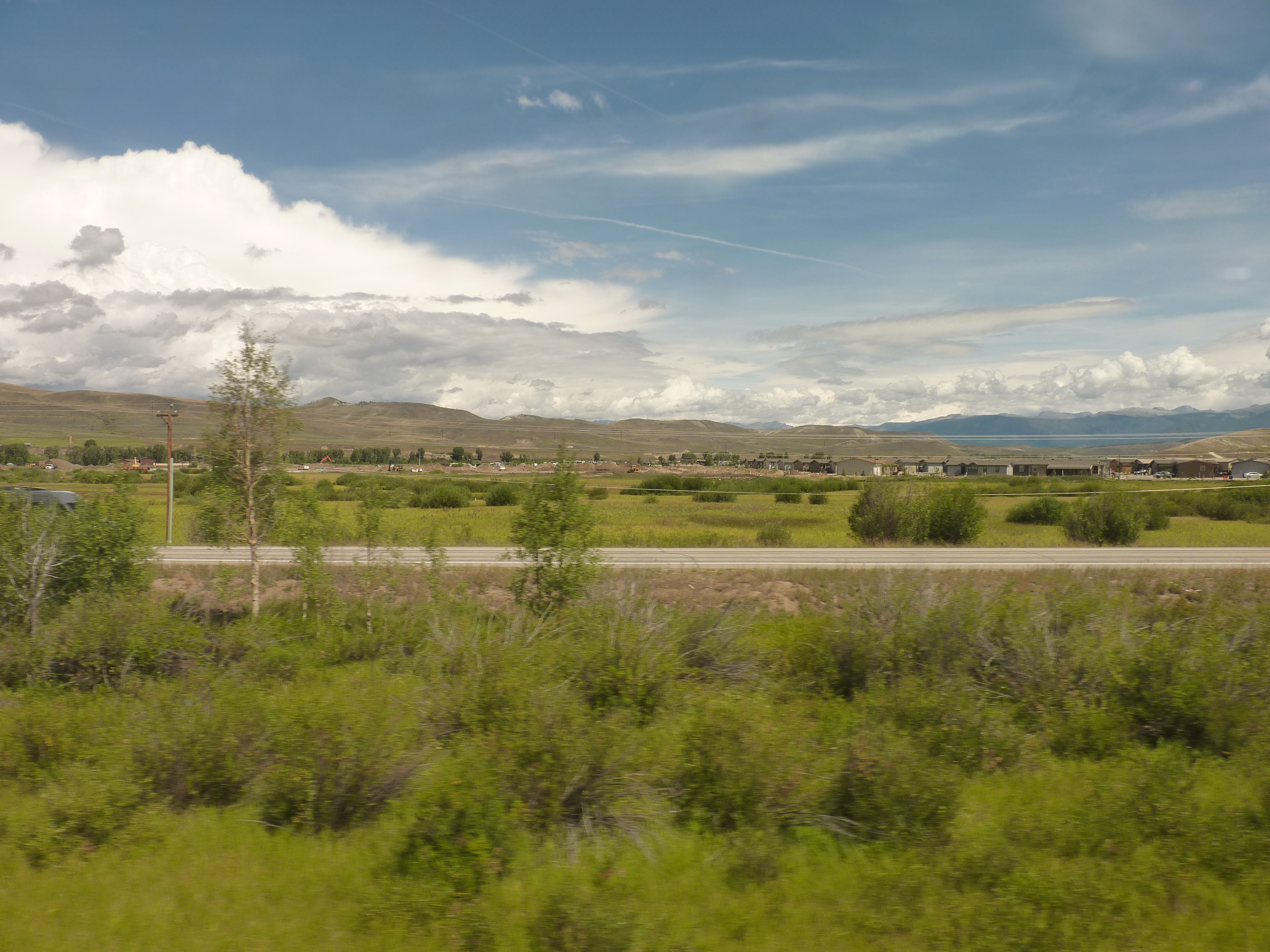
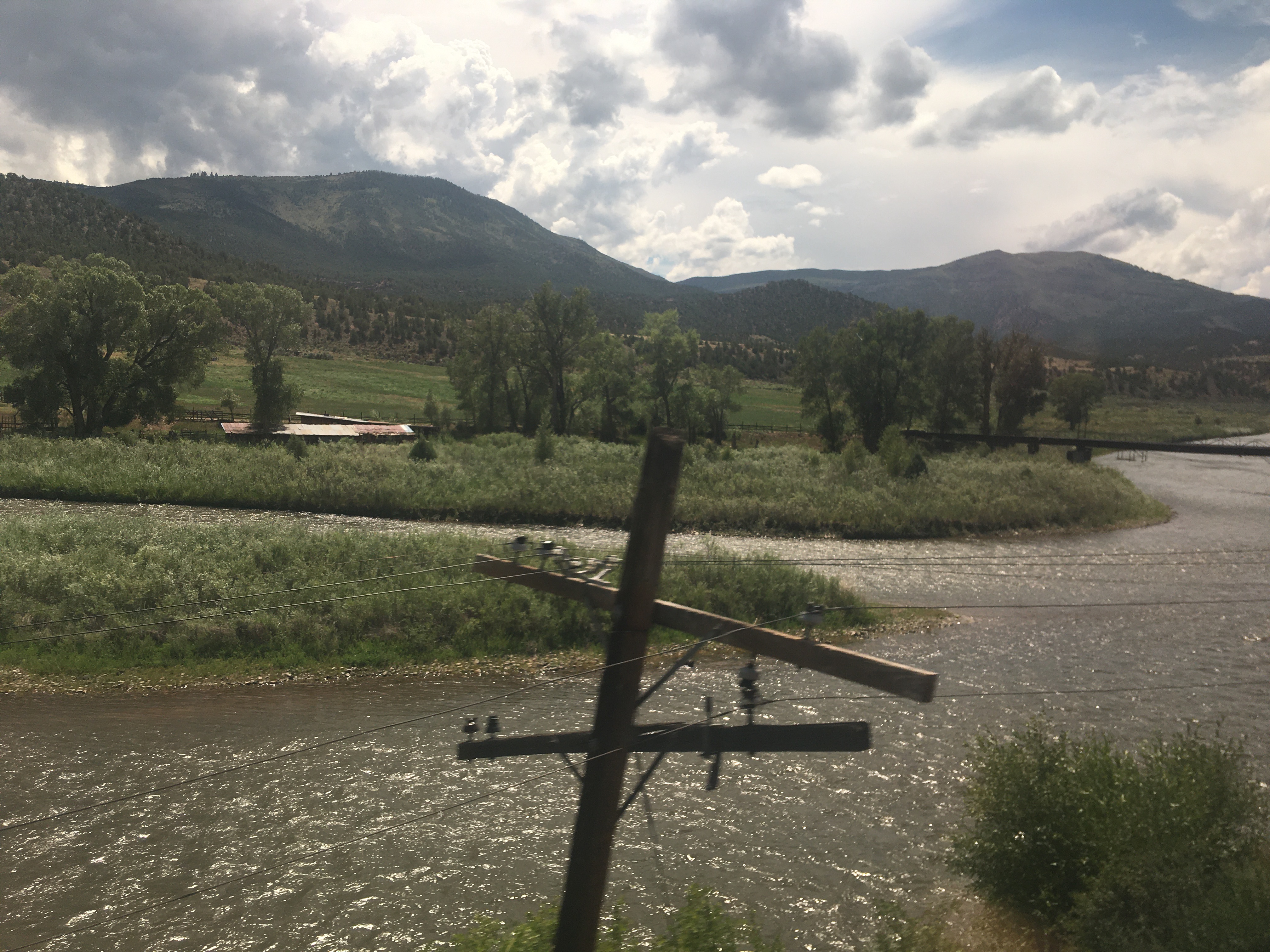
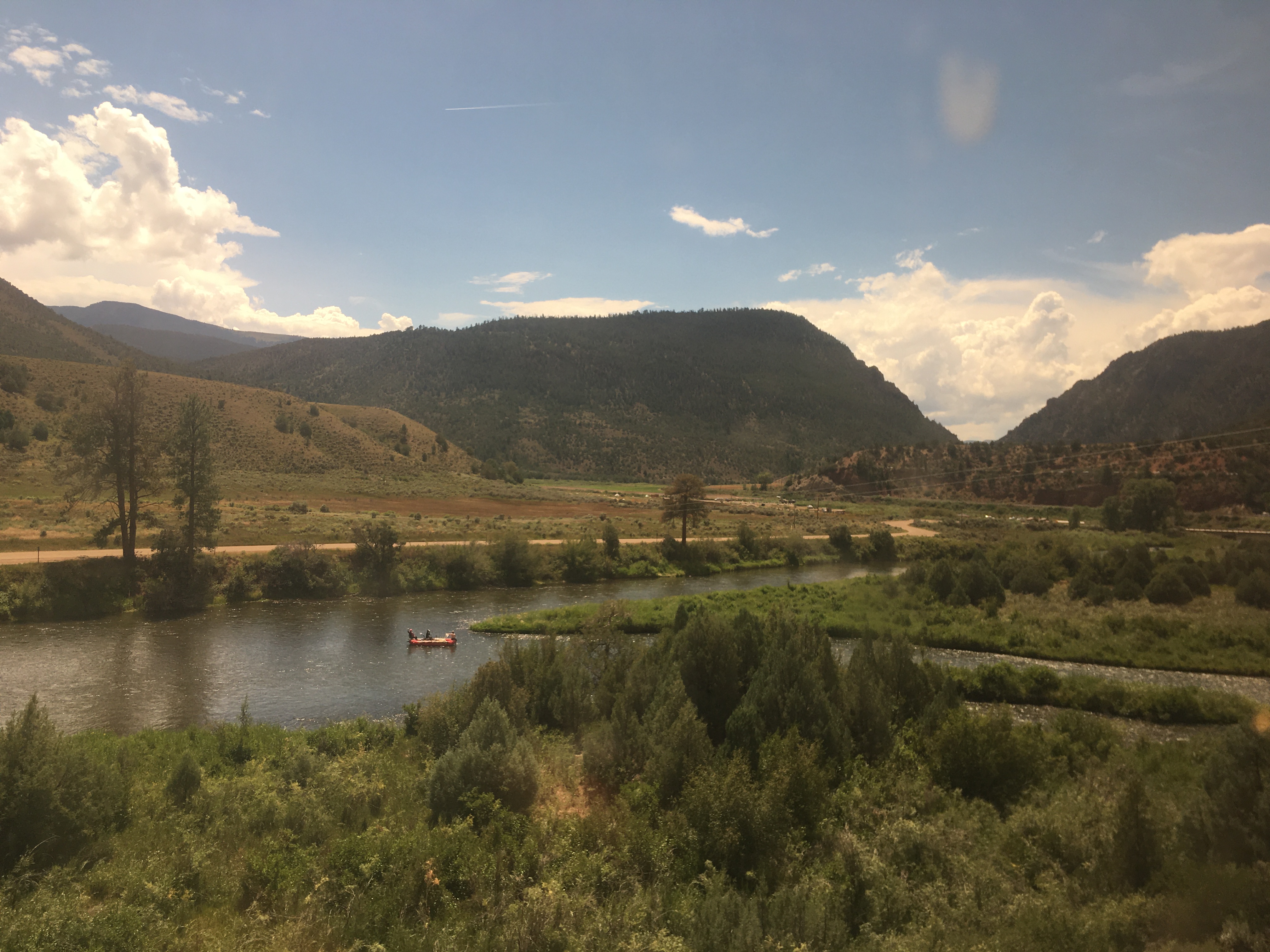
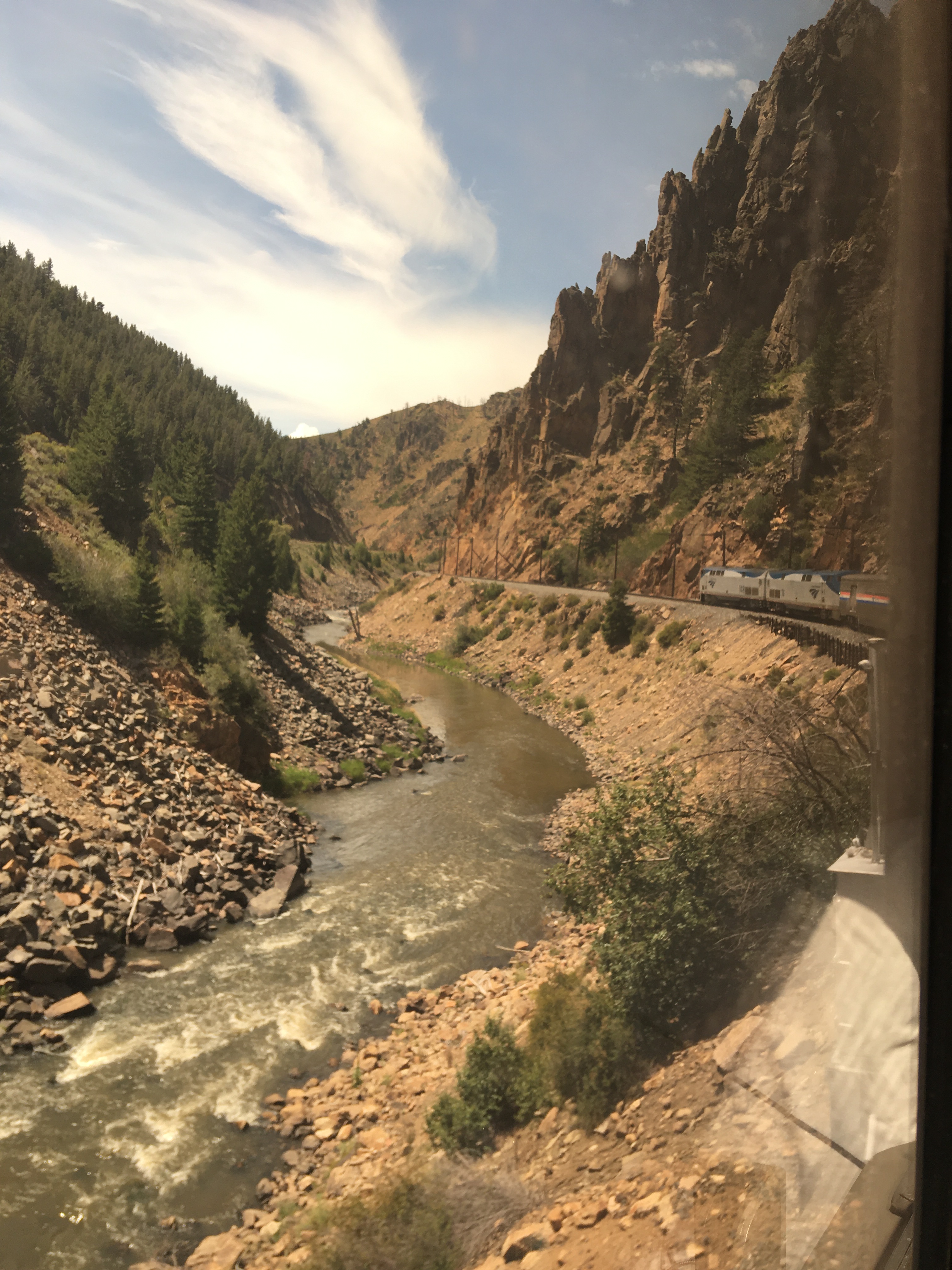

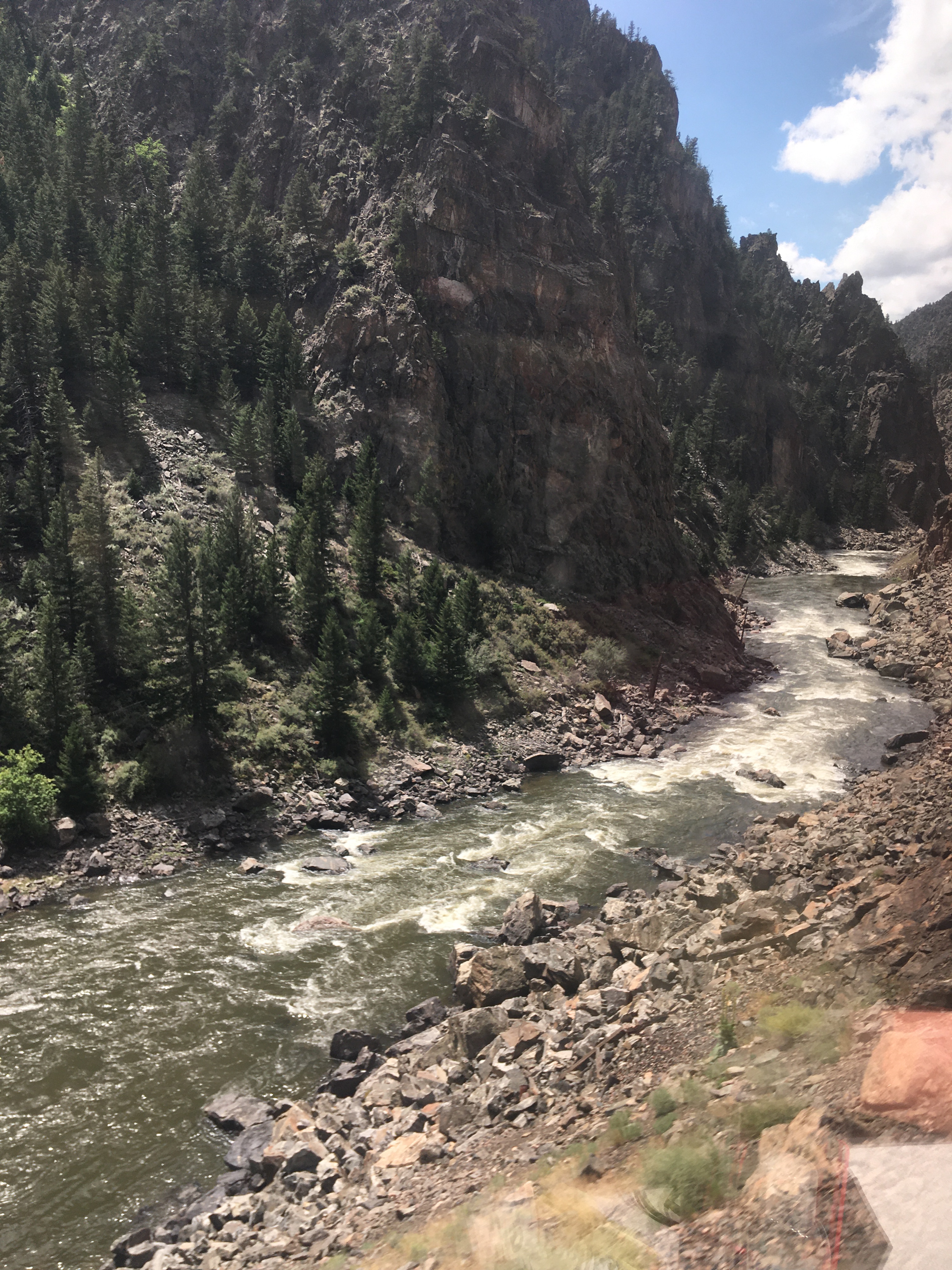
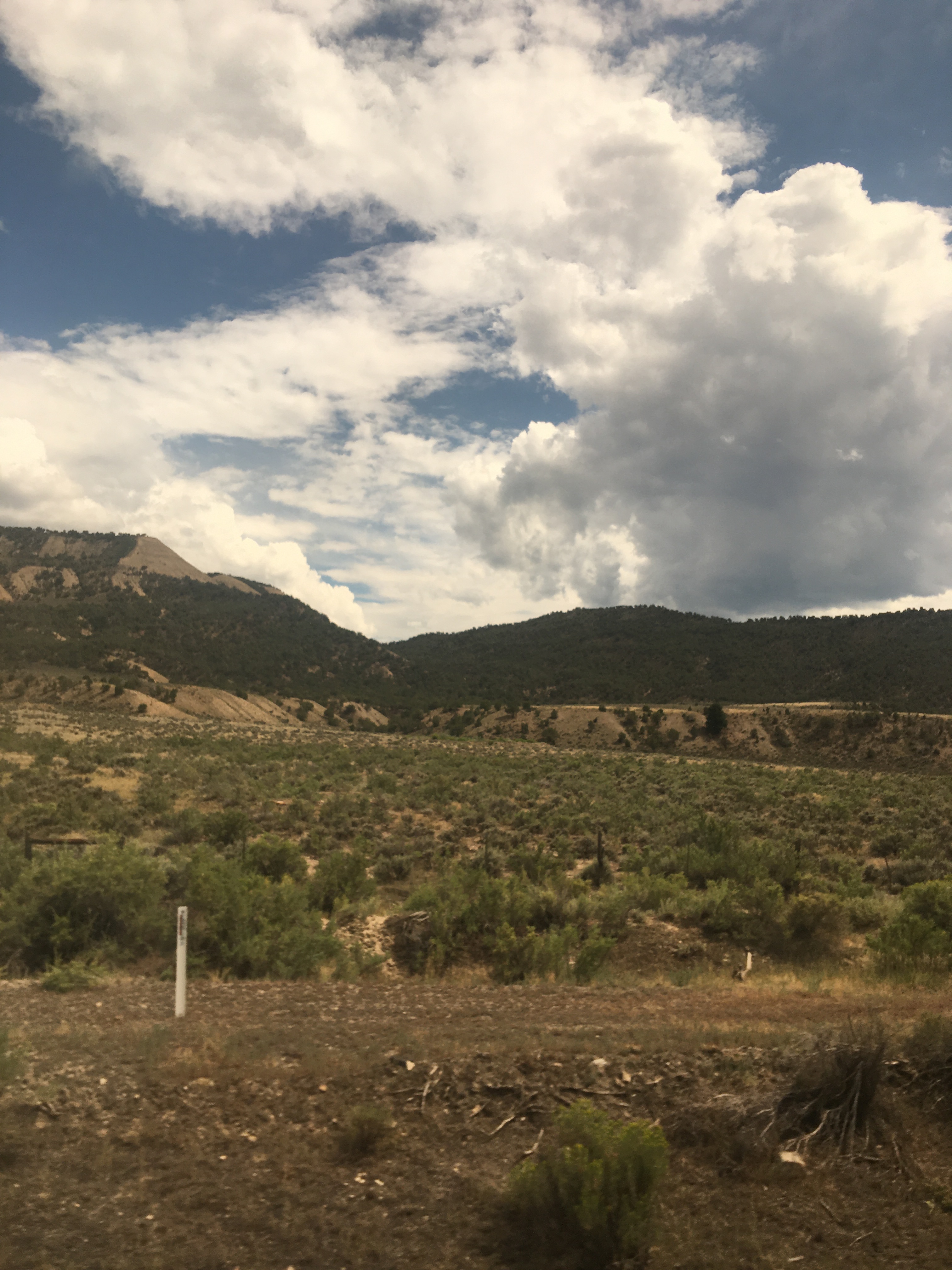
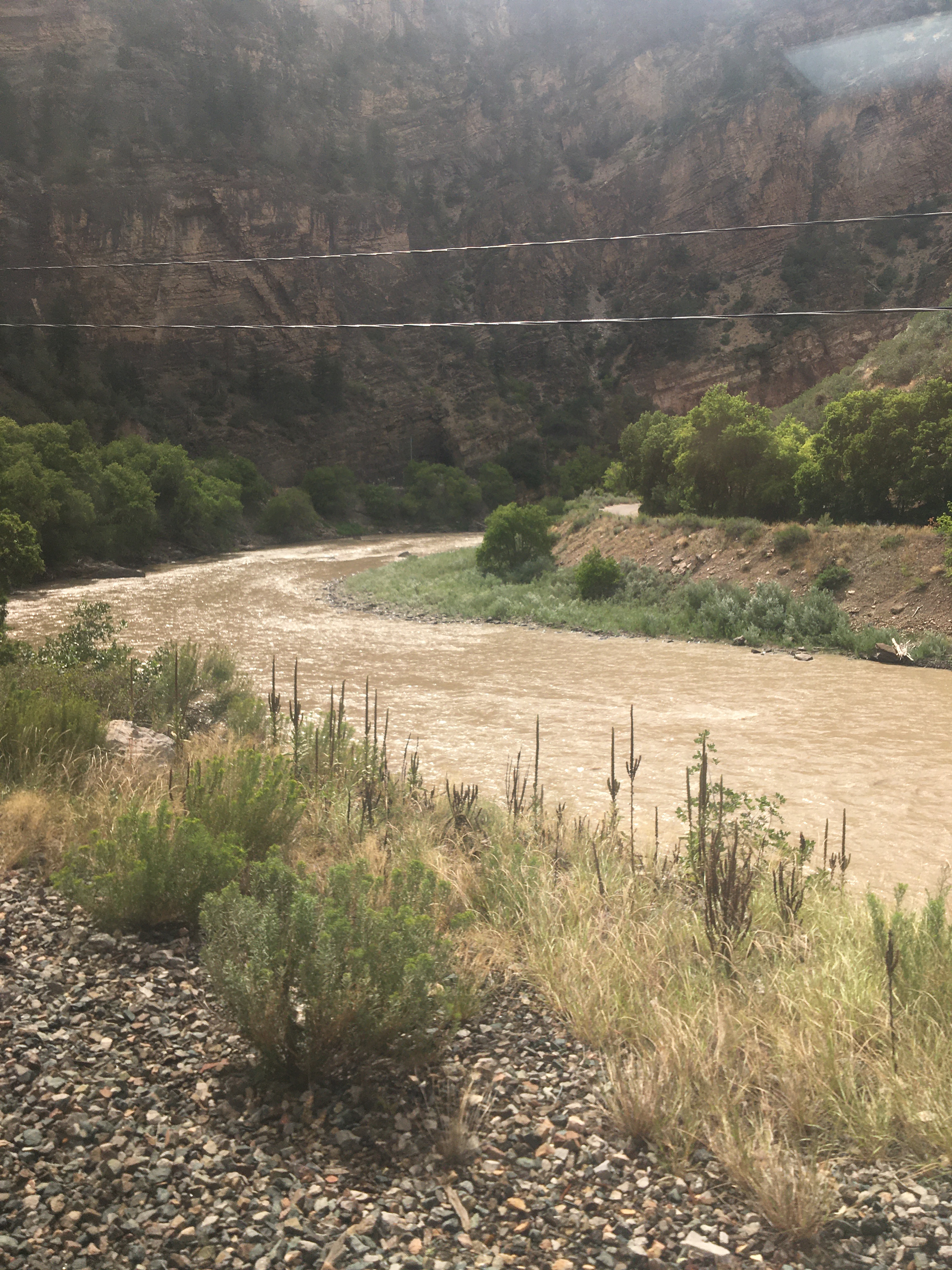
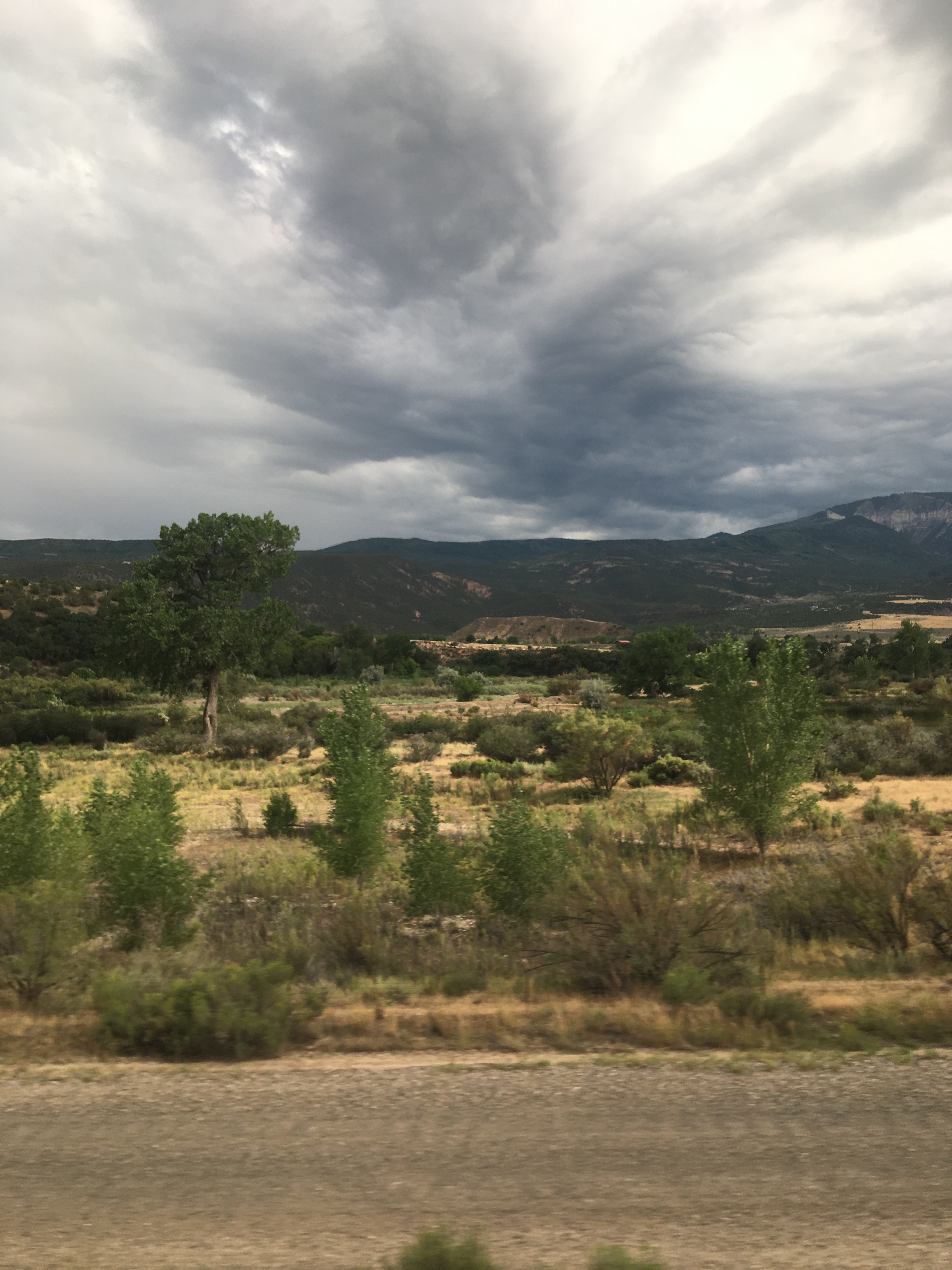
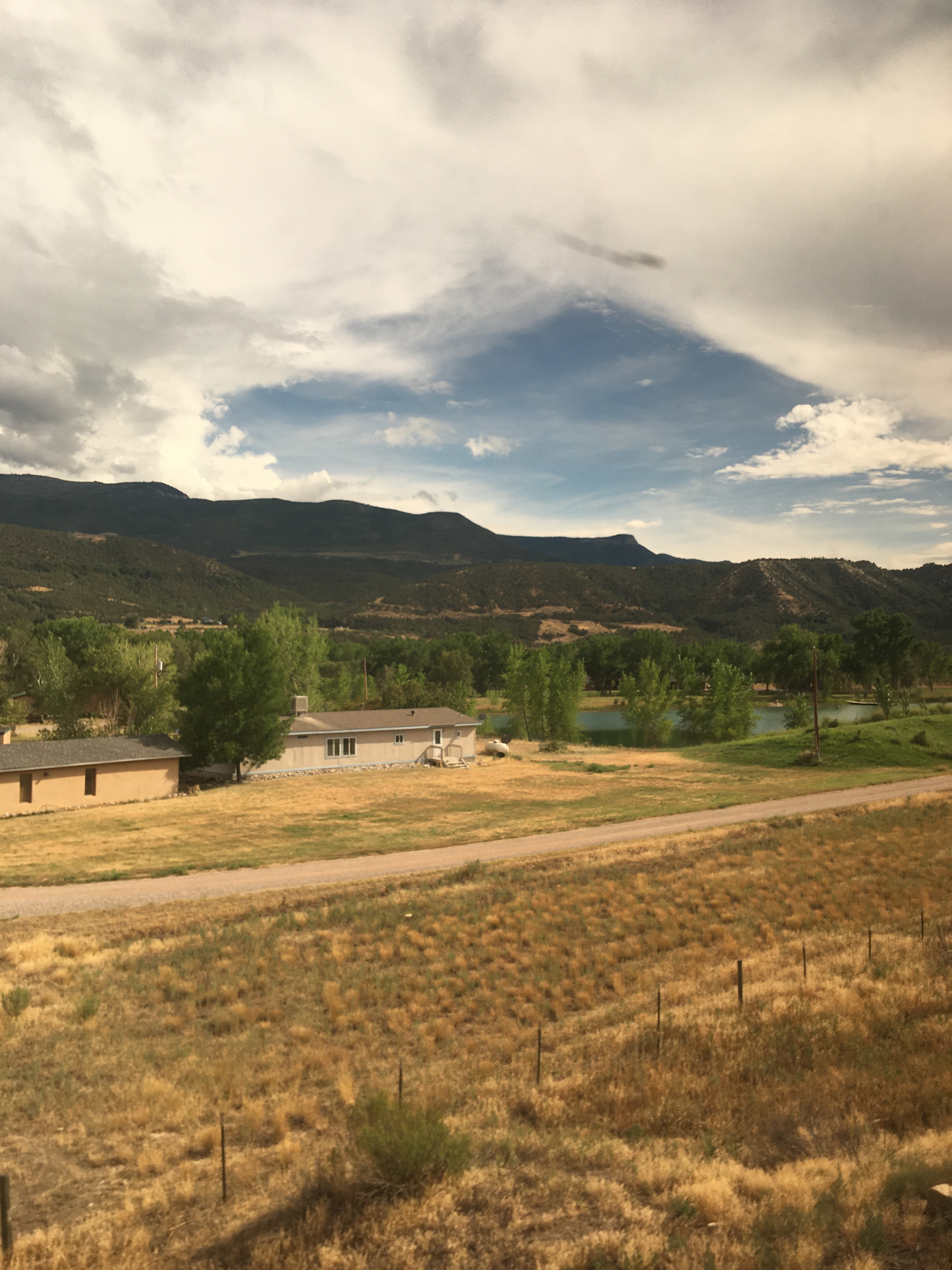
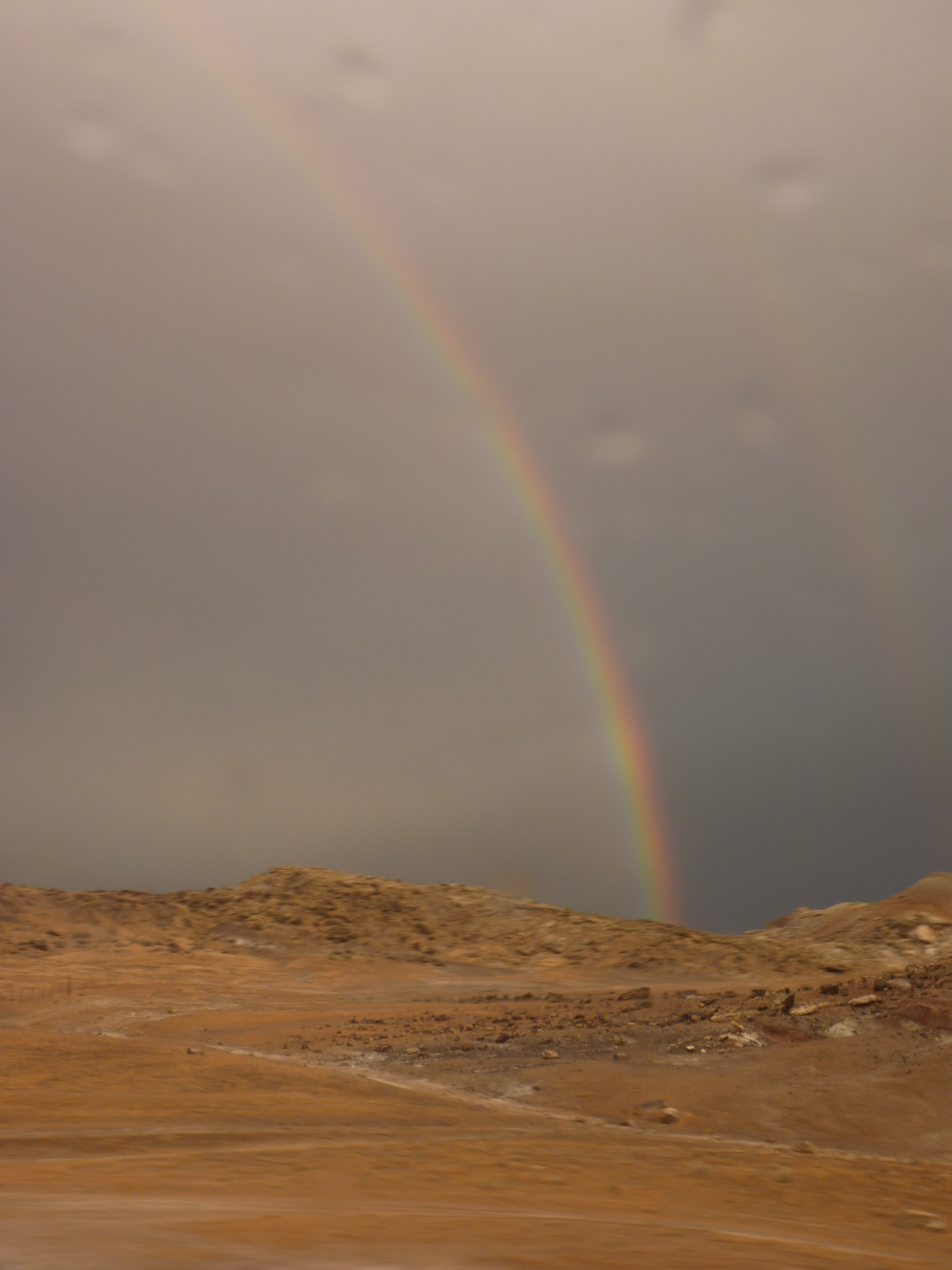
Unfortunately, it was at this point that we began to receive worrying news from the train crew about the rest of our journey. They told us that bad weather had made parts of the line in the Sierra Nevada impassable during the night. We were also told that we would have to transfer to buses to catch the eastbound Zephyr who would return to Emryville in the evening or be bussed to San Francisco. Information meandered back and forth, estimated travel times grew longer and longer, and later that day we found ourselves in Green River, Utah, with no further information.
Fortunately, this wasn’t the case, and we were able to continue on our westbound train, arriving in Emeryville, California, with only a six-hour delay, to catch the bus to San Francisco.
I realise it must have been difficult for Amtrak to sort things out as you can’t just reroute trains on the thin network in the west and finding enough buses for so many passengers was also a big task, but their communication was abysmal. Also, the train crew got more and more tense during tha day and that rubbed off on. Standing in a deserted train station of a tiny town in Utah late in the evenning with no information apart from the cheerfull message on the Amtrak app that the trip was completely cancelled unnerved everyone.
Salt Lake City, UT to Emeryville, CA
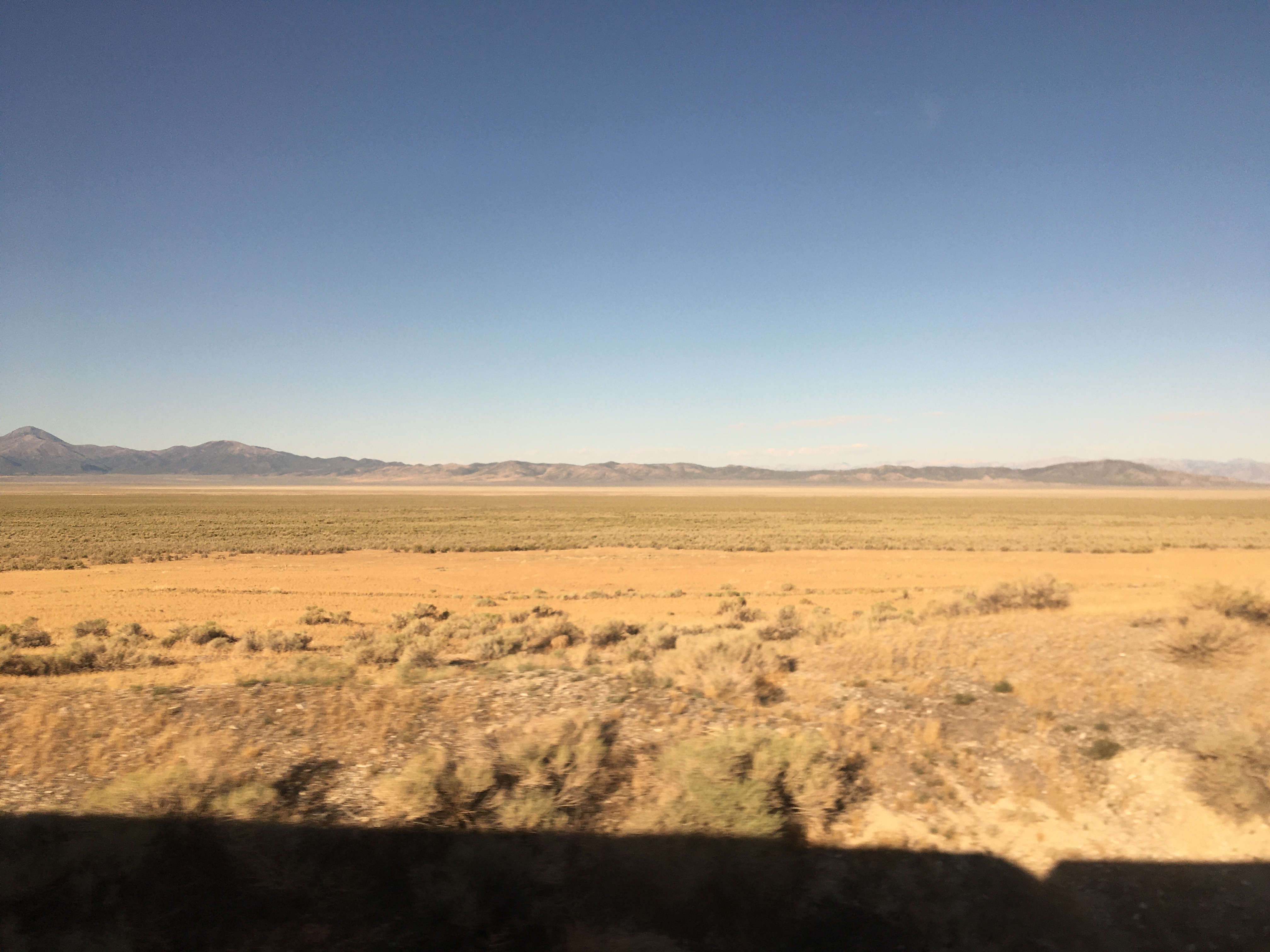
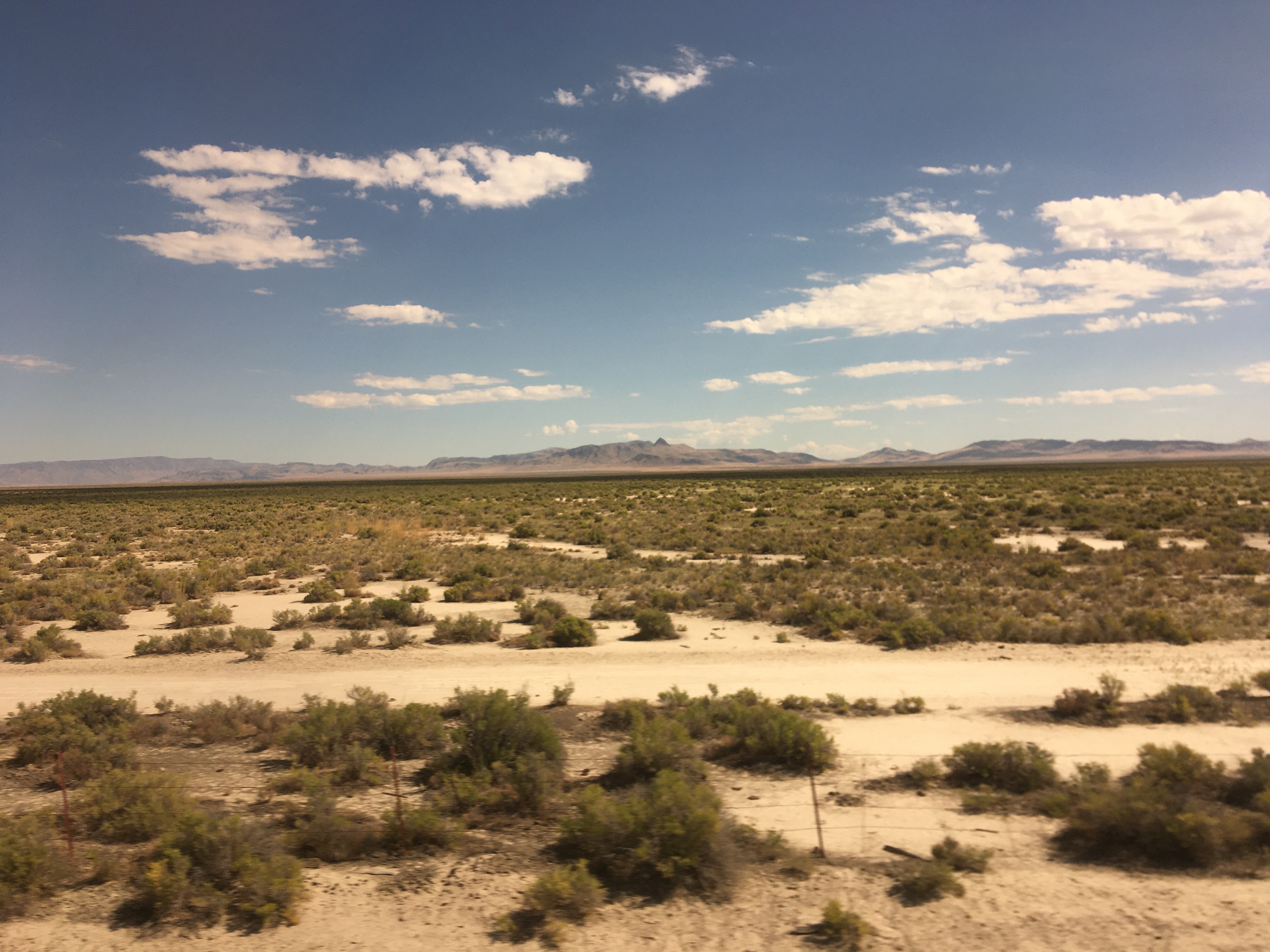
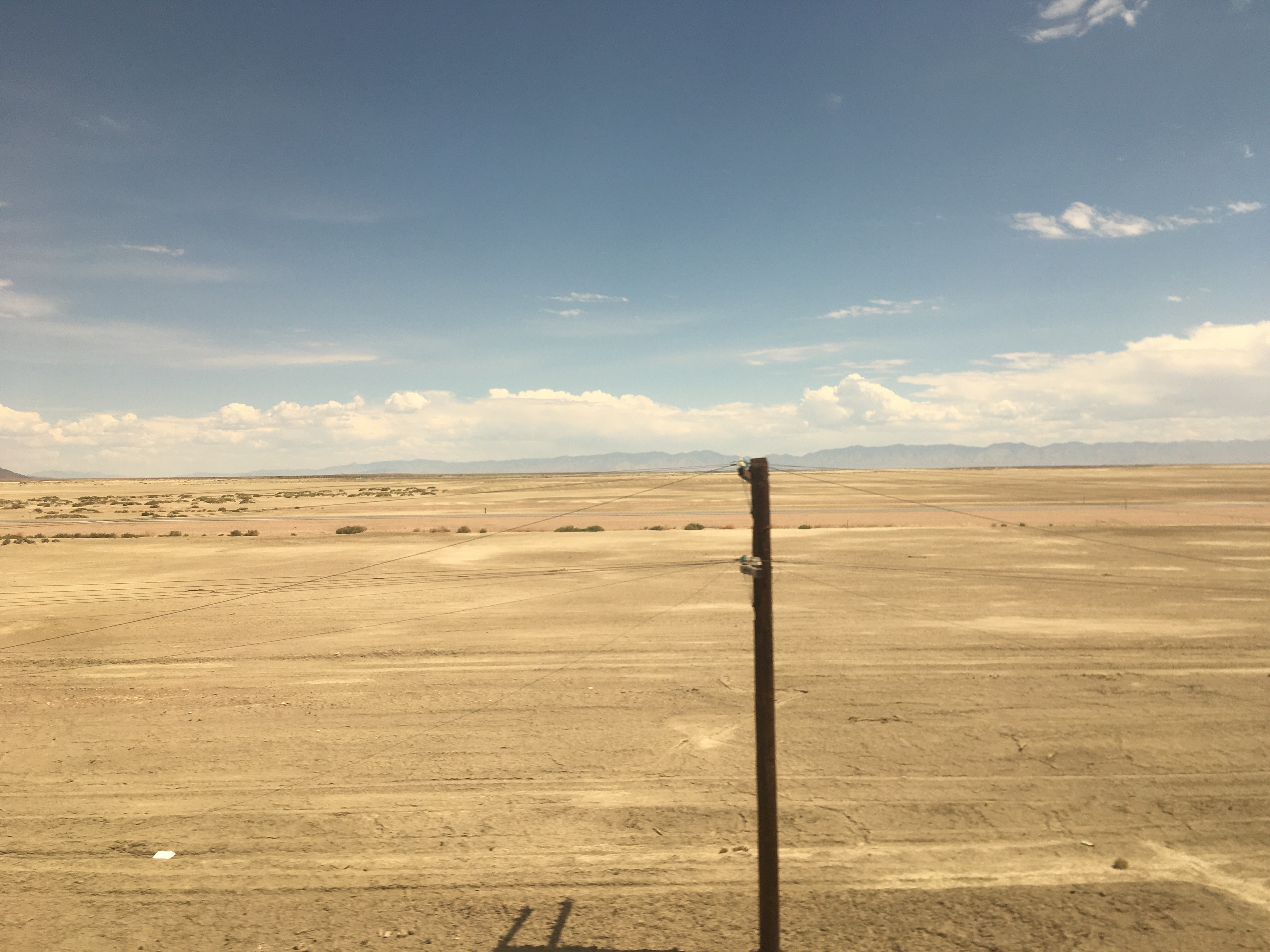
The extended delay also threw the whole schedule off the rails, yet we strongly felt that this worked to our advantage as we were treated to a surreal morning on the Great Salt Lake…
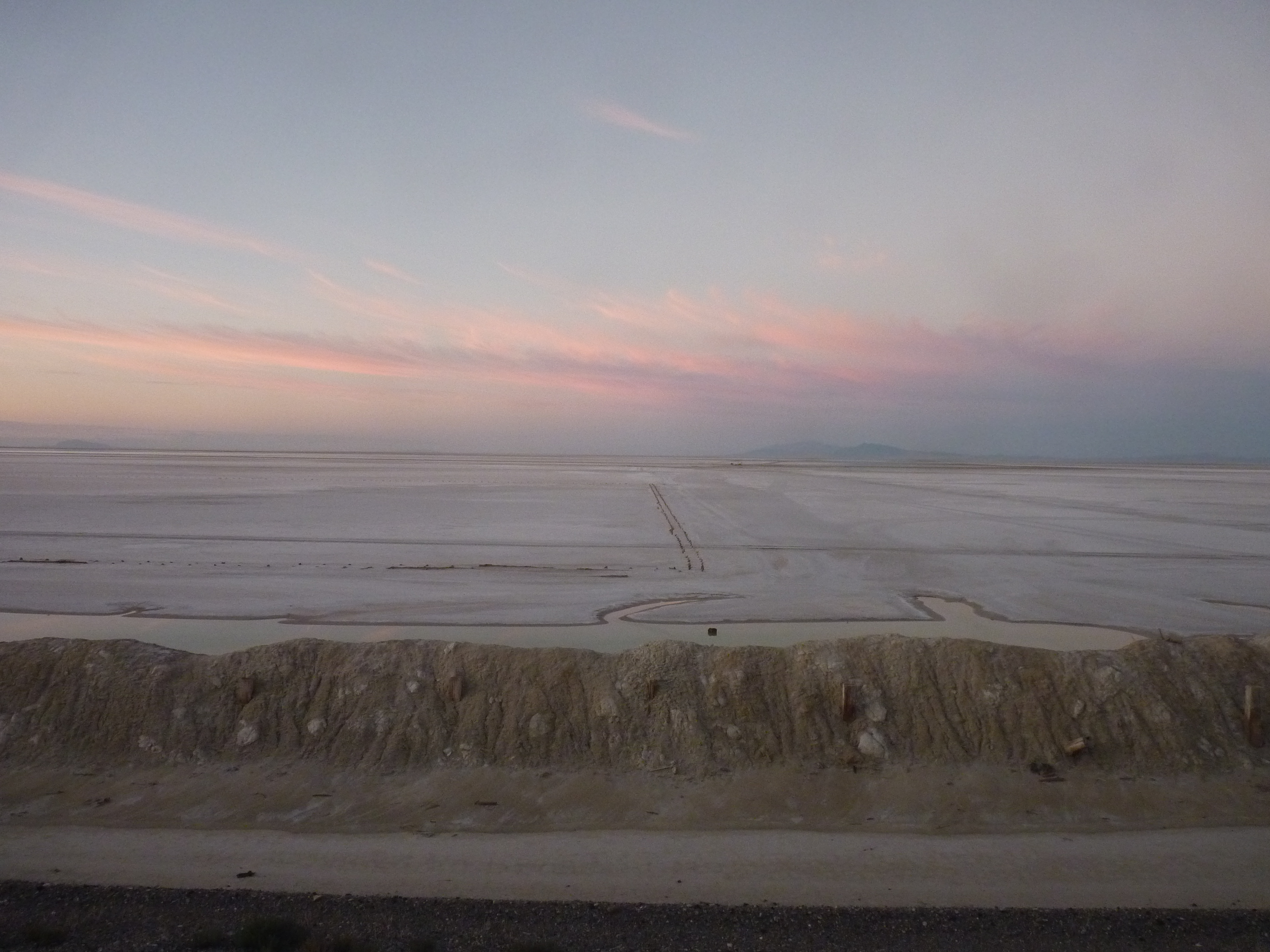
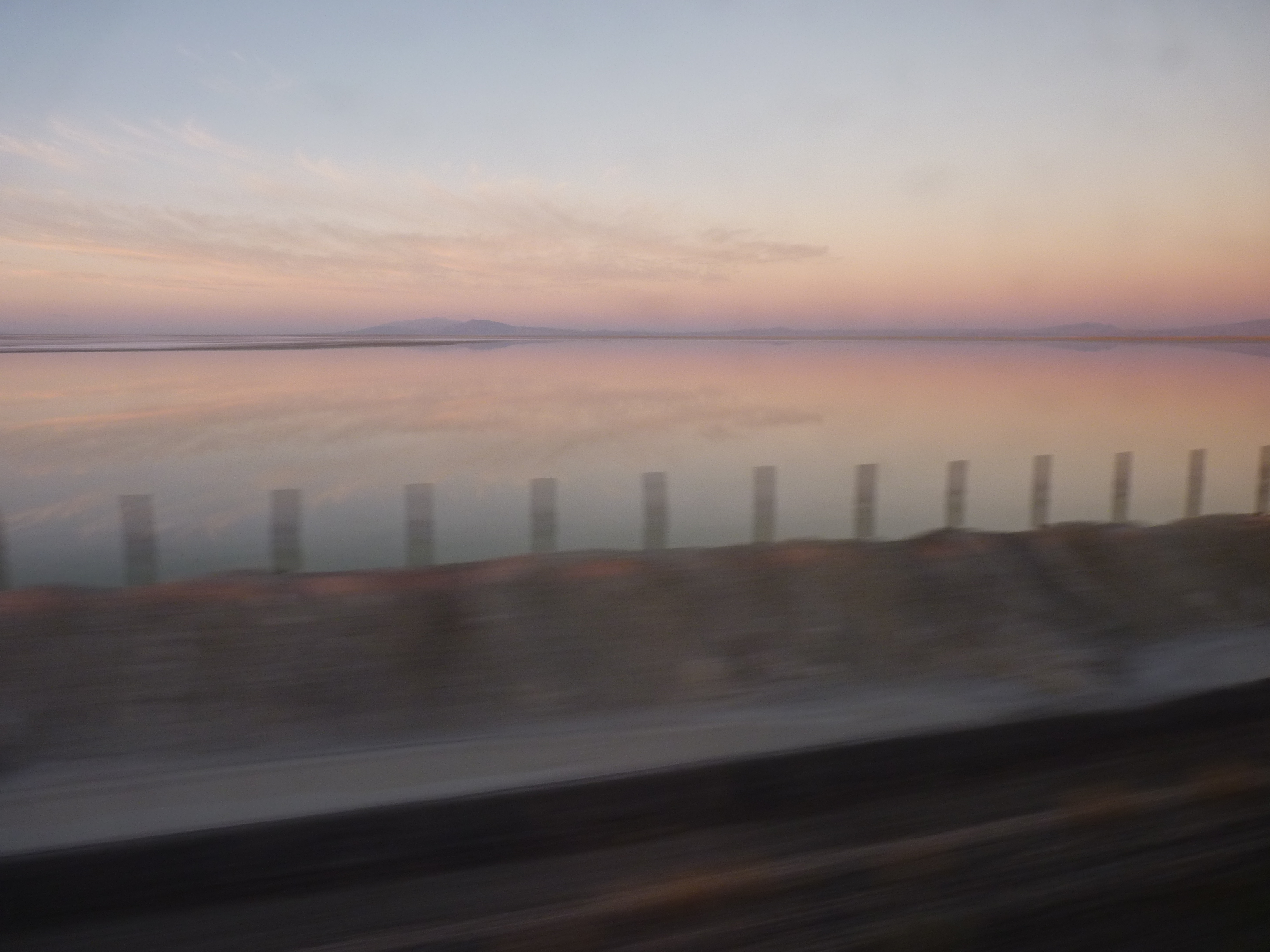
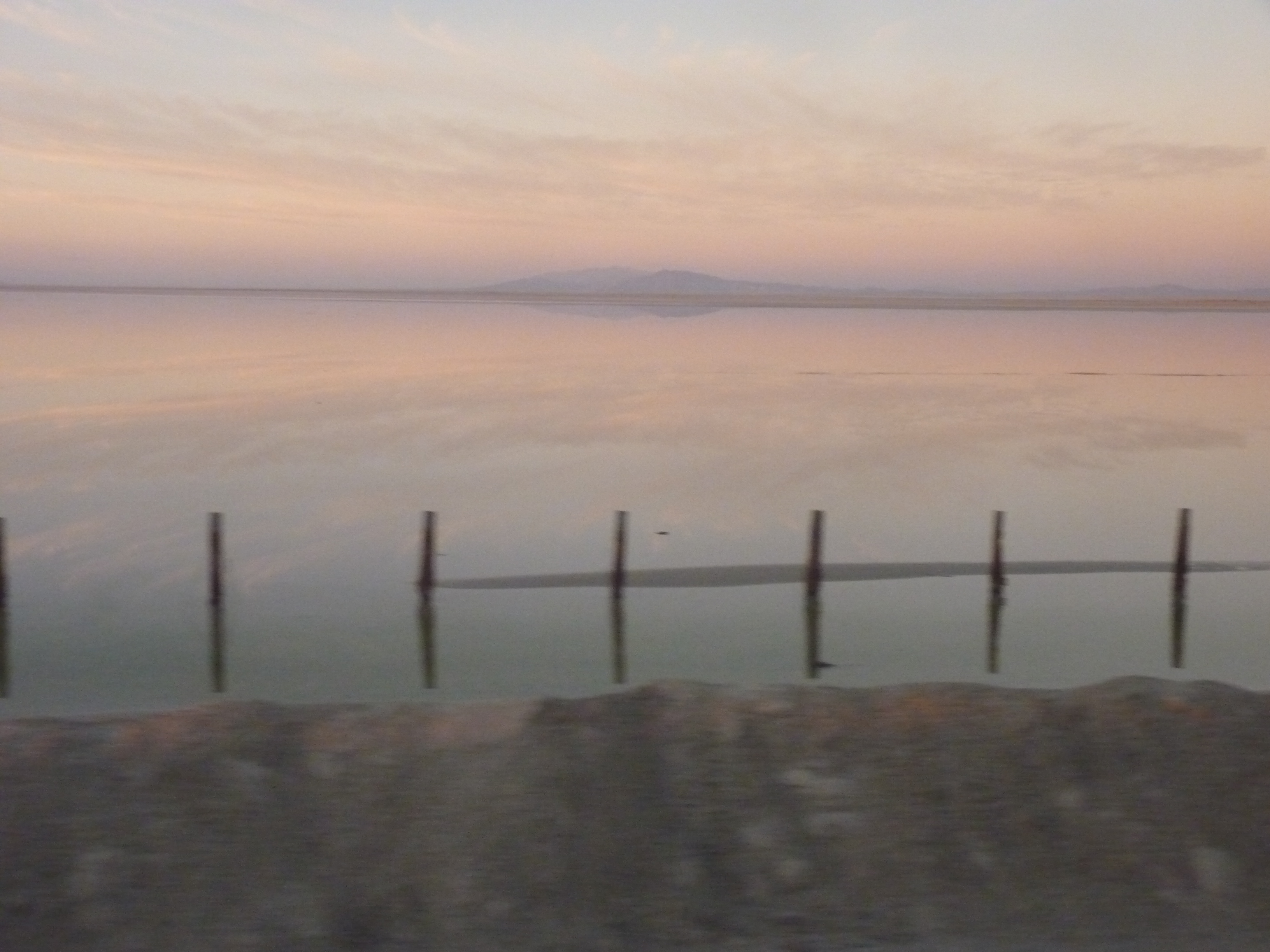

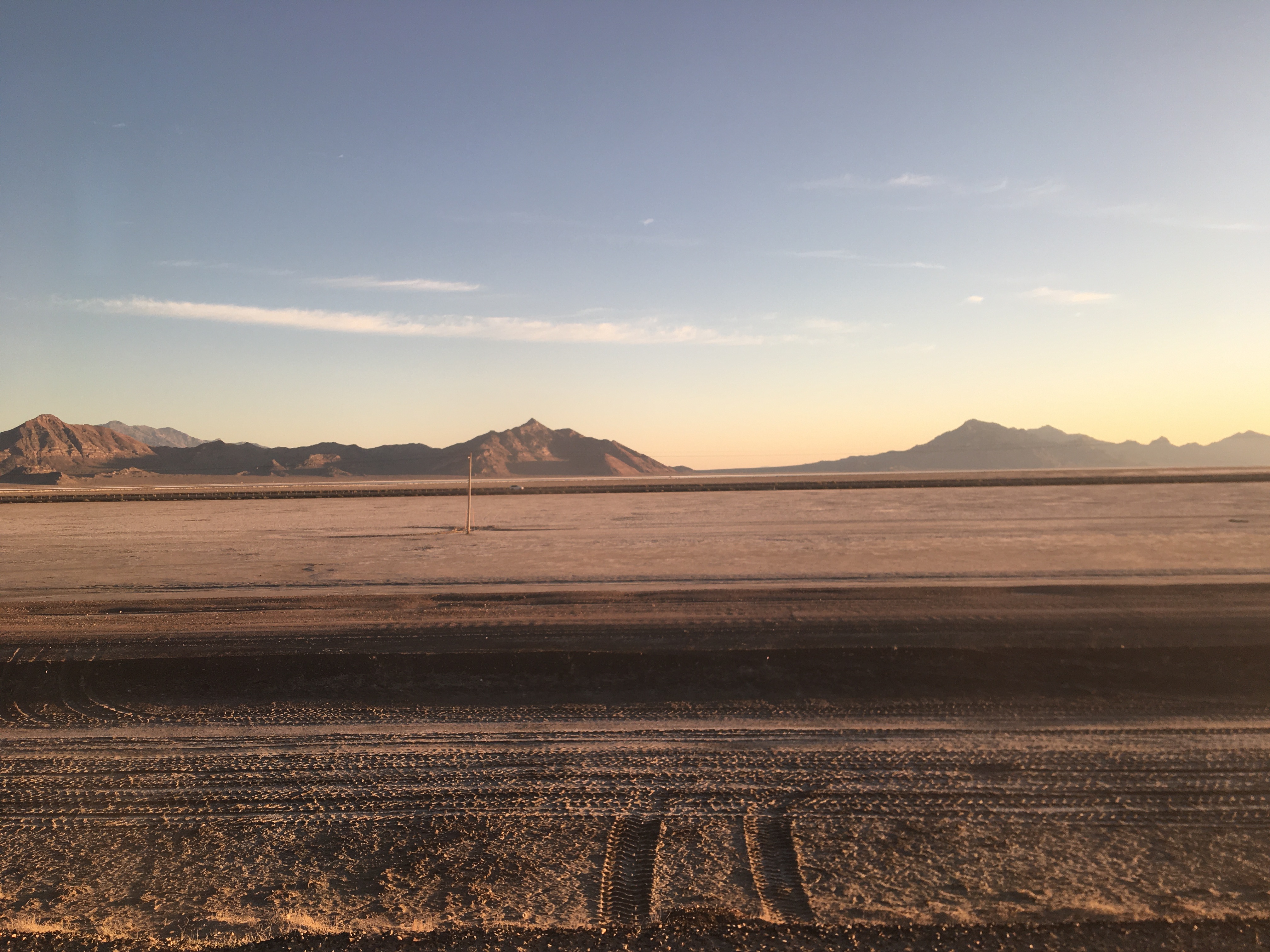
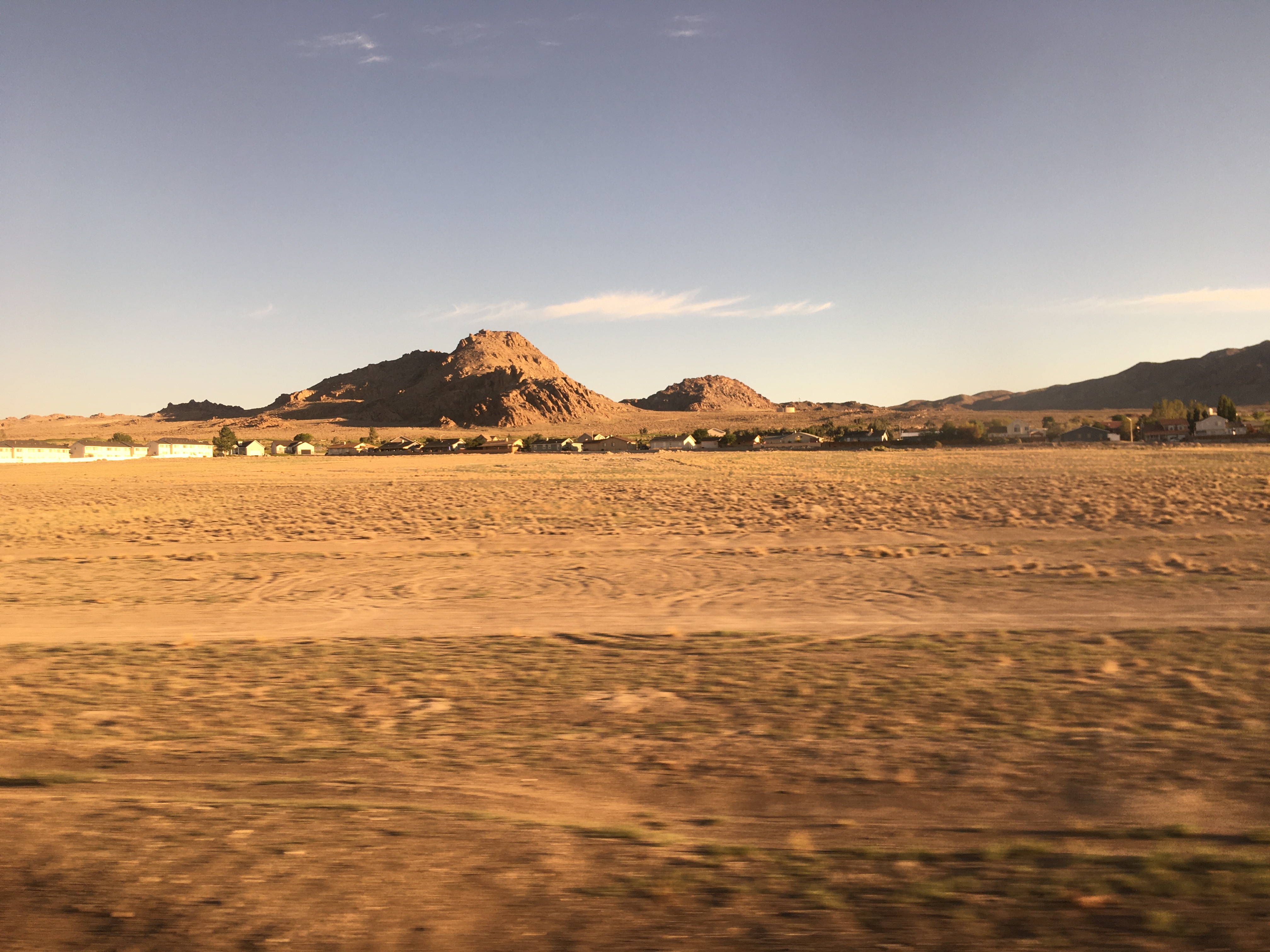
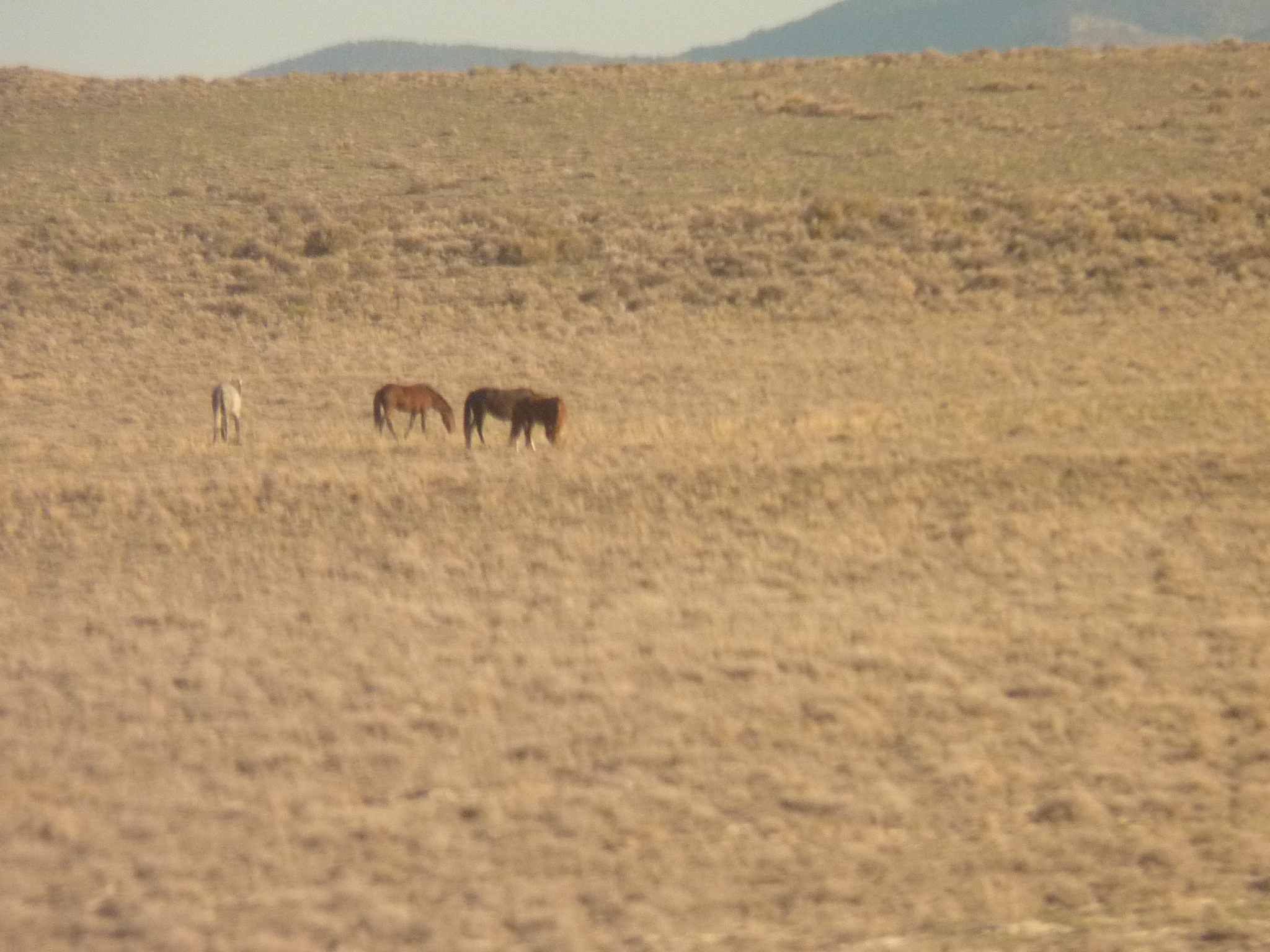
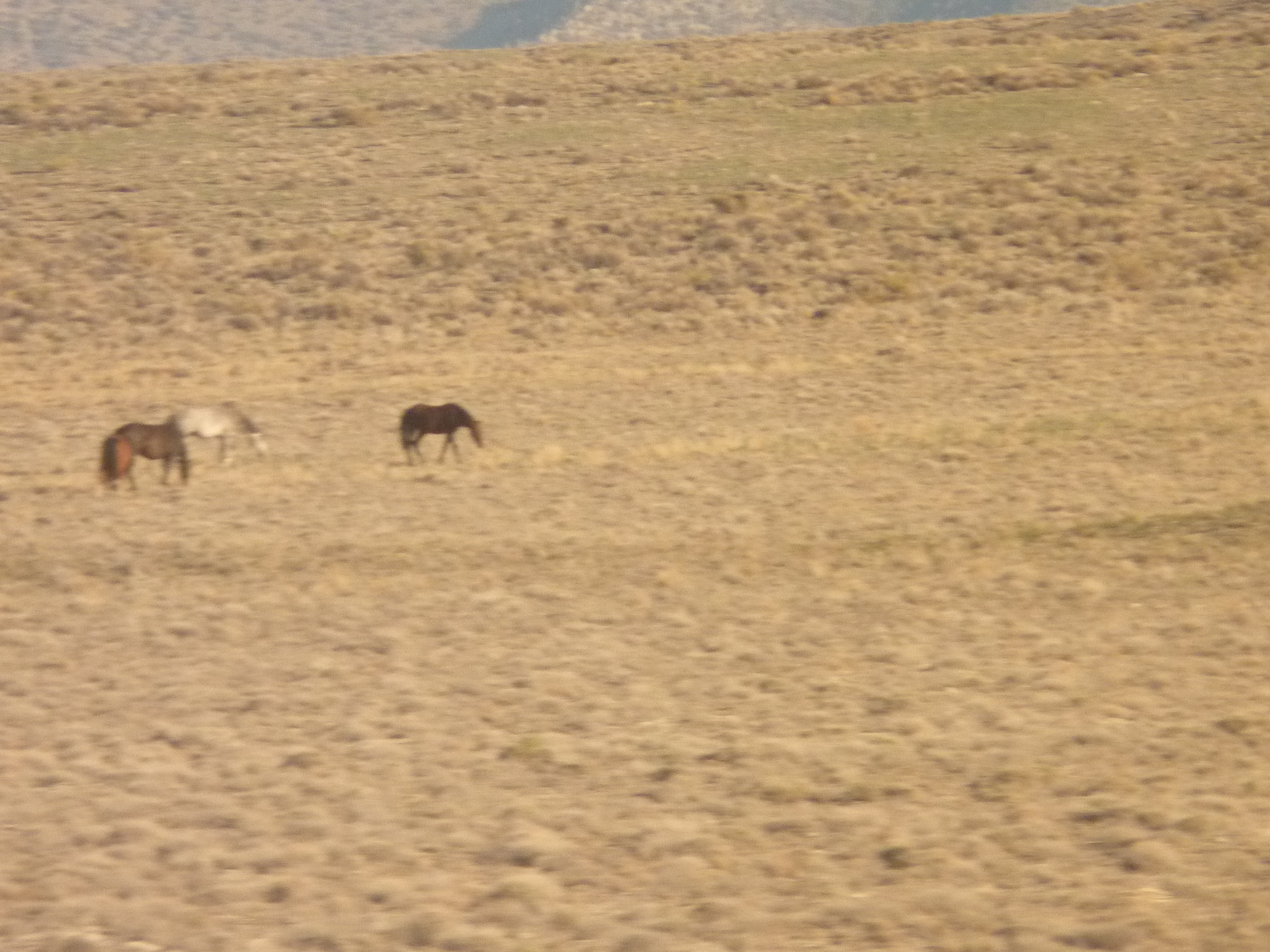
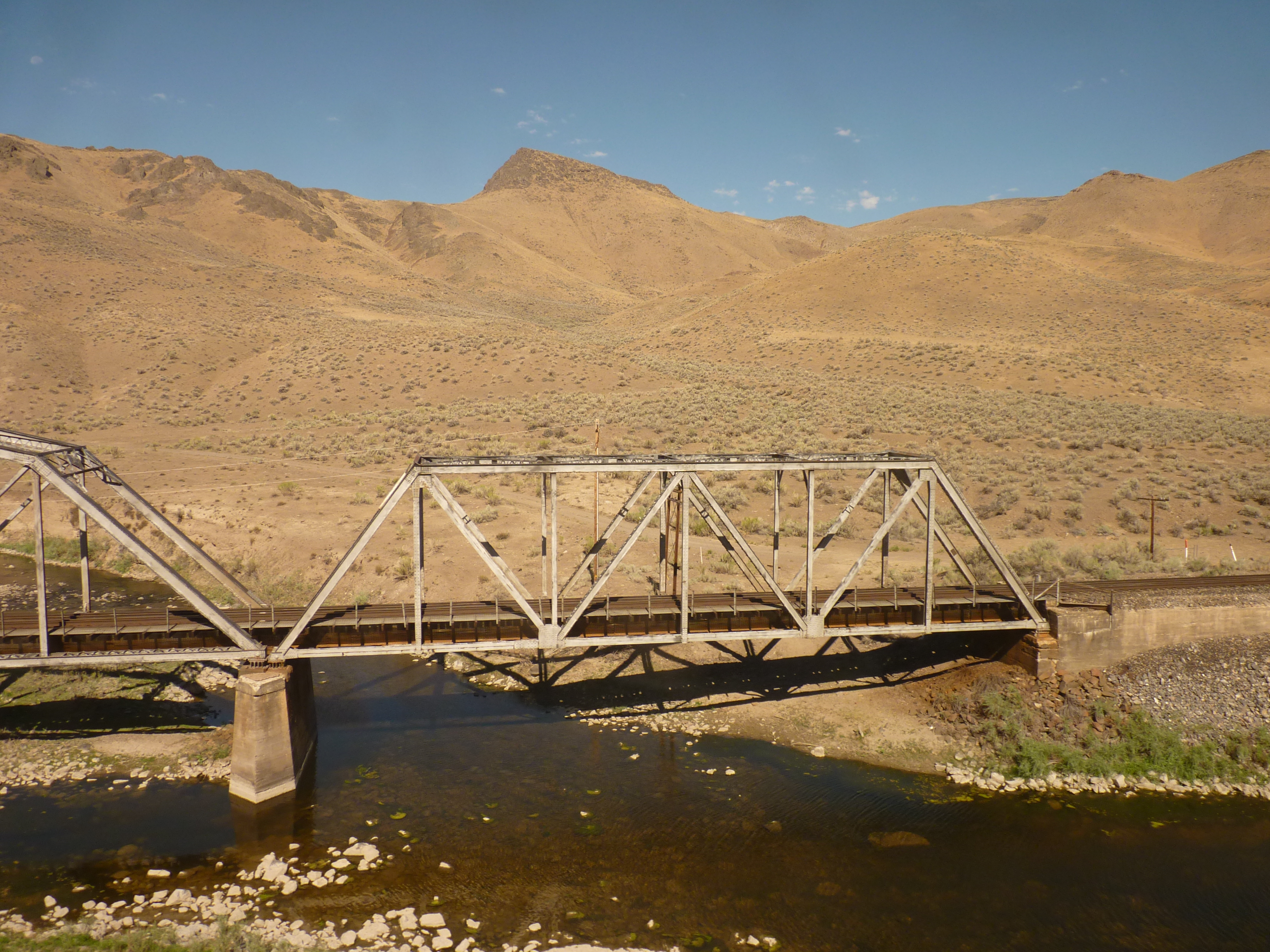
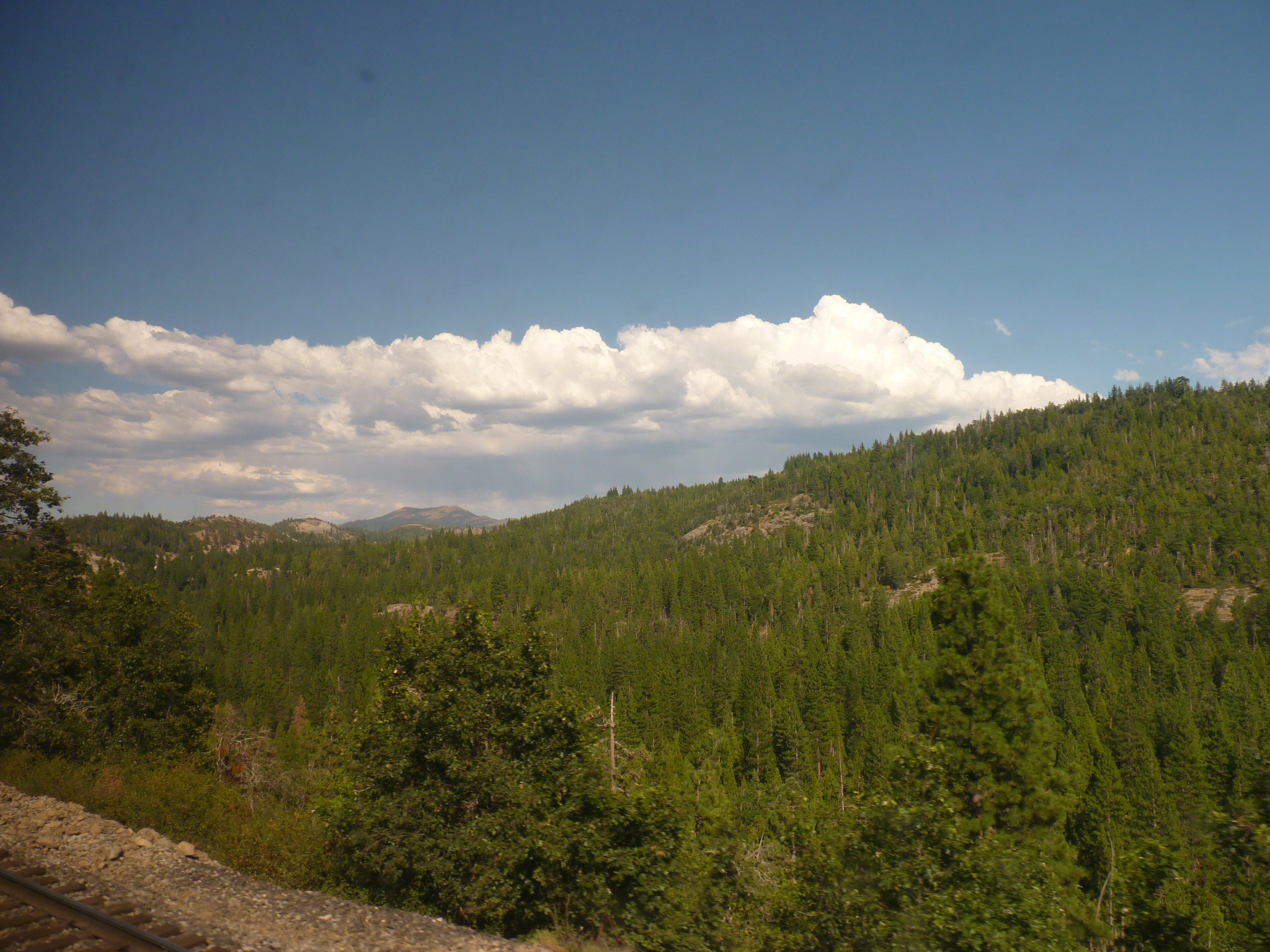
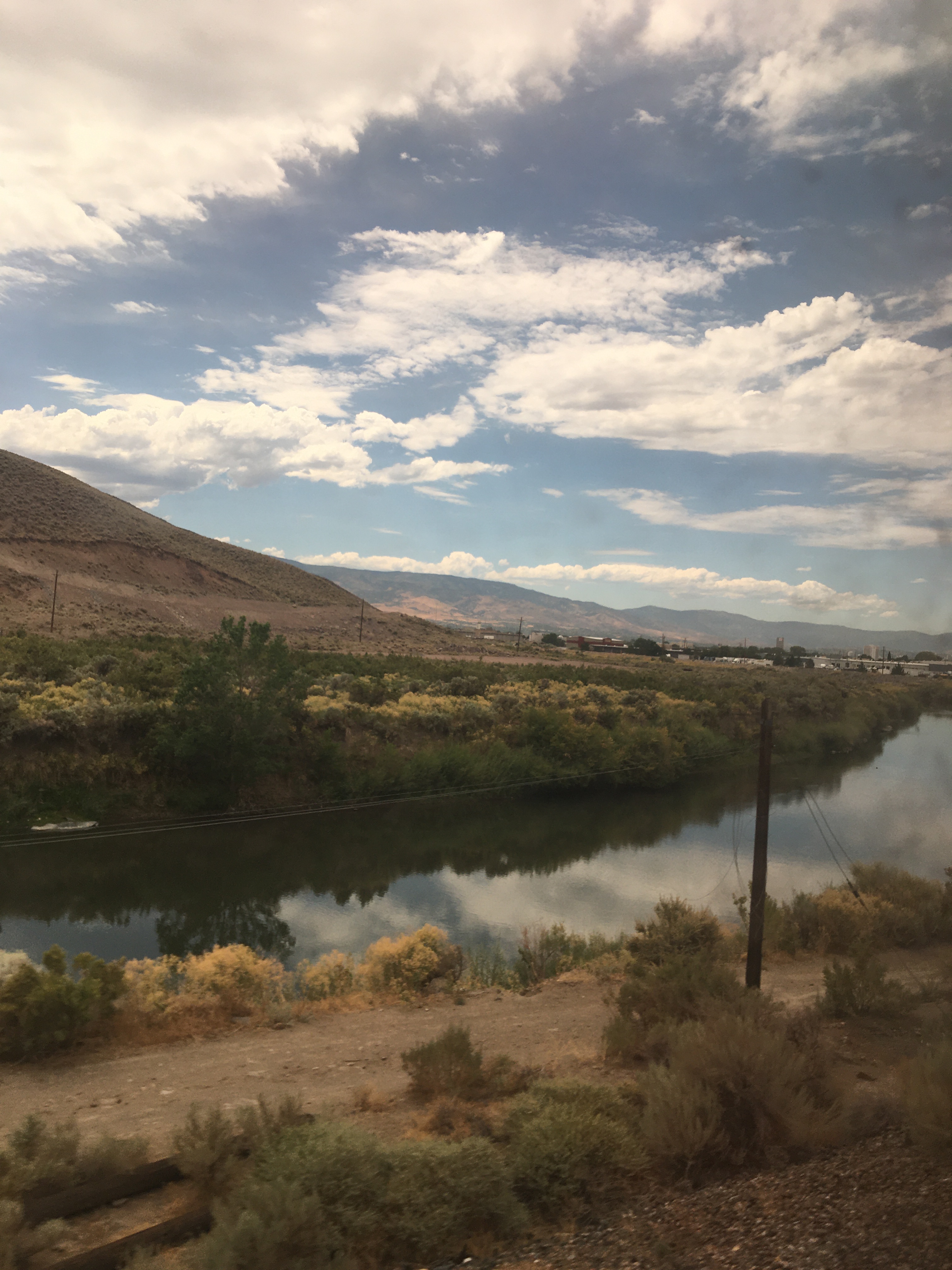
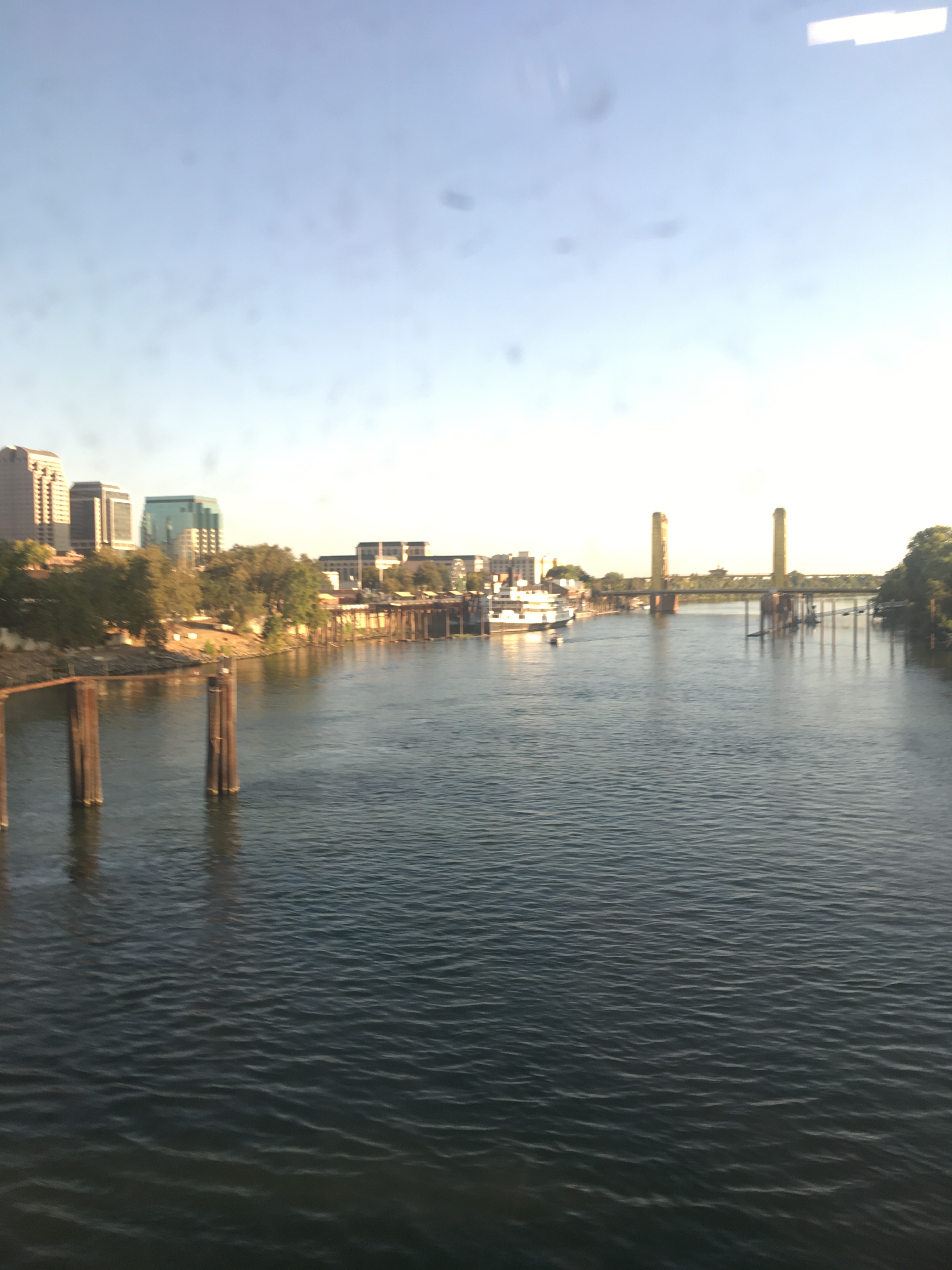
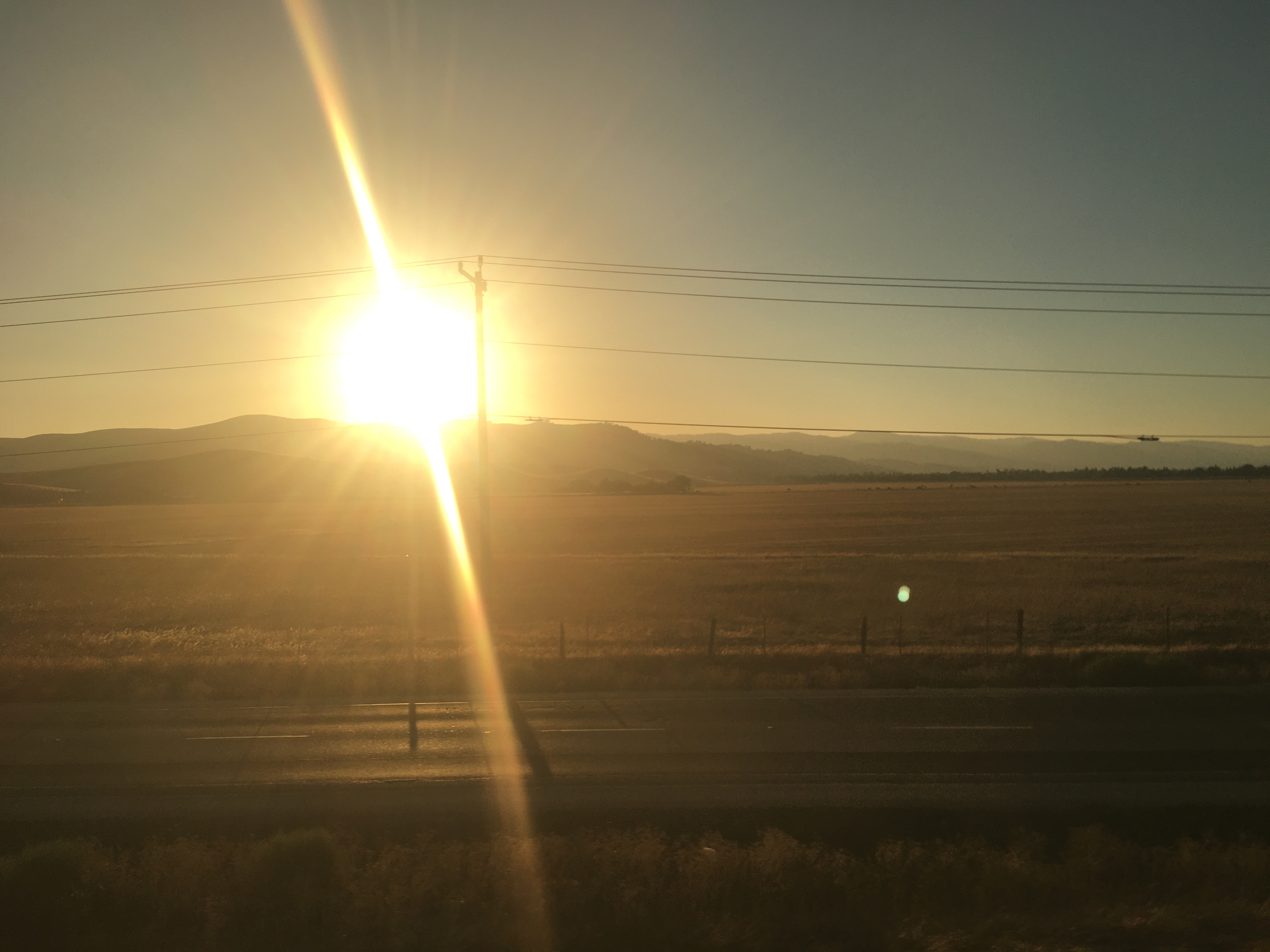
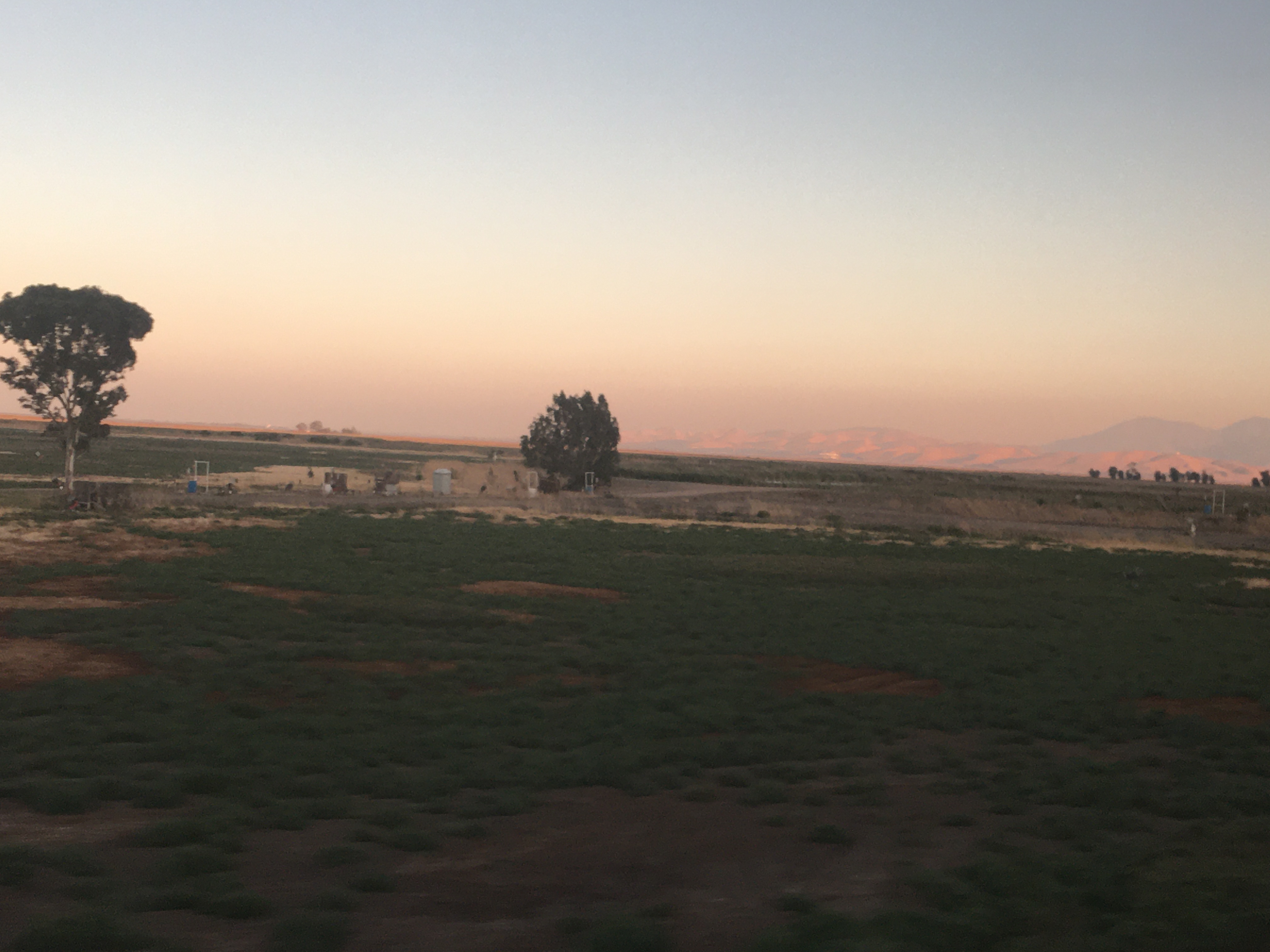
…and a magnificent crossing of the Sierra Nevada basking in glorious sunshine featureing eagles and wild mustangs:


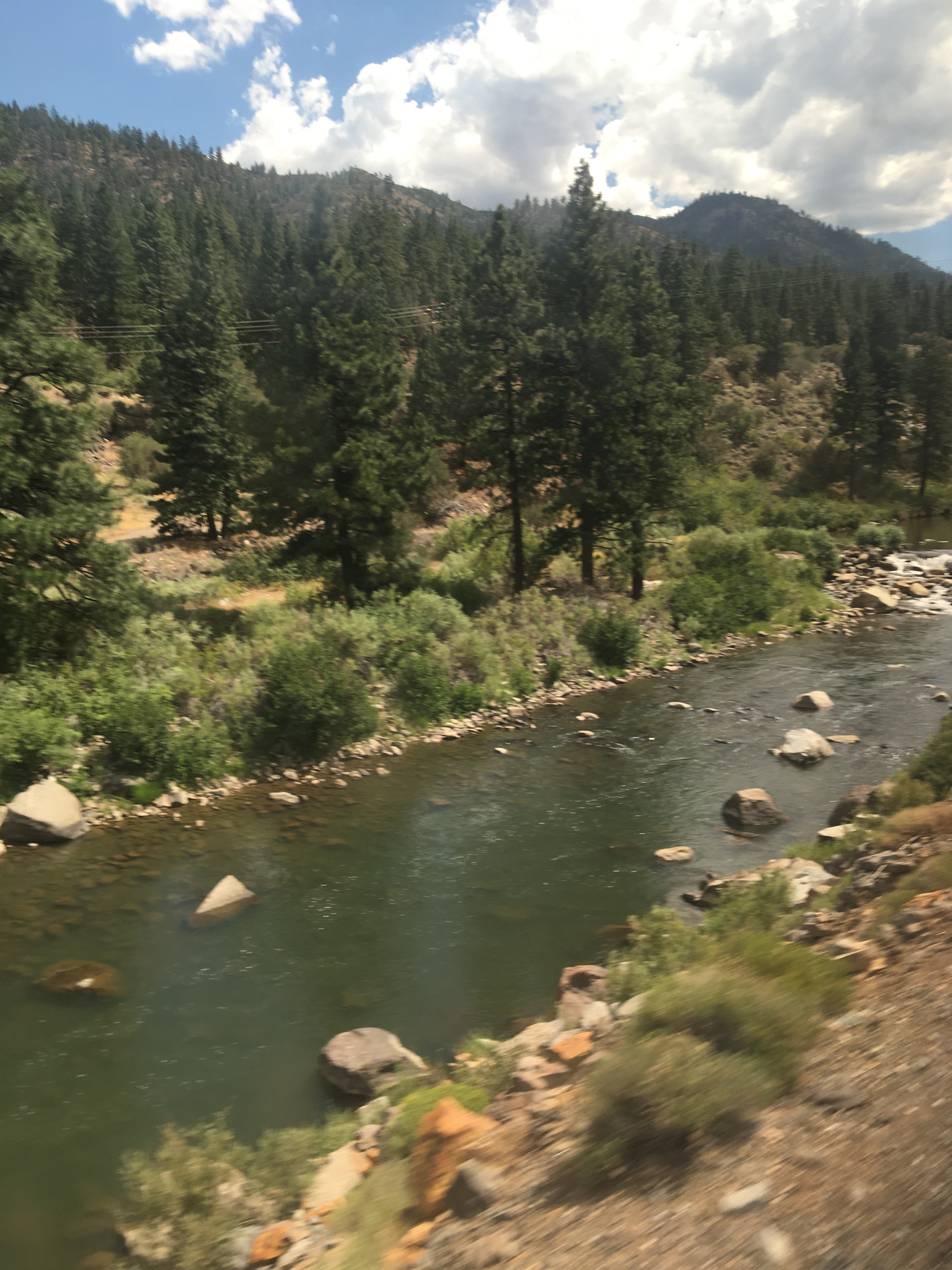
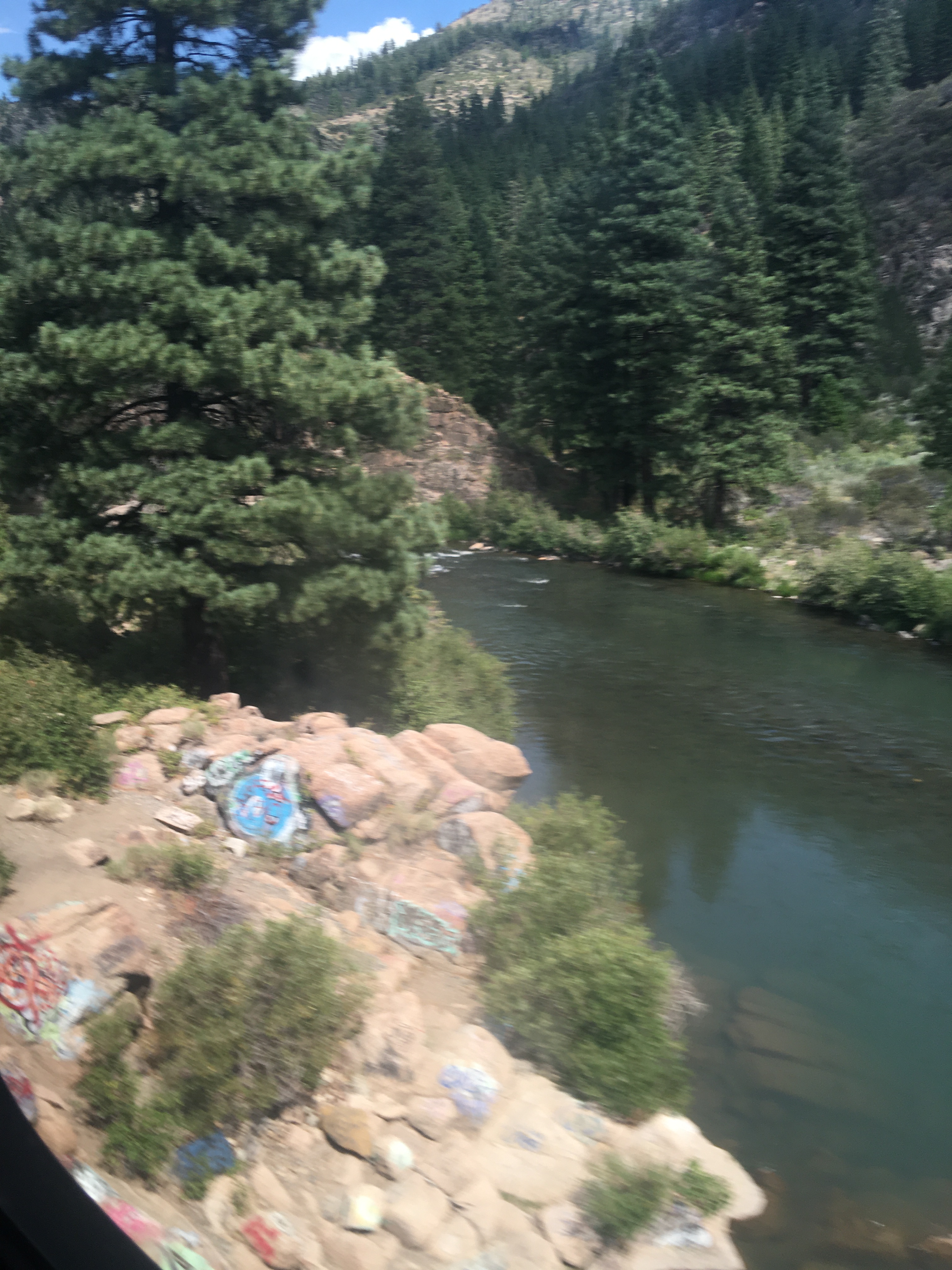
Arrival in San Francisco, CA
The long delay also threw the whole schedule off the rails, but we felt it worked to our advantage as we were treated to a surreal morning at the Great Salt Lake and a magnificent crossing of the Sierra Nevada in glorious sunshine.
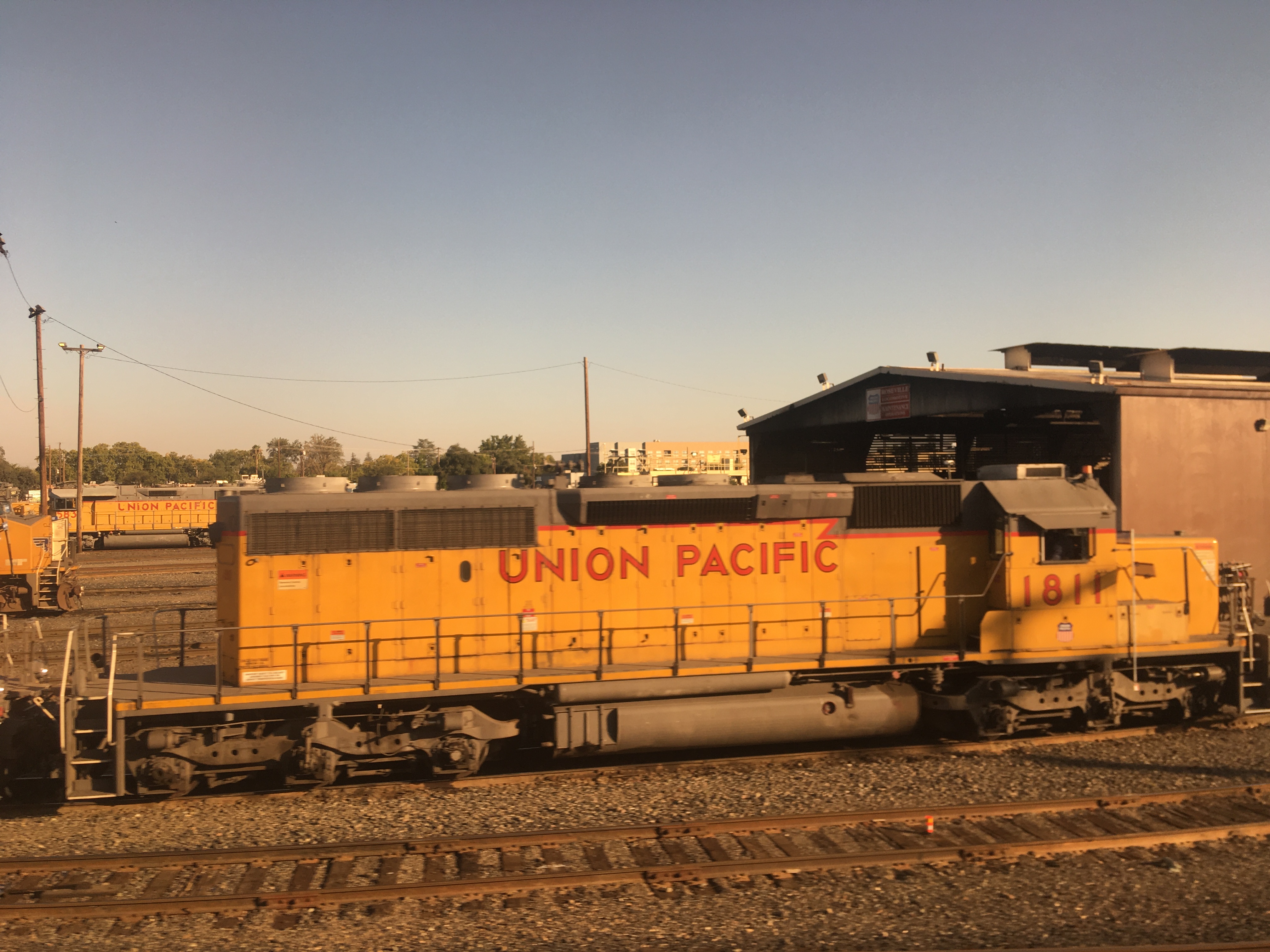
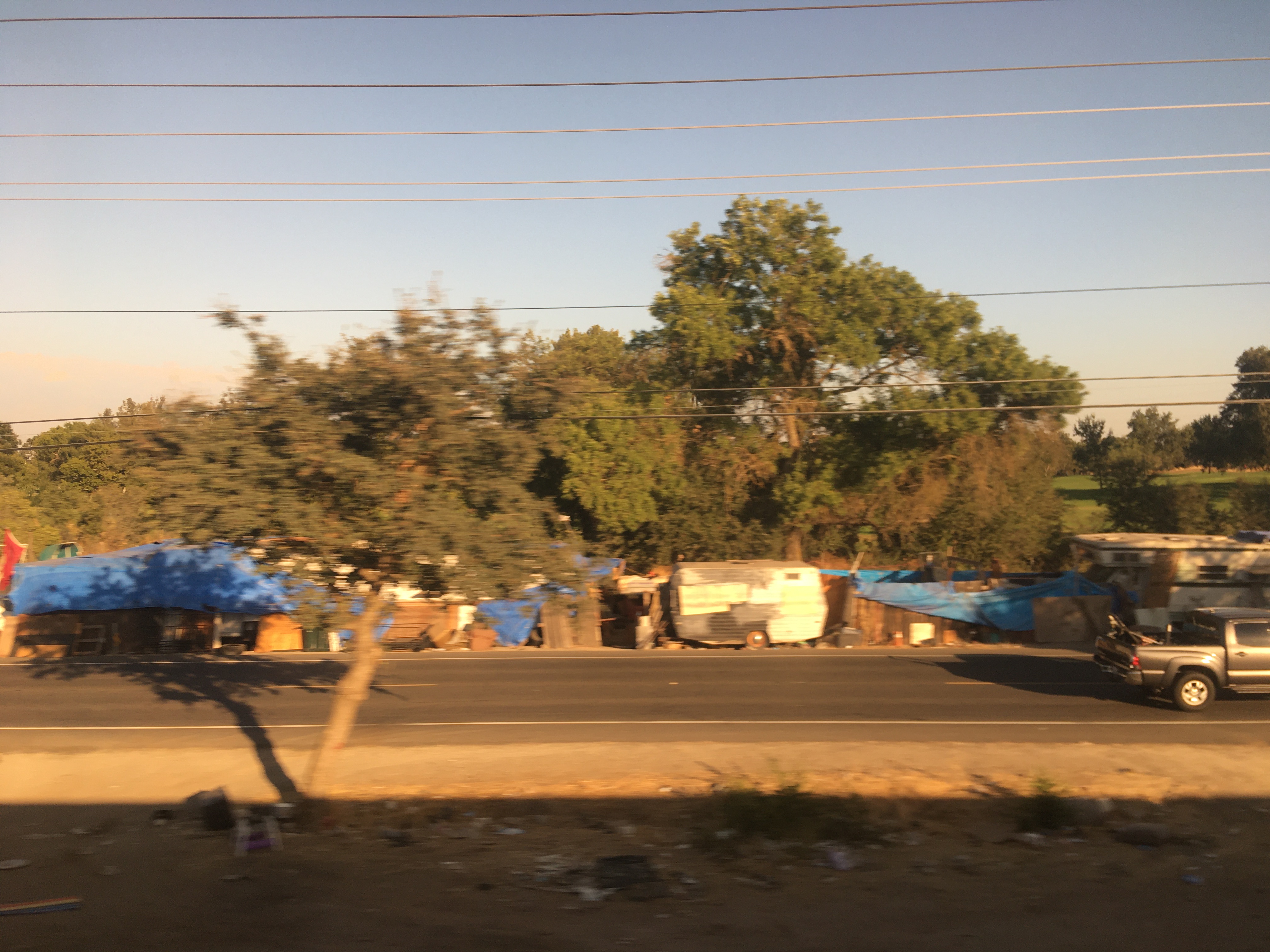
After crossing the last of the mountain ranges, the California Zephyr picked up speed and cruised smoothly down to the Pacific coast via the capital, Sacramento. Tents and makeshift shelters along the railway line were visible reminders that the Bay Area we were about to reach was still in a very difficult housing and economic situation.
The crew put on a small lunch to help everyone on the train through the delayed final leg.
The end of the epic journey was rather unceremonious. The majestic trains pulled into the prosaic station of Emeryville, CA, where everyone rushed to get off and collect their bags, as the train can’t stay on the platform there for long.
A coach took us to our final destination of San Francisco in just over half an hour, crossing the spectacular Oakland Bay Bridge. The bus stopped in front of a nondescript office building at 555 Mission Street.
As we stood there waiting for a taxi to our hotel, I couldn’t help but think that it was strange that the signs on the shops were still in English, given that we had been on a train for so long.
Information Section
Some Background on Amtrak
When the National Railroad Passenger Corporation Amtrak was created in 1971, many believed it was set up to fail. All railroad companies that operated intercity routes were invited to join, allowing them to shed these money-losing operations and concentrate on profitable freight trains instead.
So despite its patriotic marketing name, Amtrak was essentially a bad bank on rails. The 20 railroads that joined were happy to turn over their aging rolling stock and dilapidated stations to Amtrak, while keeping the tracks and rights of way. The stations proved to be particularly burdensome, attracting high property taxes while competing modes such as airports and highways were heavily subsidised.
Finances have been in turmoil for decades, while ridership has slowly increased despite horrendous operational problems. At times, Amtrak had routes with an on-time performance of 5%. A significant and highly visible turnaround was achieved with the introduction of high-speed Acela Express trains on the Northeast Corridor in October 2000, which proved immensely popular.
Tickets
Buying tickets on www.amtrak.com was relatively easy. When entering San Francisco as a destination a number of connection pops up, however, there is just one per day on the transcontinental California Zephyr. Note that the train terminates in Emeryville, CA and the last 30 mins of journey are on a connecting coach.
Amtrak offers two main categories on this train, ‘coach’ and ‘rooms’. Rooms include bedrooms, family bedrooms and roomettes.
We traveled with our 12-year-old, so a family bedroom would have been the best choice. Unfortunately those were sold out already on all the dates we tried (we booked five months ahead), so we went for two roomettes, which brought the total to 2,200 $. That sure is a lot of money for a train ticket but it includes all meals and two nights’ accommodations as well as plenty of luggage (checked bags and two carry-ons) as well as lounge acces in Chicago.
Tickets are personalized an you also receive the numbers of your car and compartment right away.
Check-in and Metropolitan Lounge
Your large bags will be transported in the baggage car, so you will need to prepare an overnight bag for your time on the train.
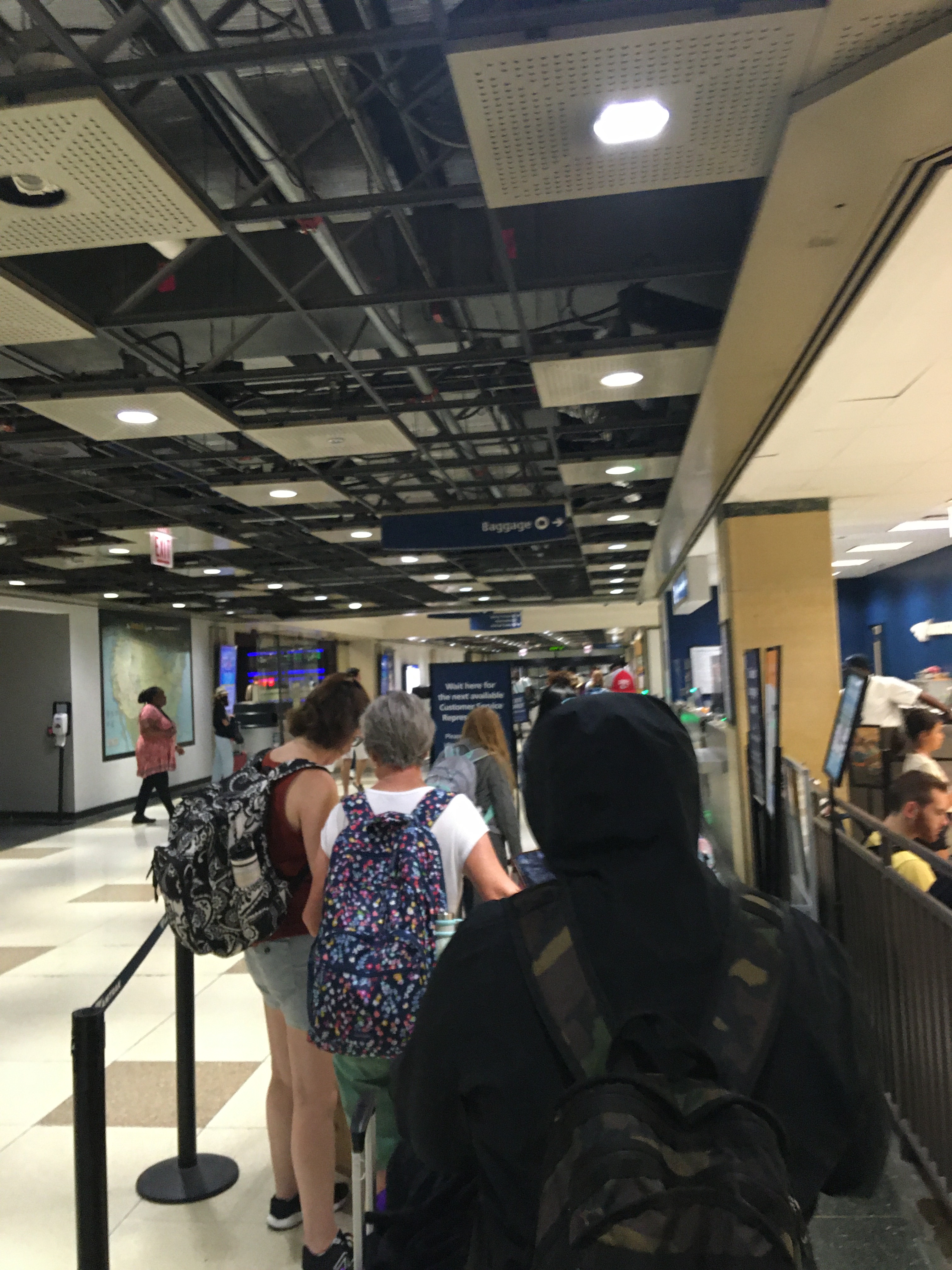
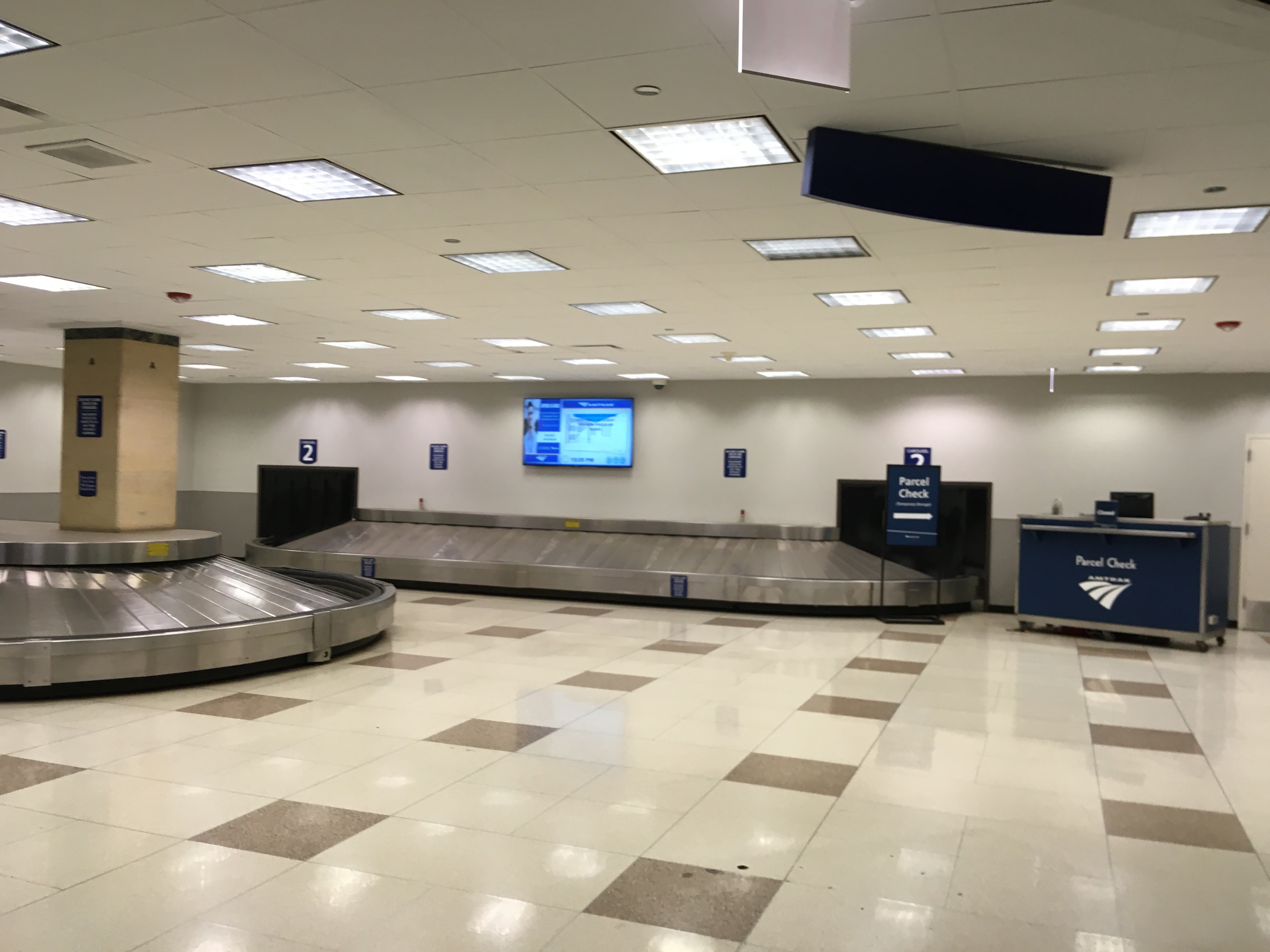
The Metropolitan Lounge occupies two floors next to the Great Hall on the Jackson Street side. Its interior echoes the Beaux Arts style of the station building, particularly in the materials and lighting. Acess is included in sleeper car tickets.
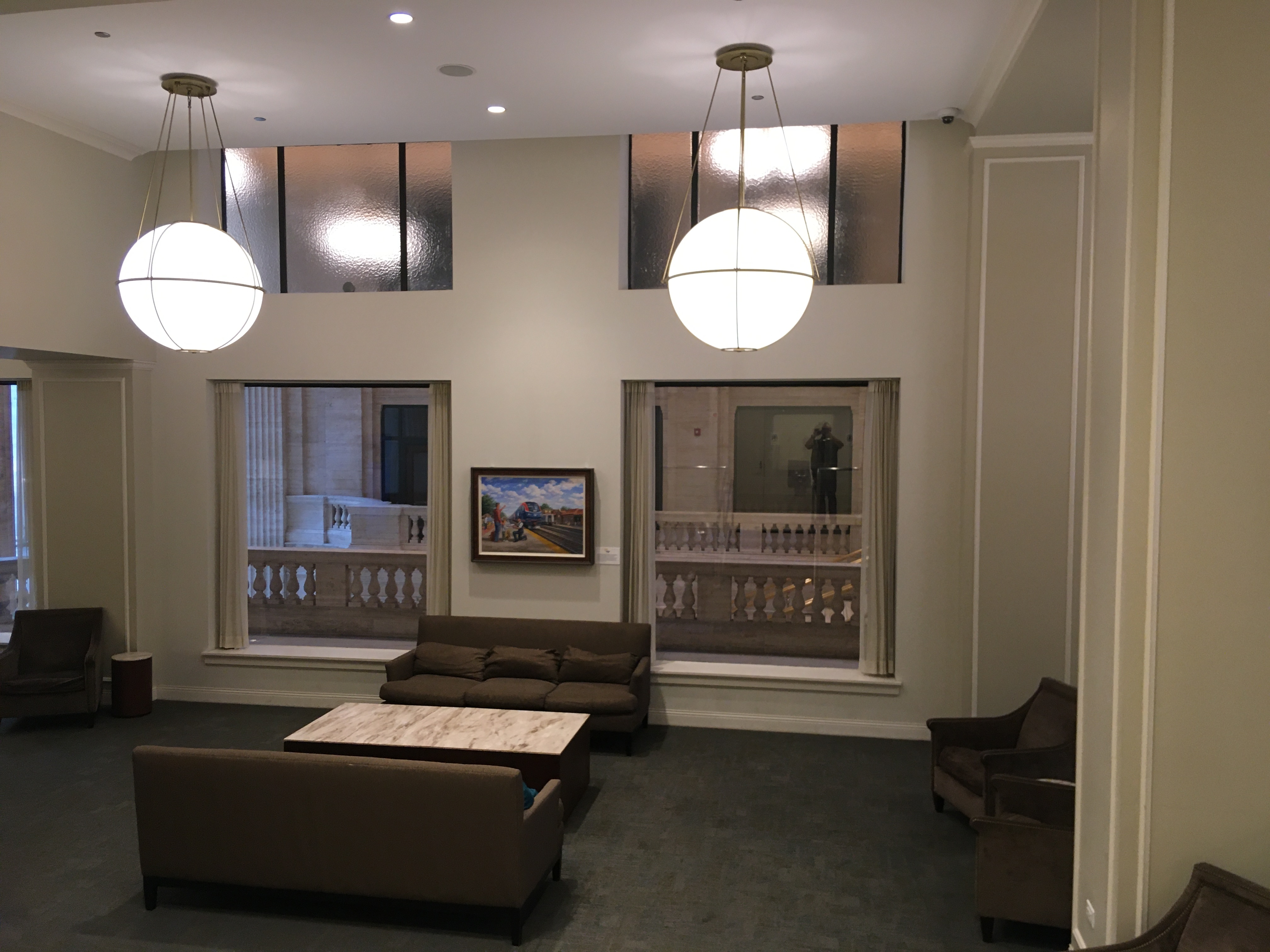
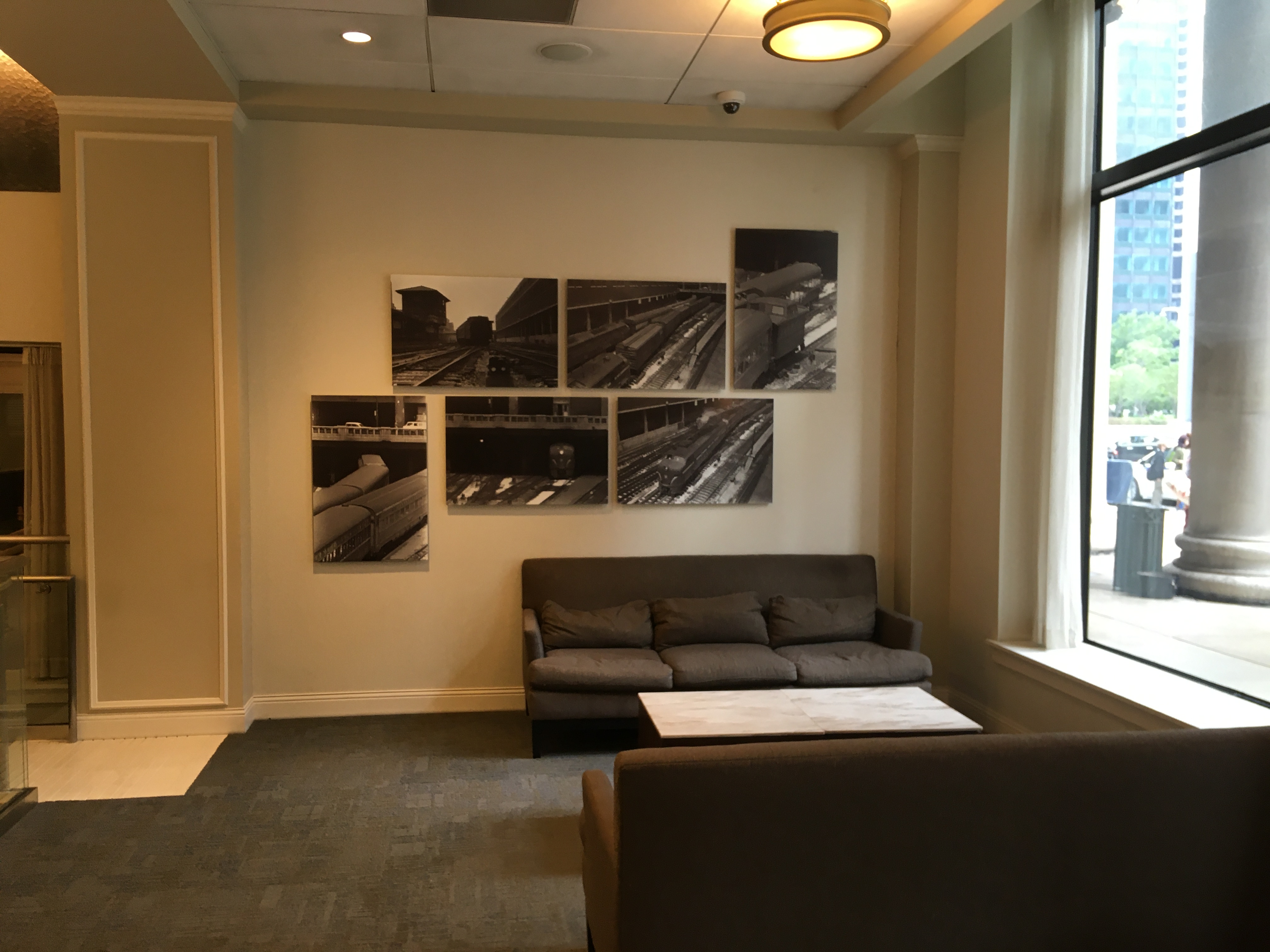
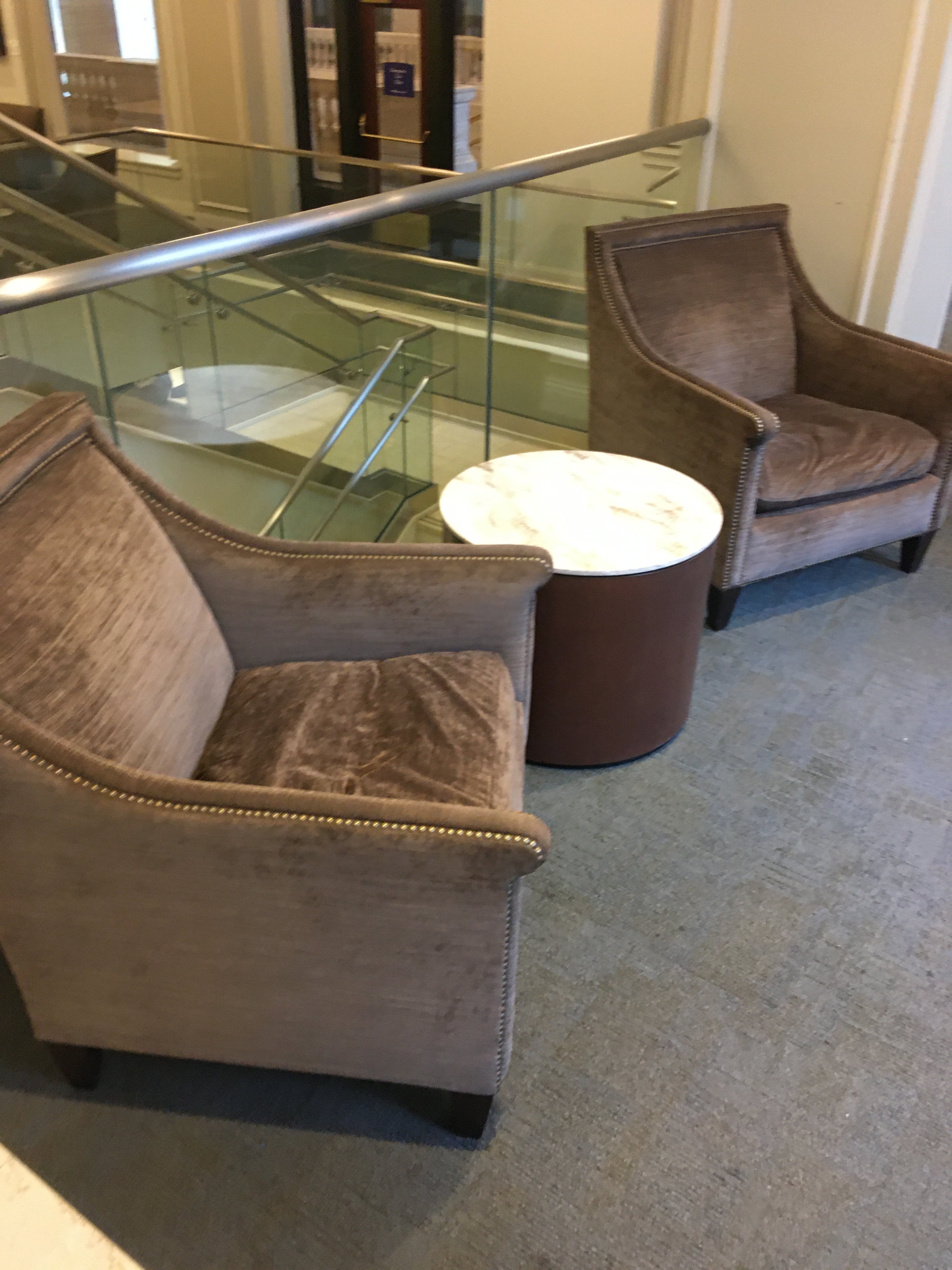
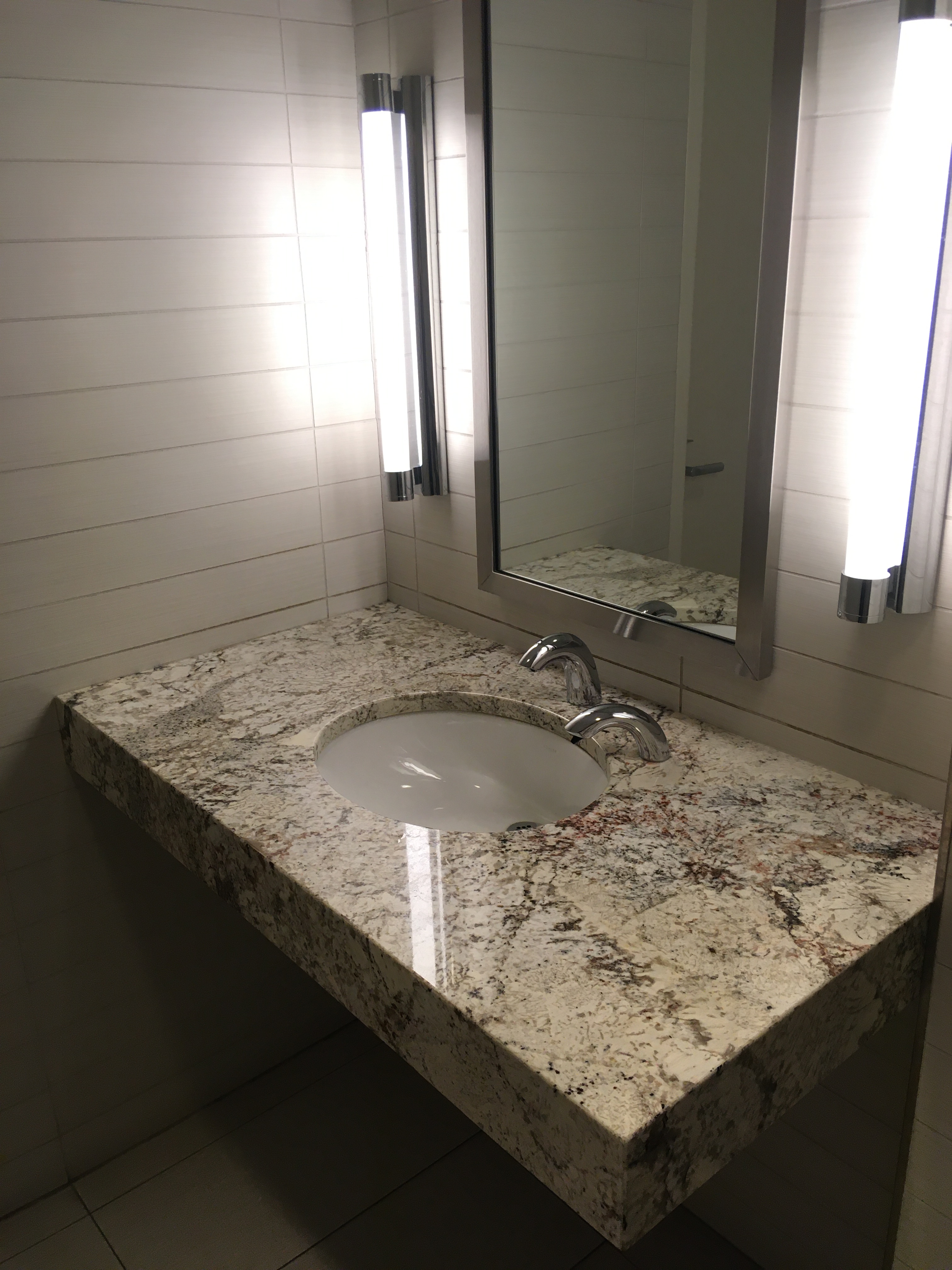
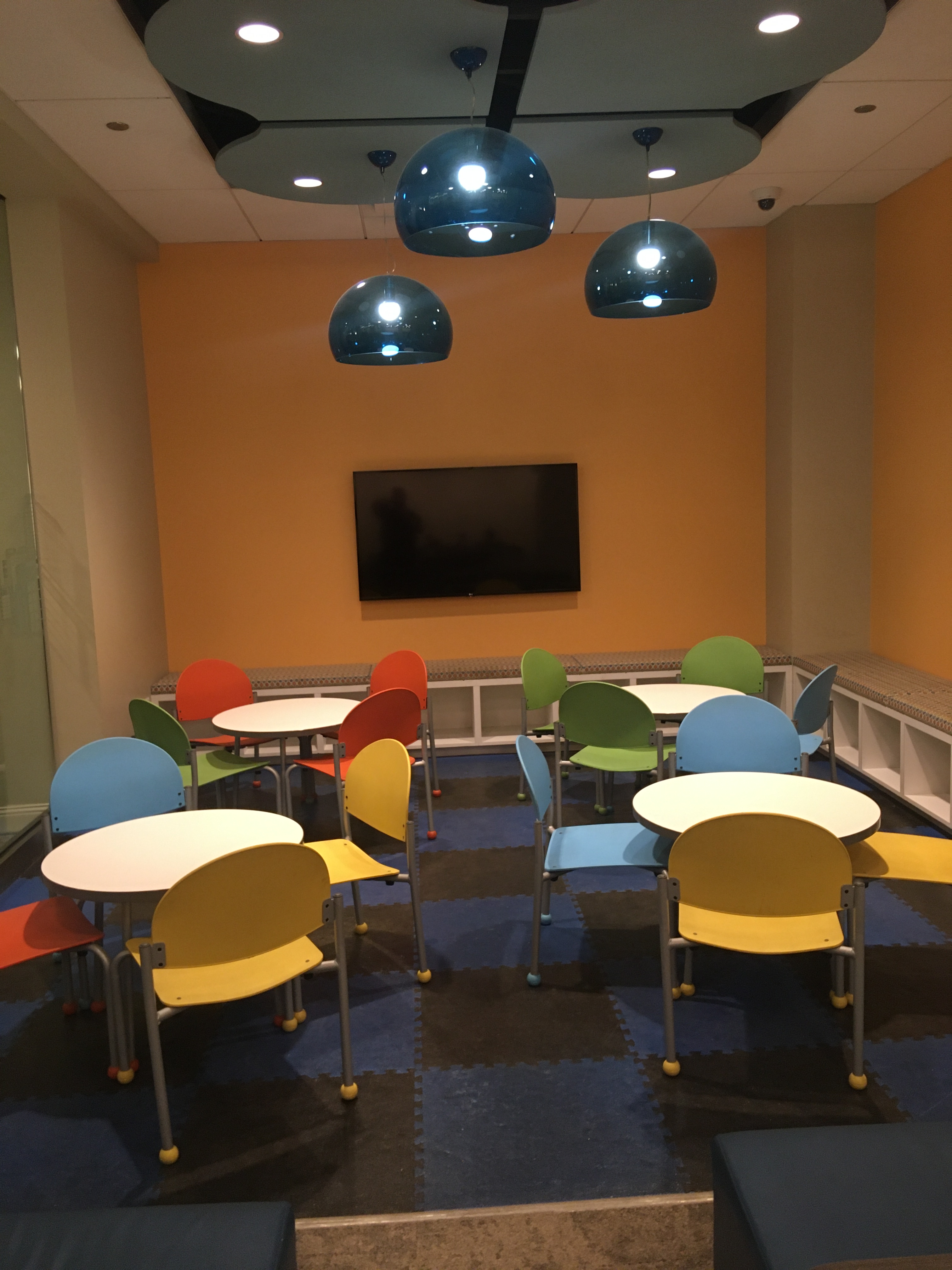
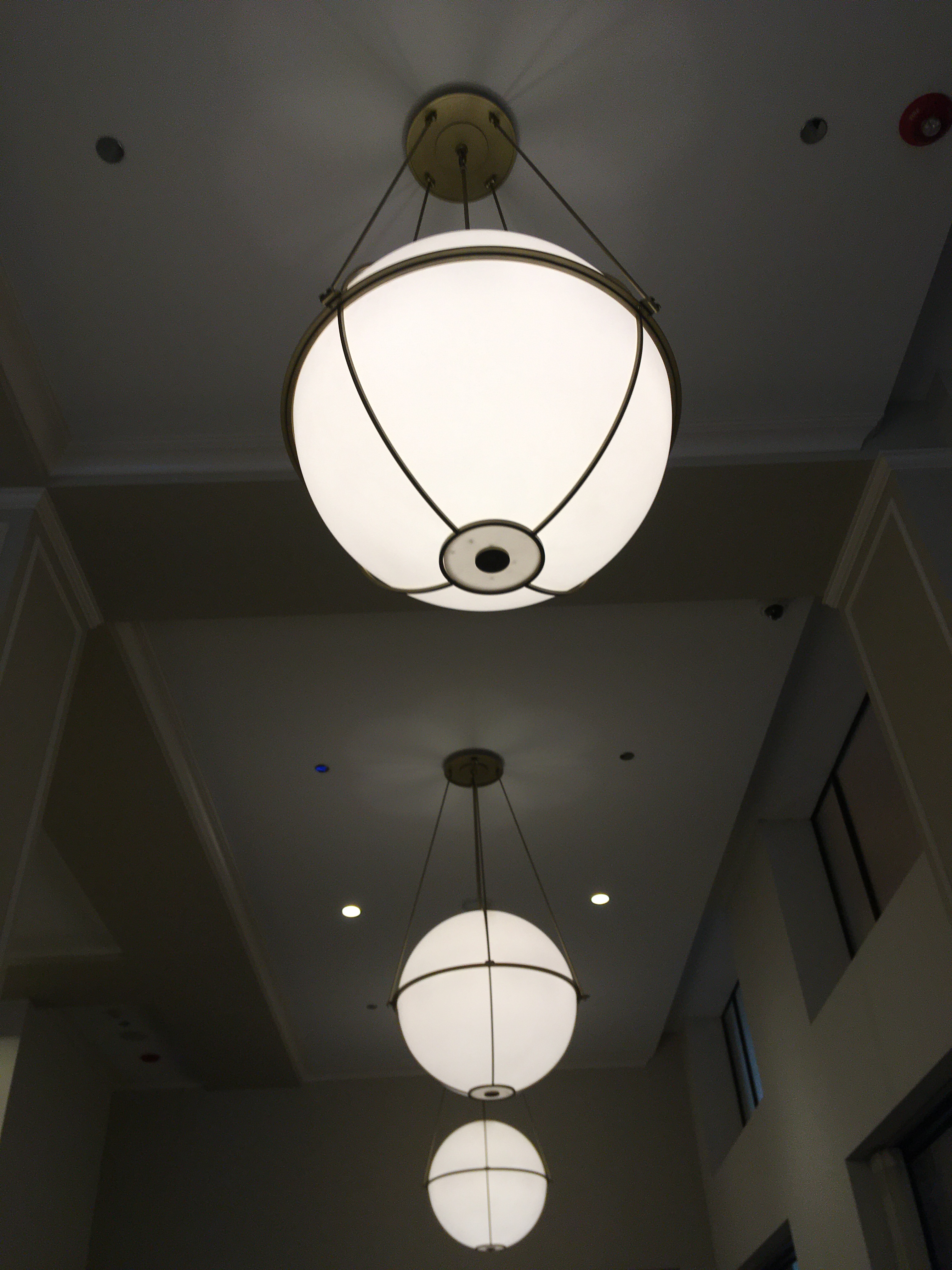
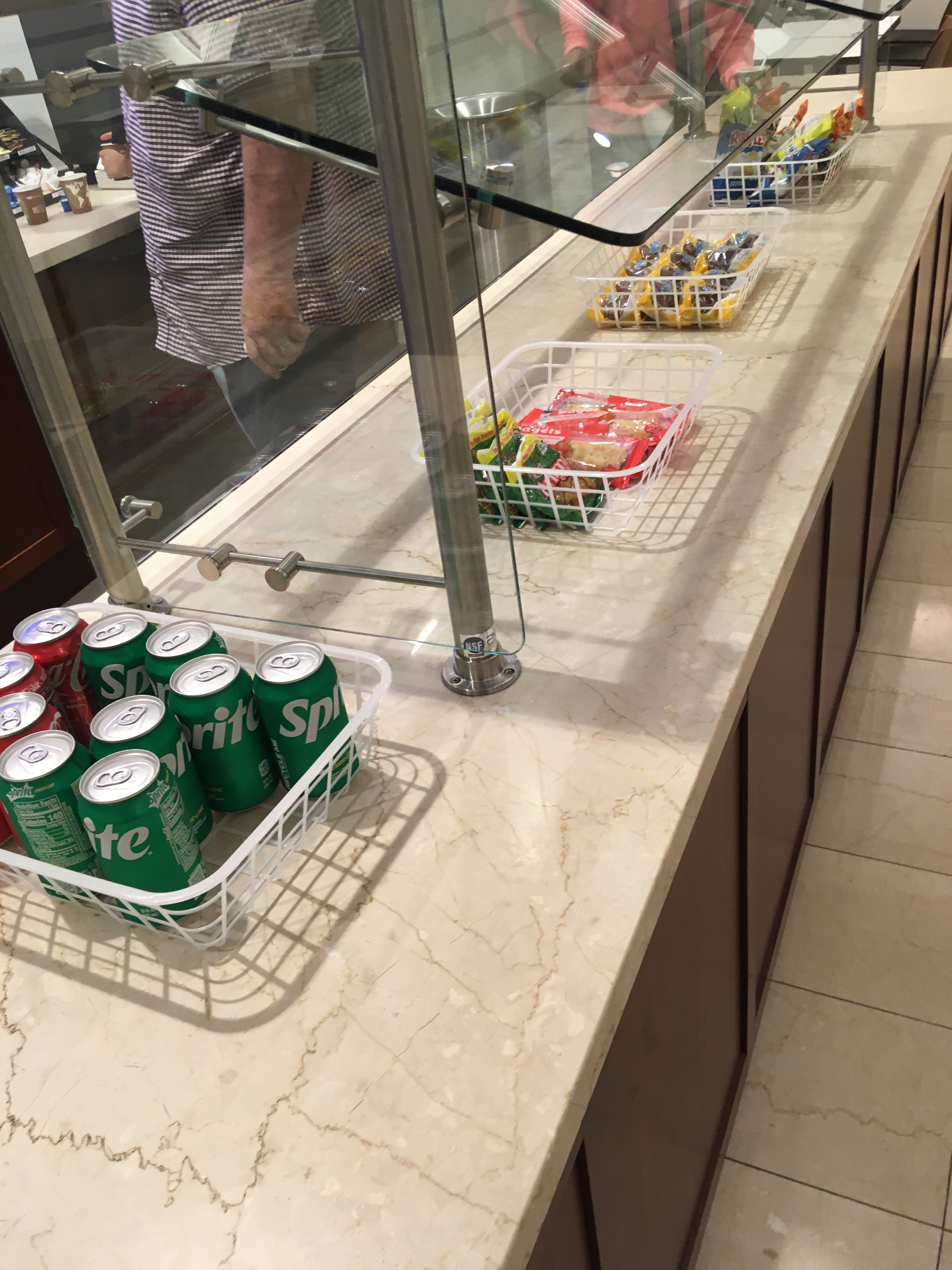
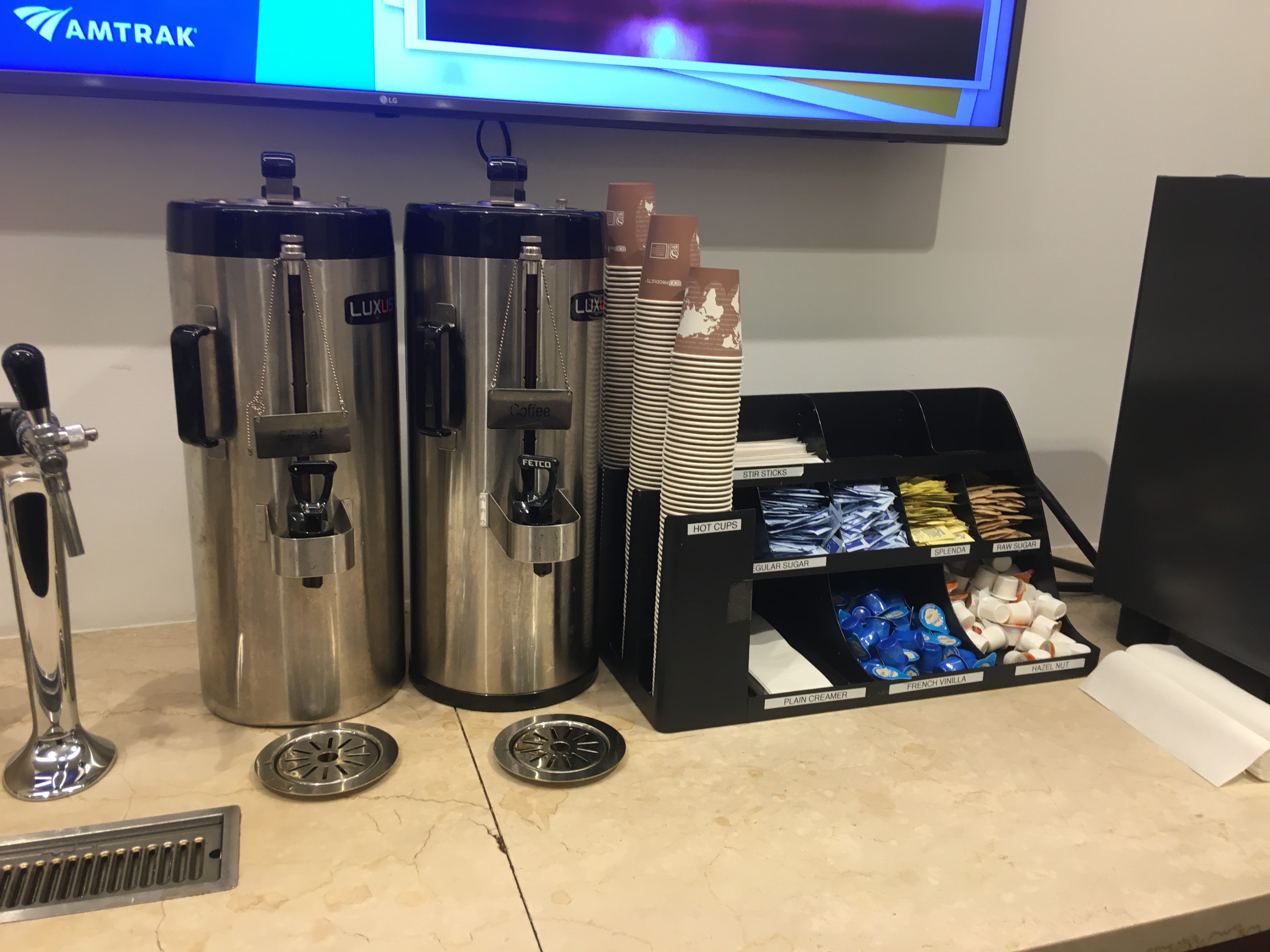
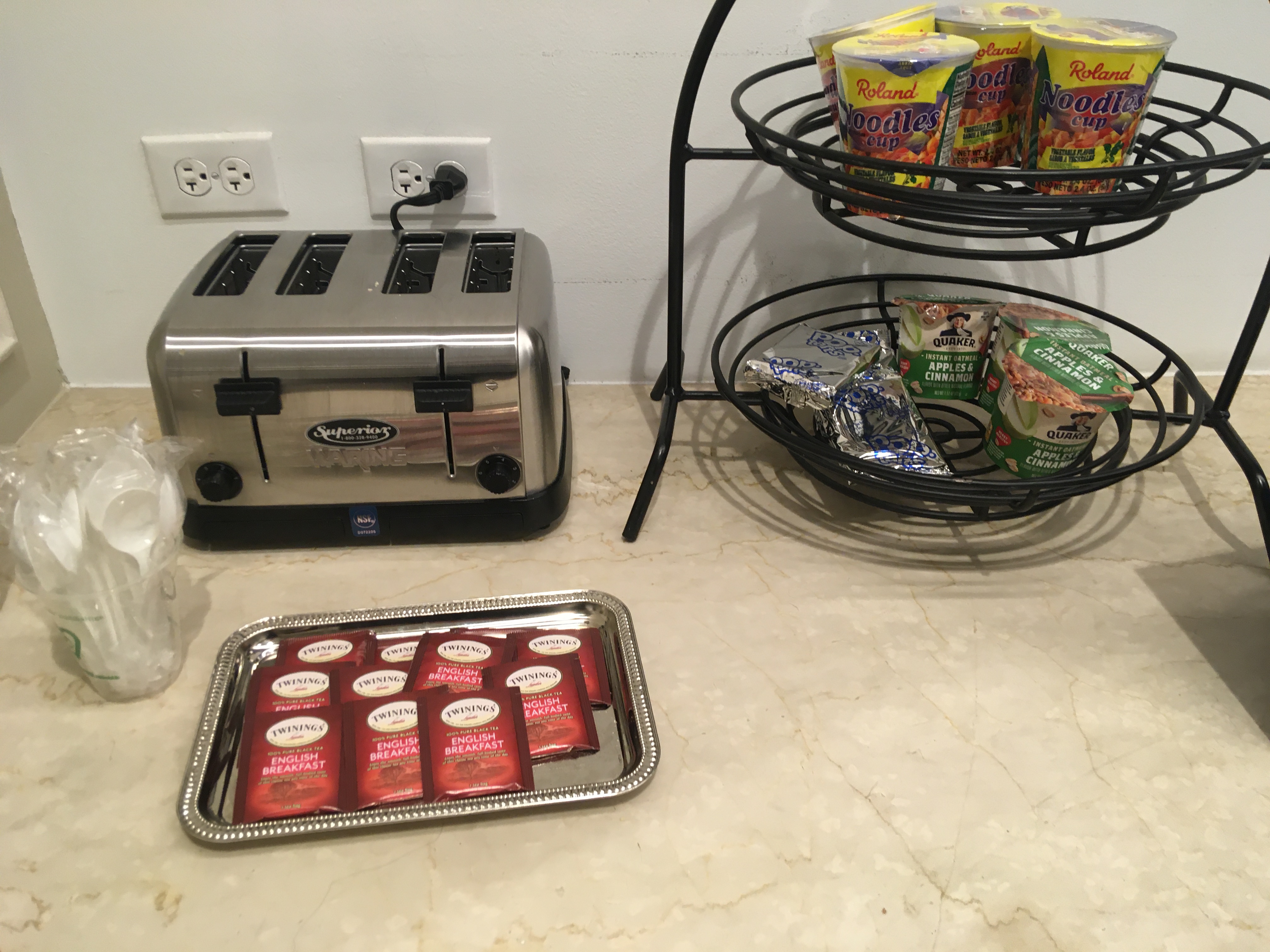
There is plenty of seating in several rooms, some more formal, some more relaxed. WiFi is fast throughout and there are plenty of power points. Soft drinks are complimentary and there is a small staffed bar serving beer, wine and spirits. The food is limited to packaged snacks and overall a little underwhelming.
Trains are called in the lounge and passengers are escorted in groups to the boarding area.
Getting to Know the Roomette
Roomettes are the lower class of sleeping compartments on Superliner trains. They are completely private, with a lockable door, and can accommodate up to two passengers – sitting across from each other during the day and sleeping on top of each other in berths for the night.
The roomettes are air conditioned and there is a turndown service provided by the sleeper attendant each evening.
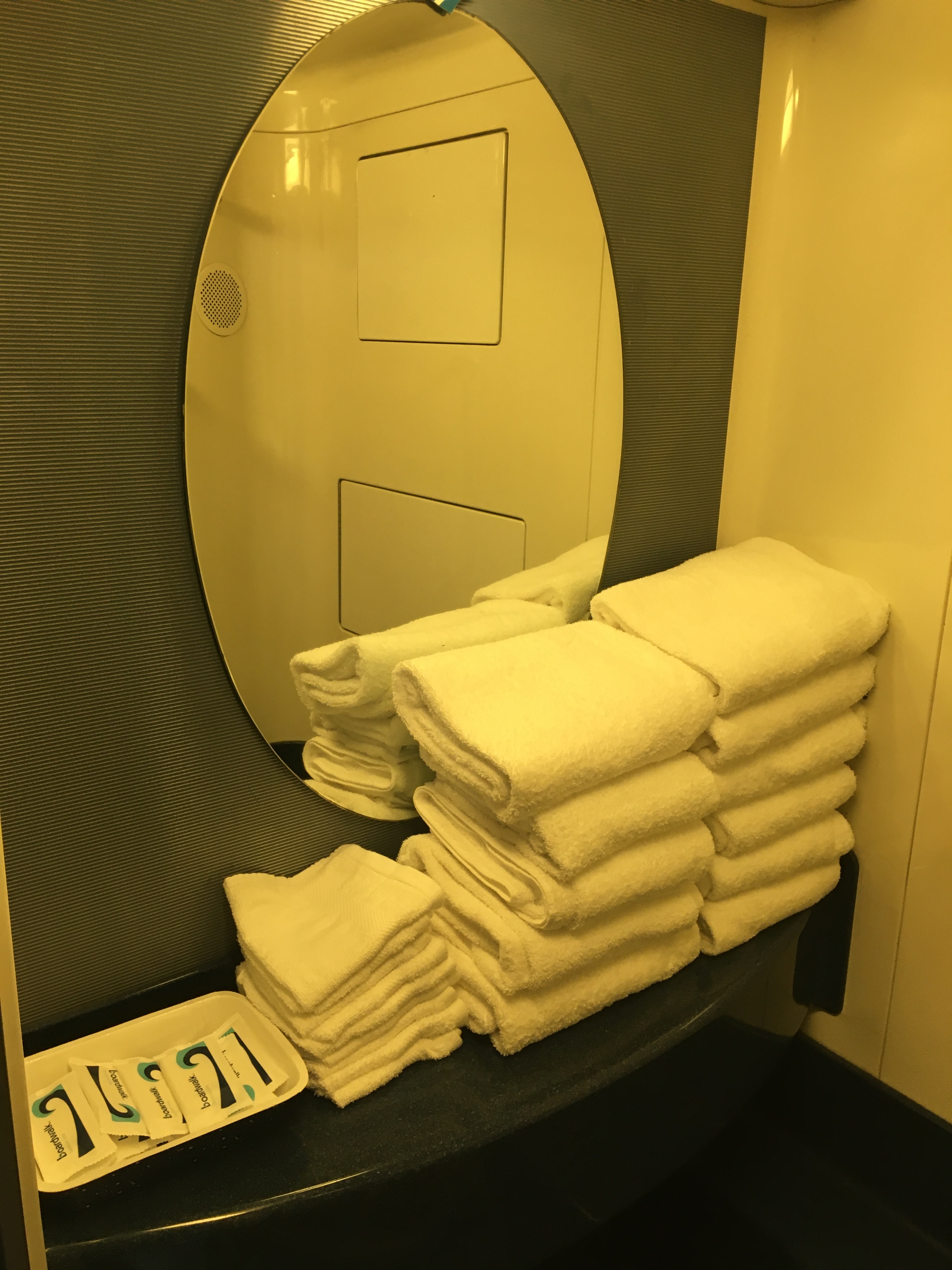
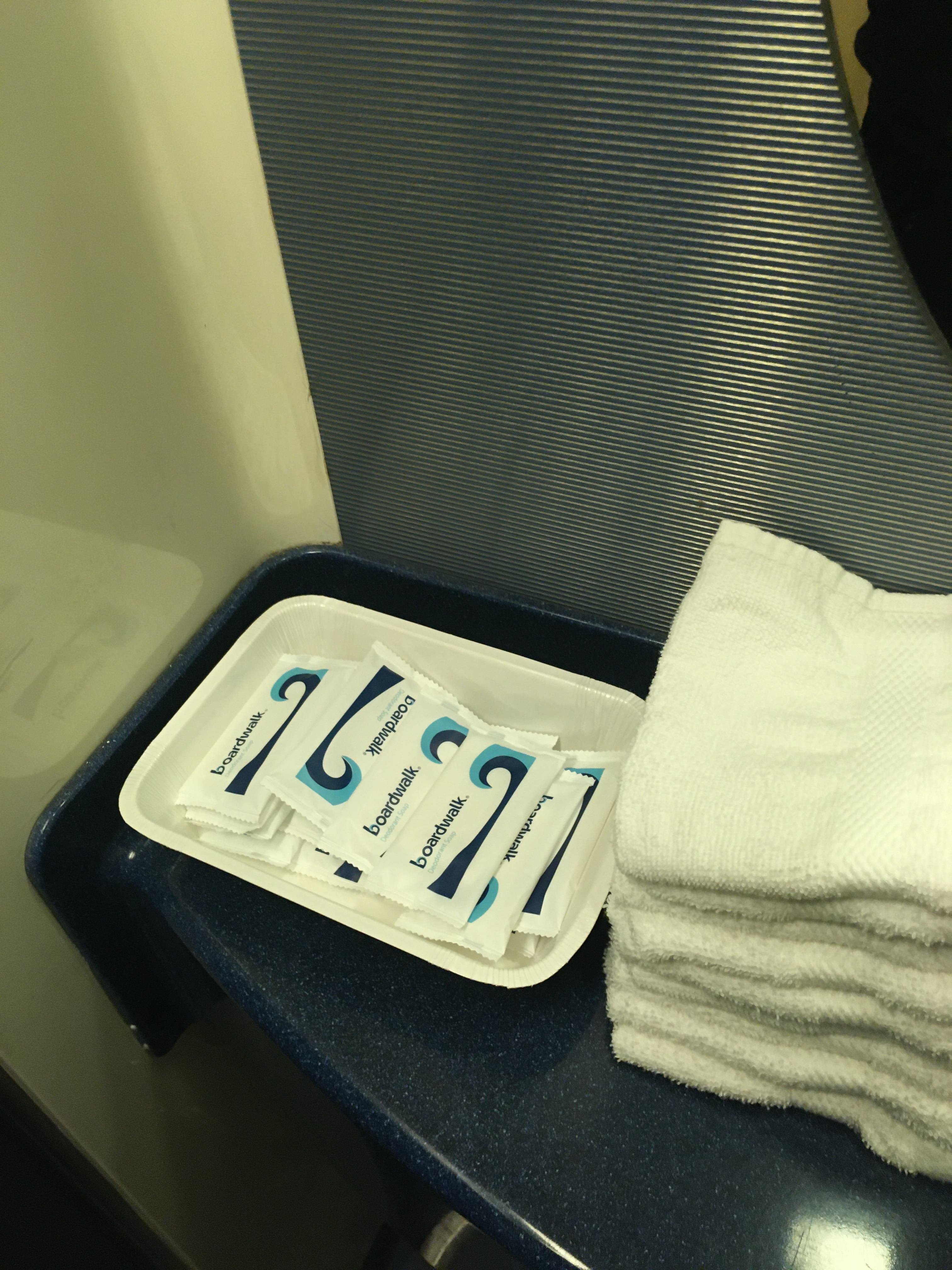
There are facilities in the compartment – restrooms and showers are shared with other passsengers.
Storage space is limited to a narrow wardrobe, so pack light and bring a soft bag rather than a trolley. There are a few coat hooks and you can use the steps to the upper berth for extra storage, but that is about as much storage as you get in the overnight configuration.
Your hand luggage can be stowed under the seats that make up the lower berth, but they are not accessible while the bed is folded out.
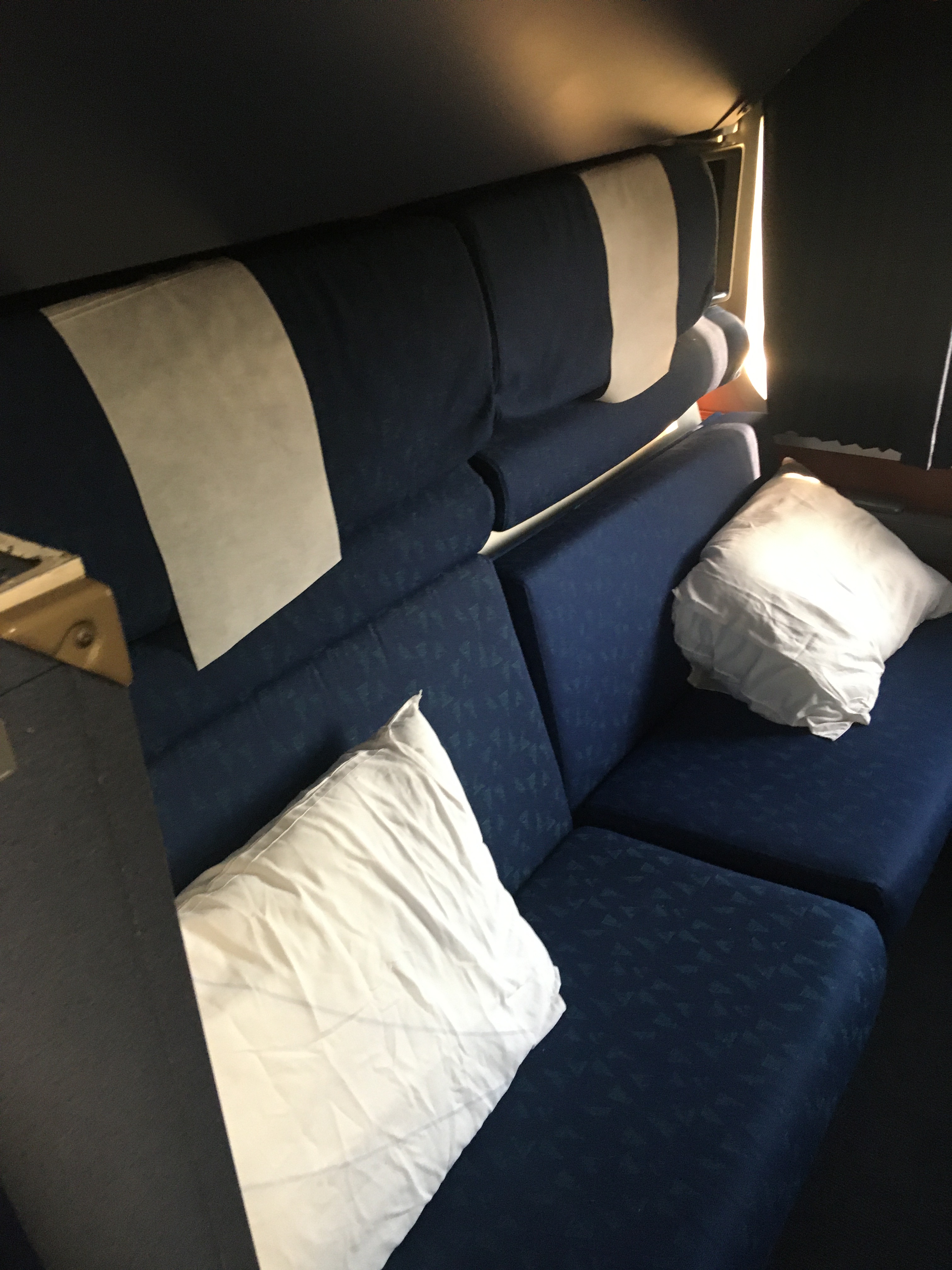
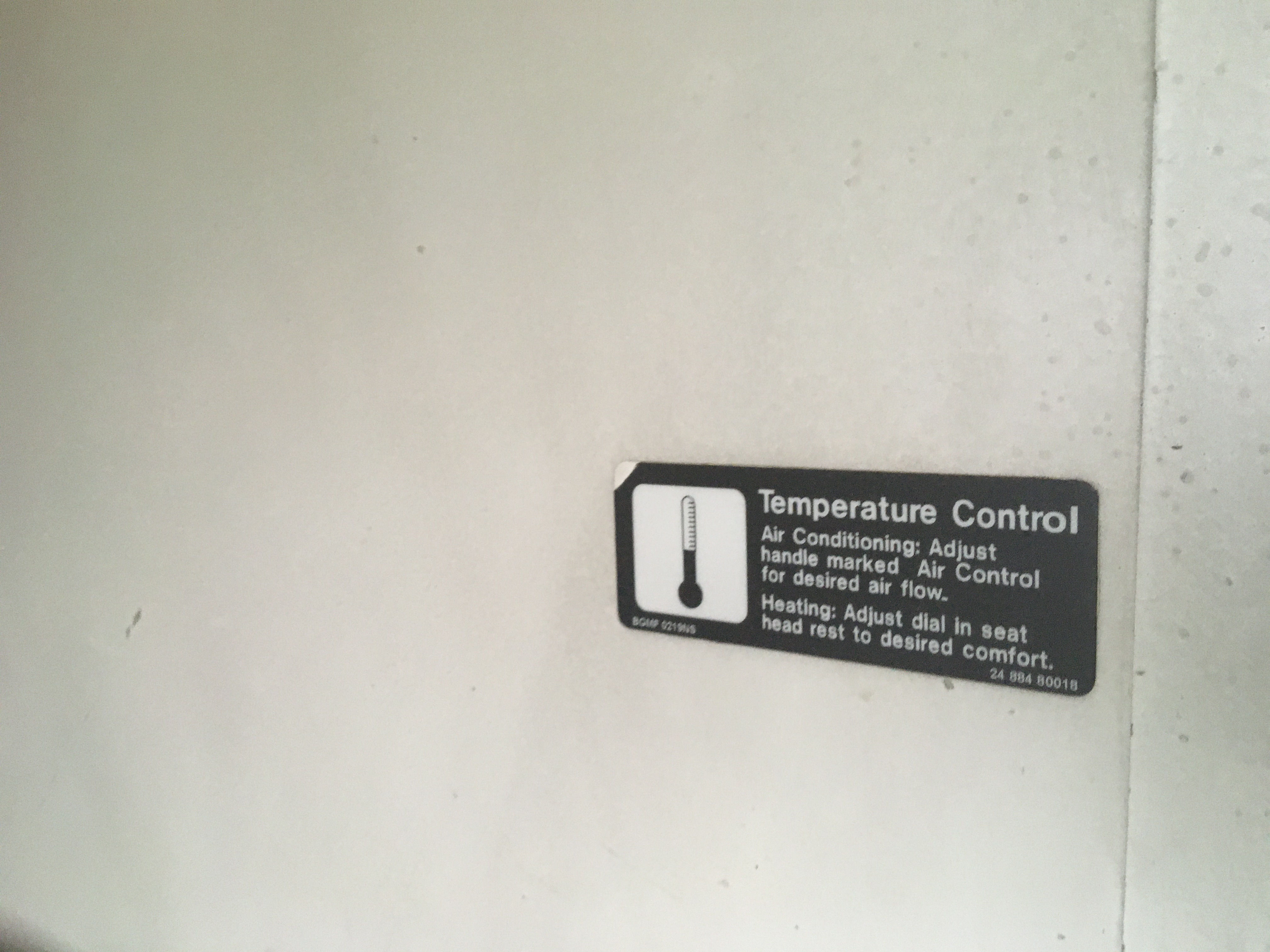
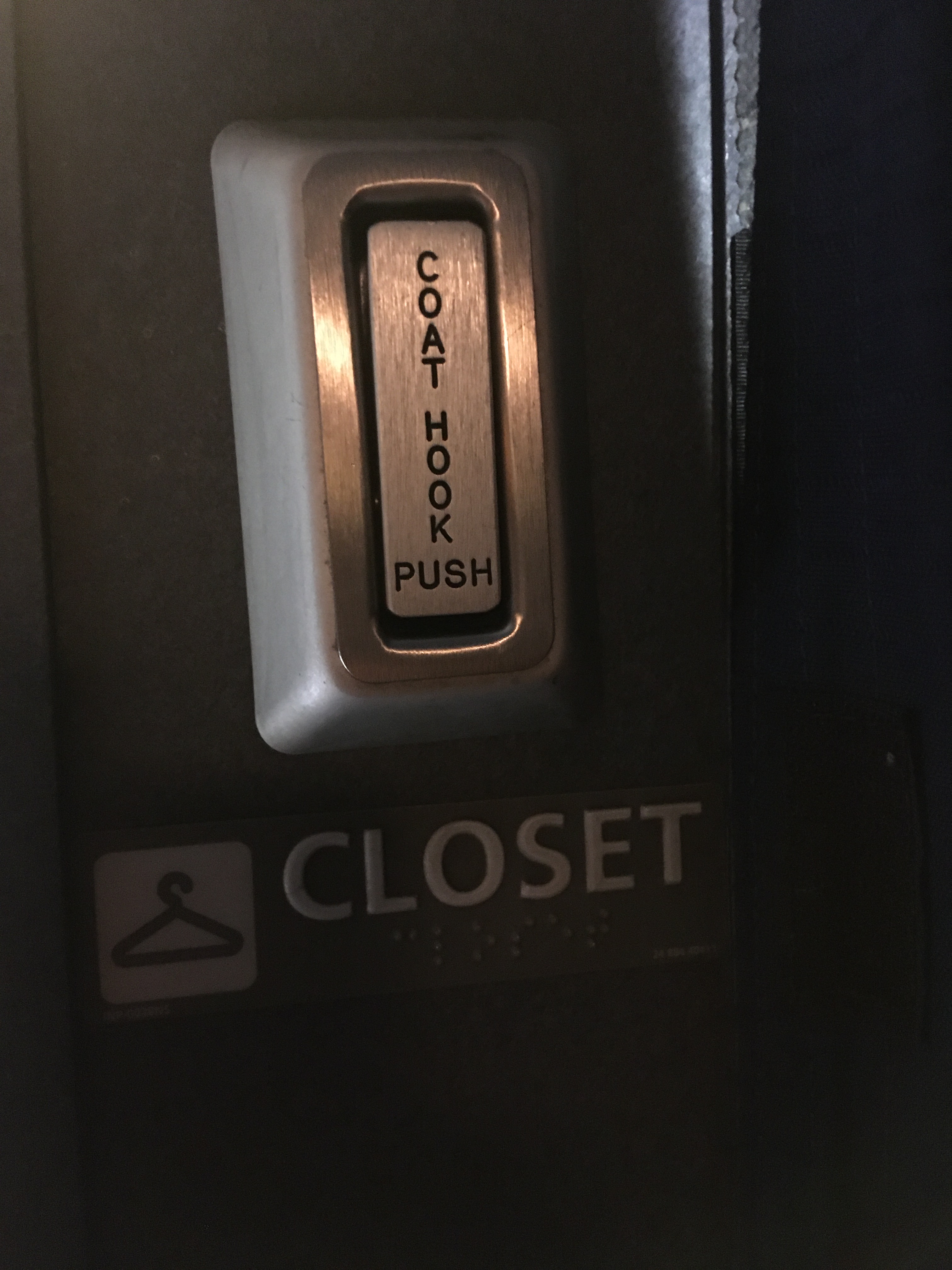
There are a number of sockets, a reading light for each seat and a control panel for the speakers and a call button.
Food & Beverages
ood and beverages are included in all sleeping car fares. On the westbound California Zephyr, full board begins with dinner in the evening on Day 1 a few hours out of Chicago, then breakfast, lunch and dinner on Day 2 and breakfast and lunch on Day 3.
Make dinner reservations with your sleeping car attendant.
Amtrak’s “Traditional Dining” is available and there is a proper kitchen in the lower level of the dining car where chefs flip burgers and grill steaks. Thus the main courses for lunch and dinner were all tasty and well prepared. Not to be missed are the beef burger and the famous Amtrak flat iron steak. Both of these traditional dishes could easily have been served in a good restaurant.
Starters, on the other hand, were unimaginative frozen convenience products and most of the dessert options ran out on the first night and we grew a little tired of the one remaining chocolate-heavy option as the trip progressed.
Iced tea, water, orange juice, soft drinks and tea & coffee are included with every meal, as well as a beer or glass of wine with dinner.
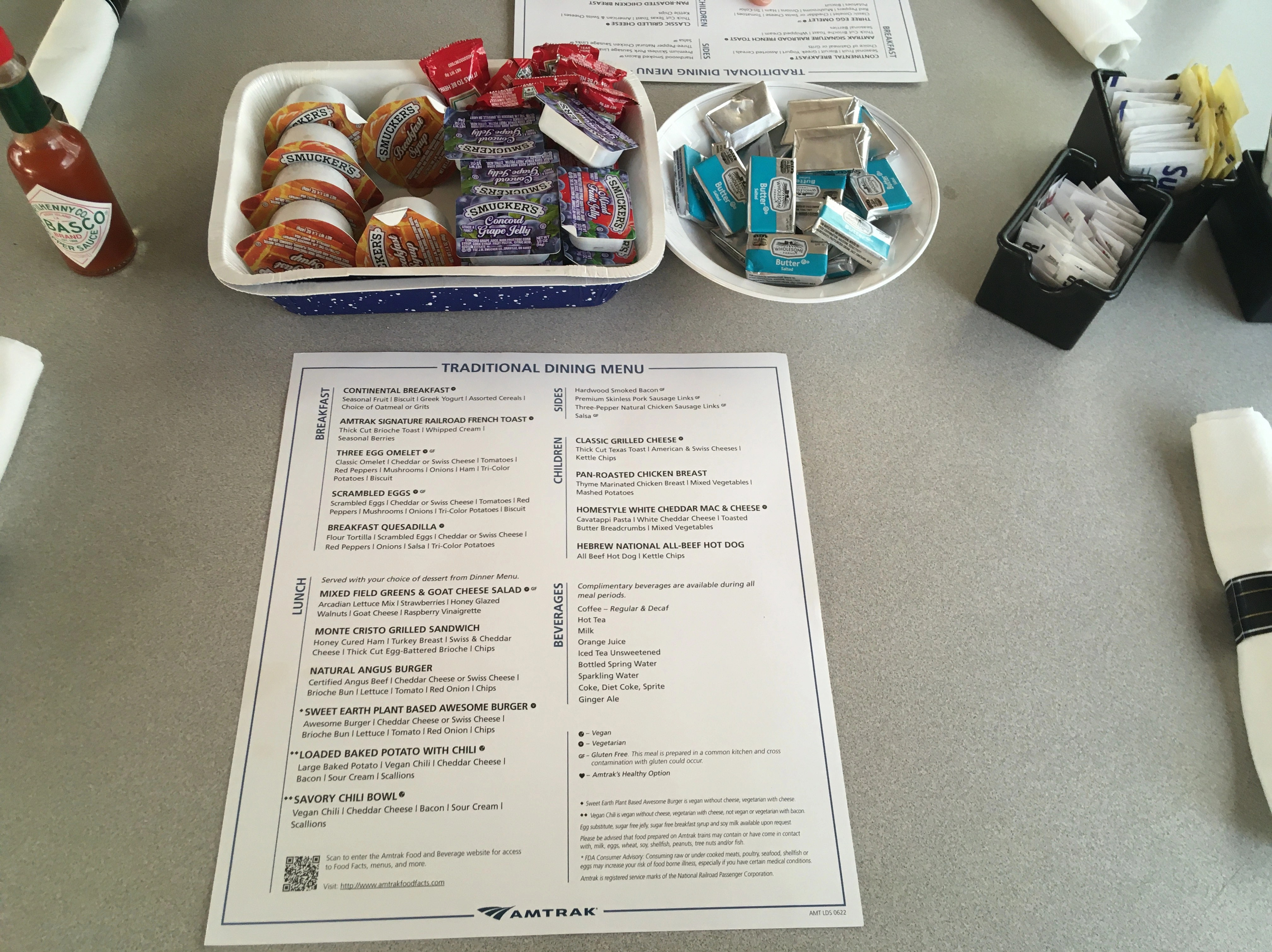
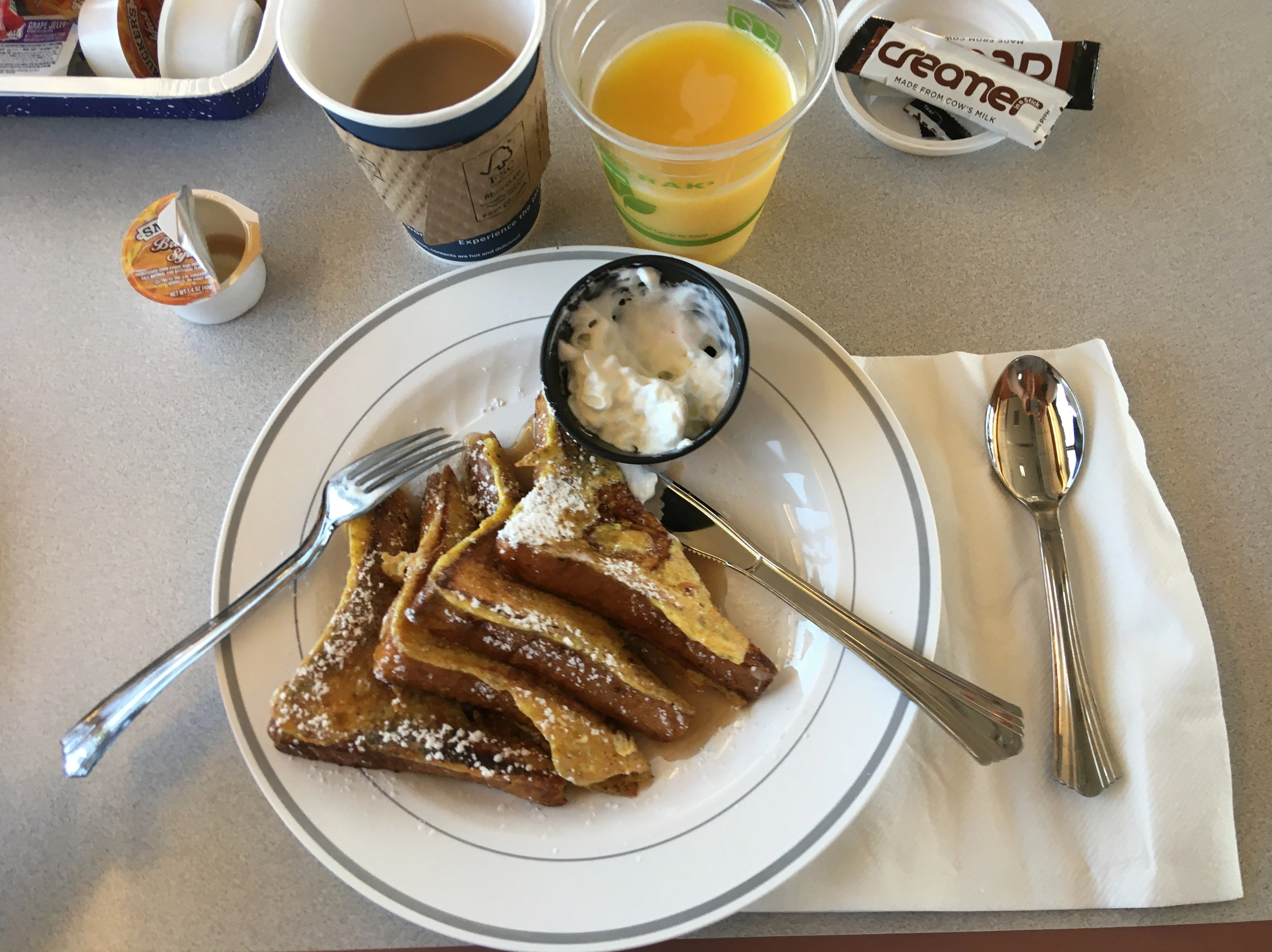
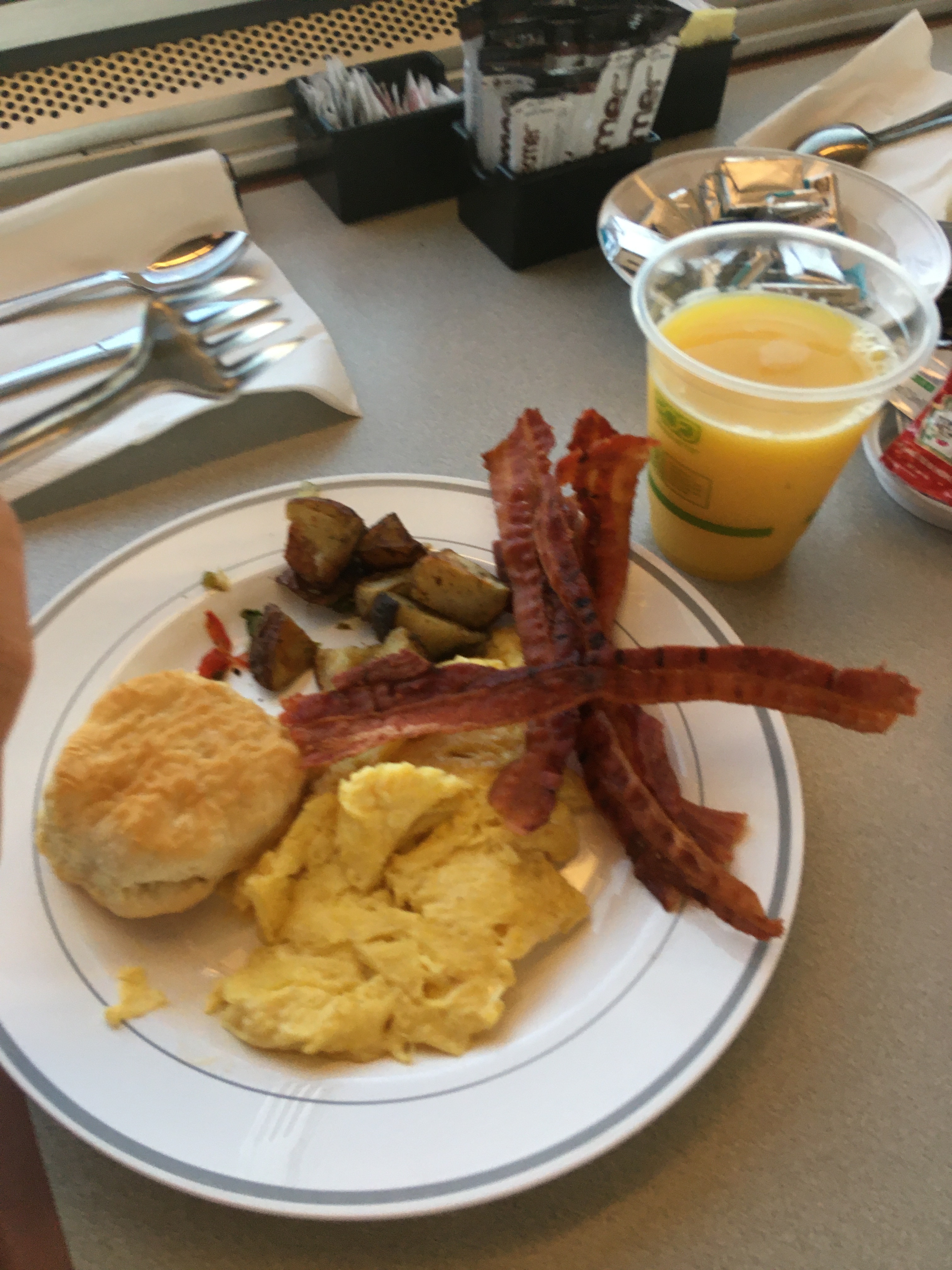
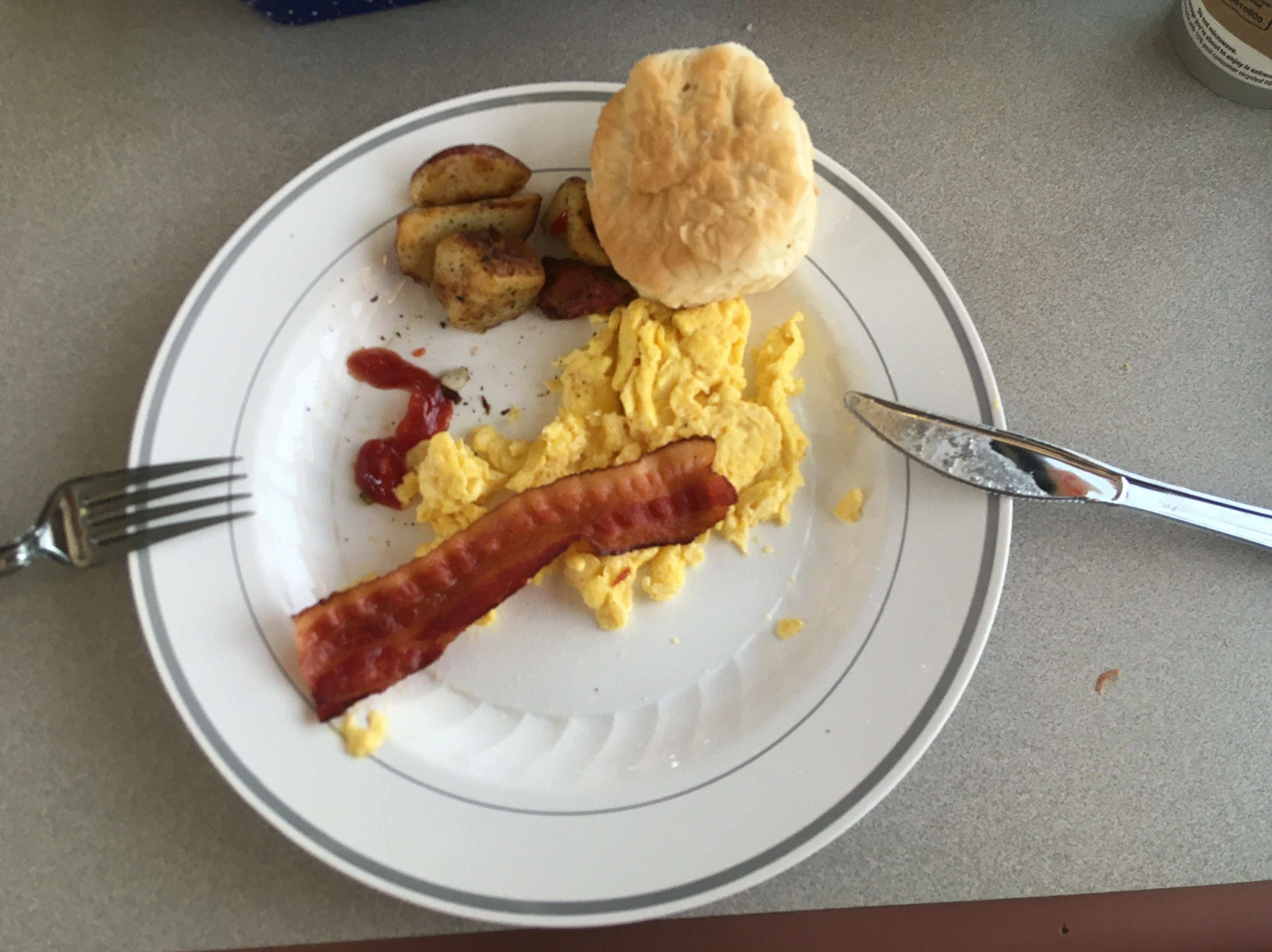
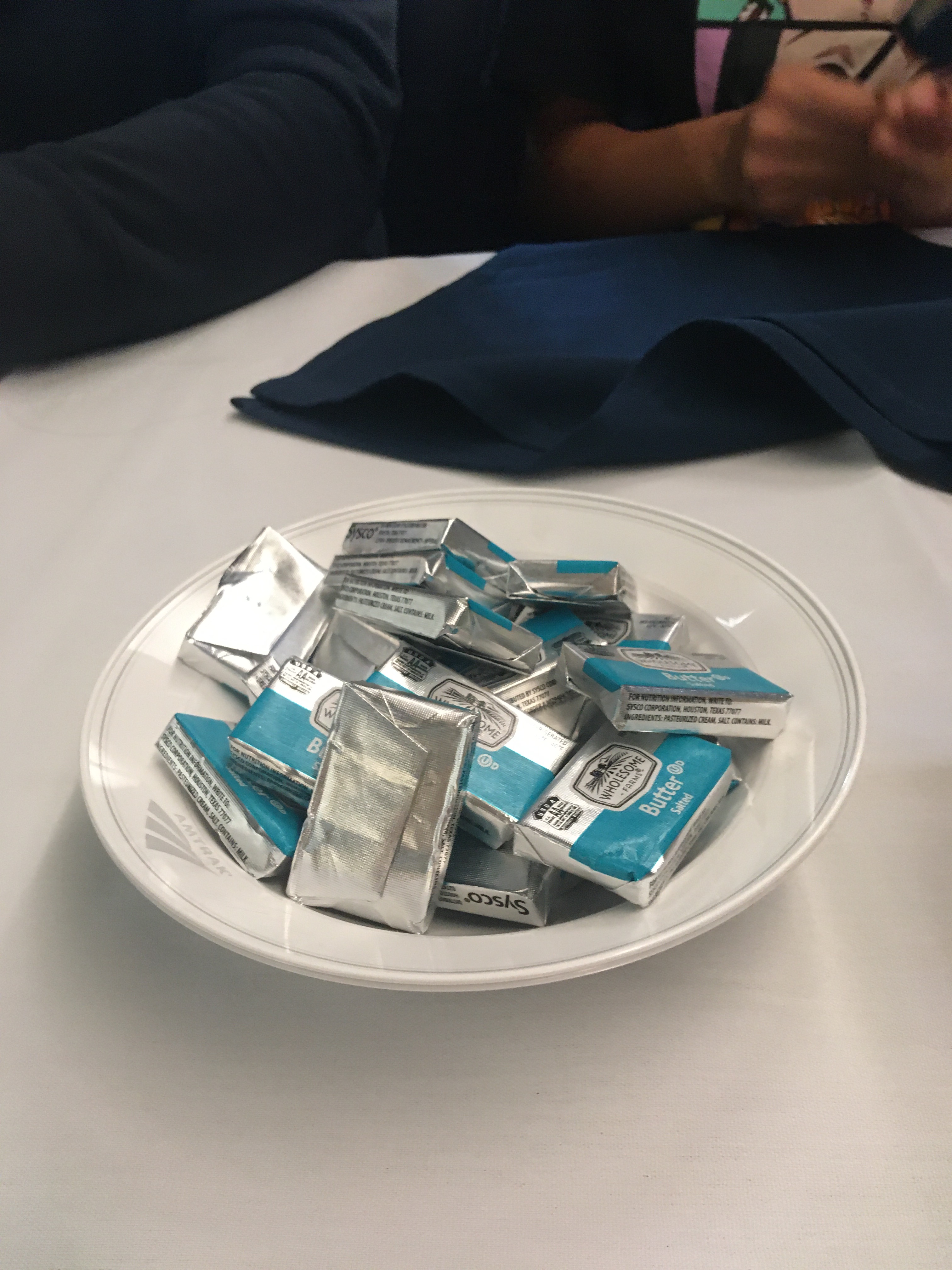
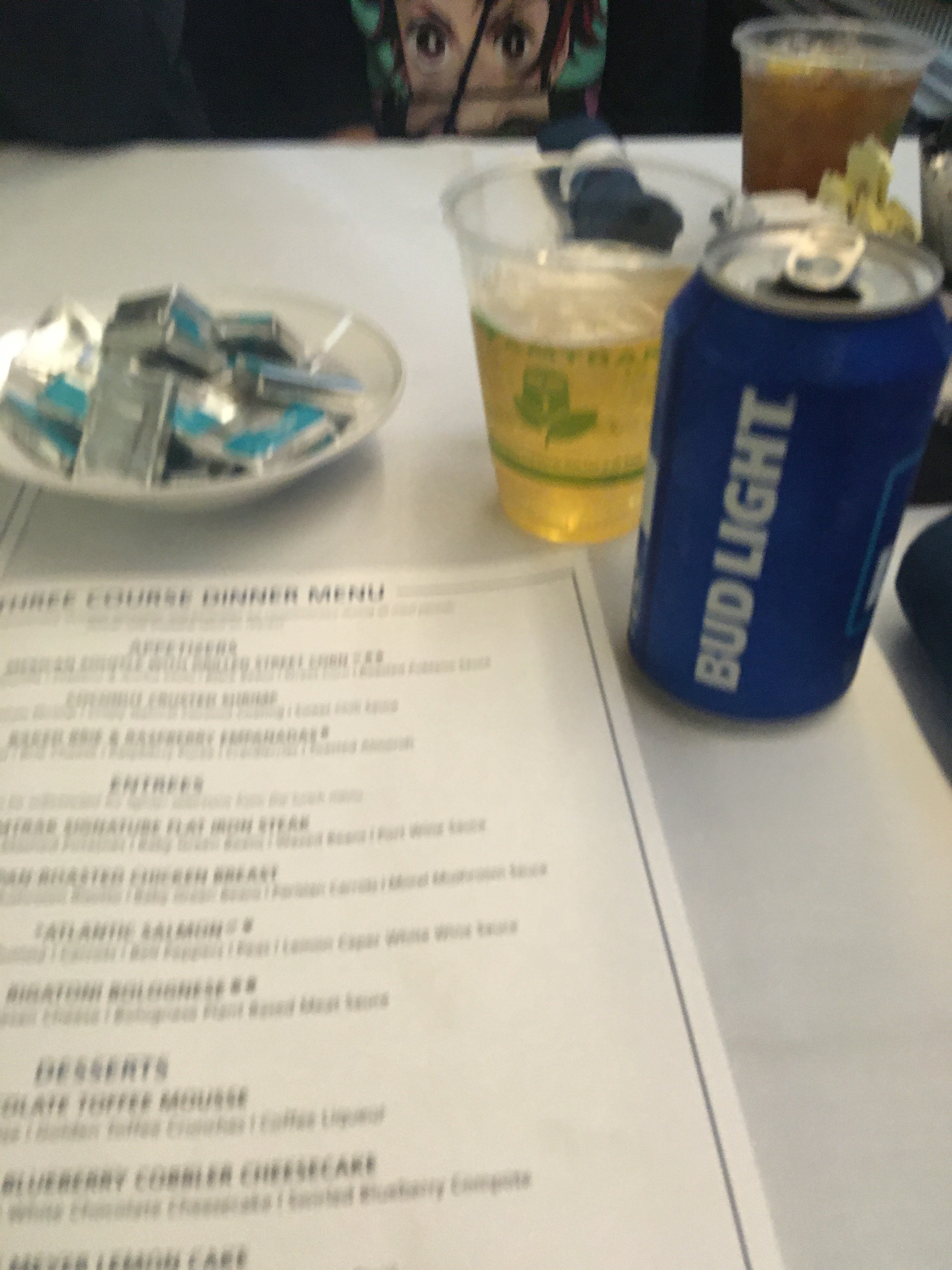
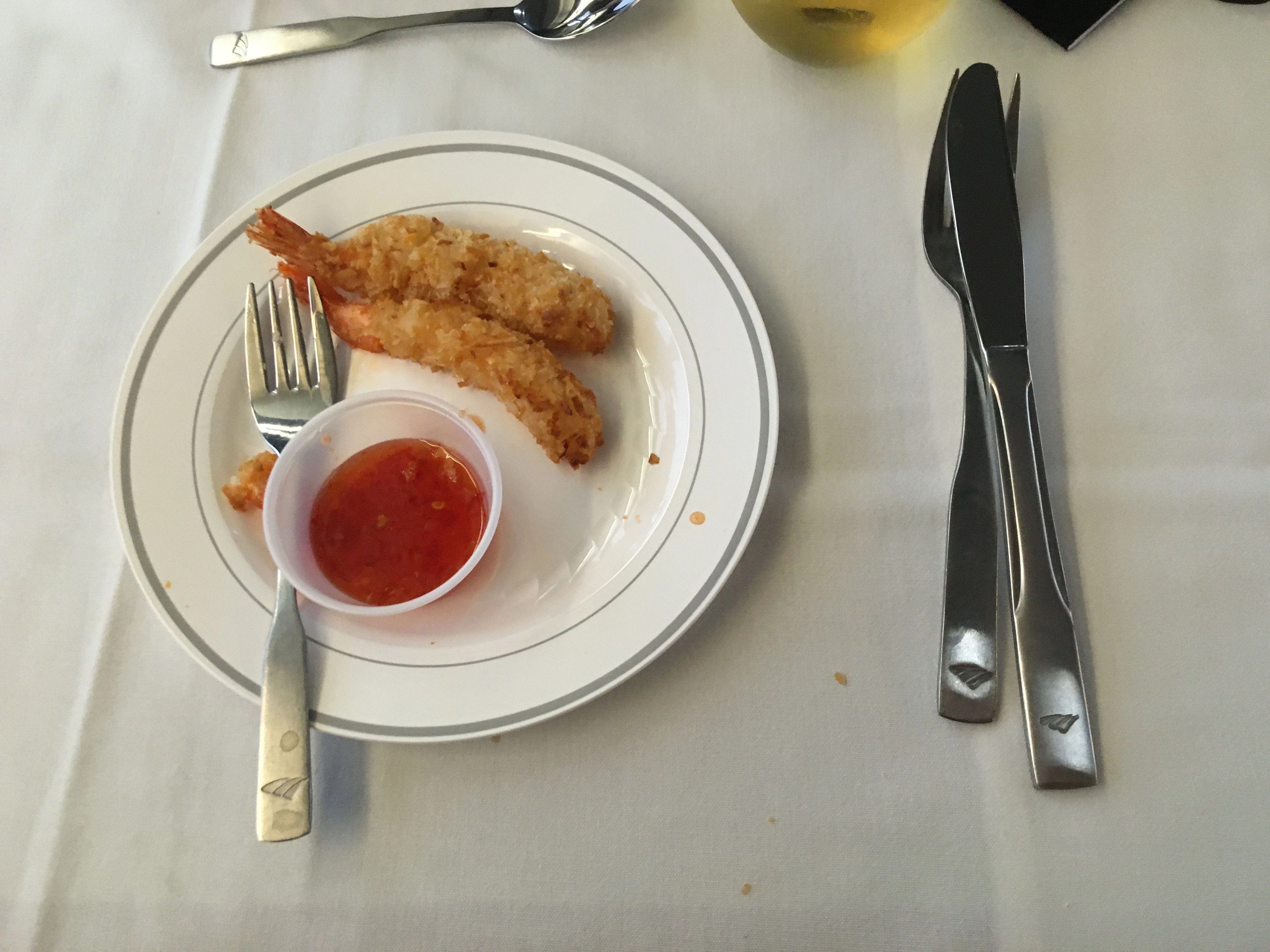
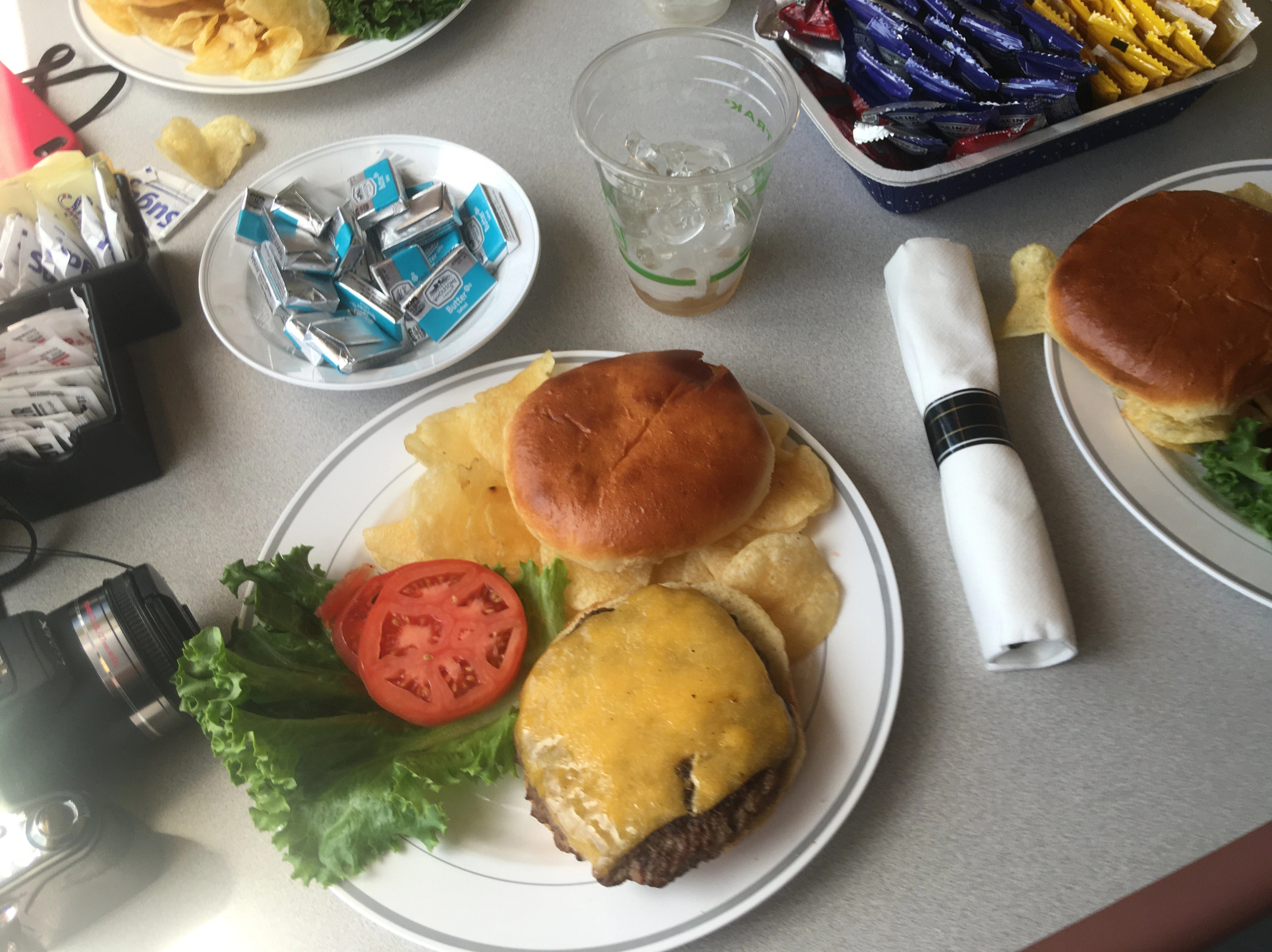
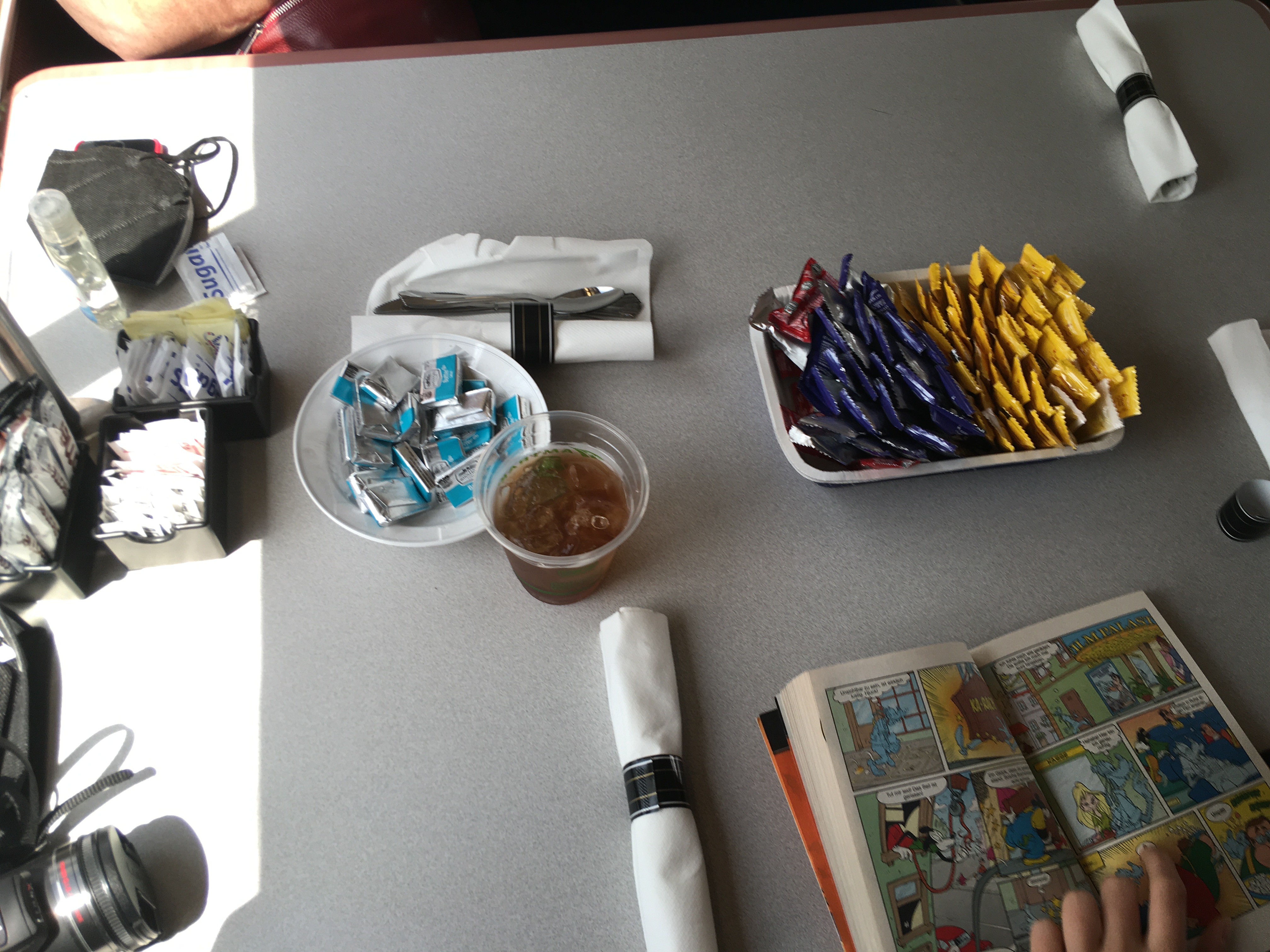
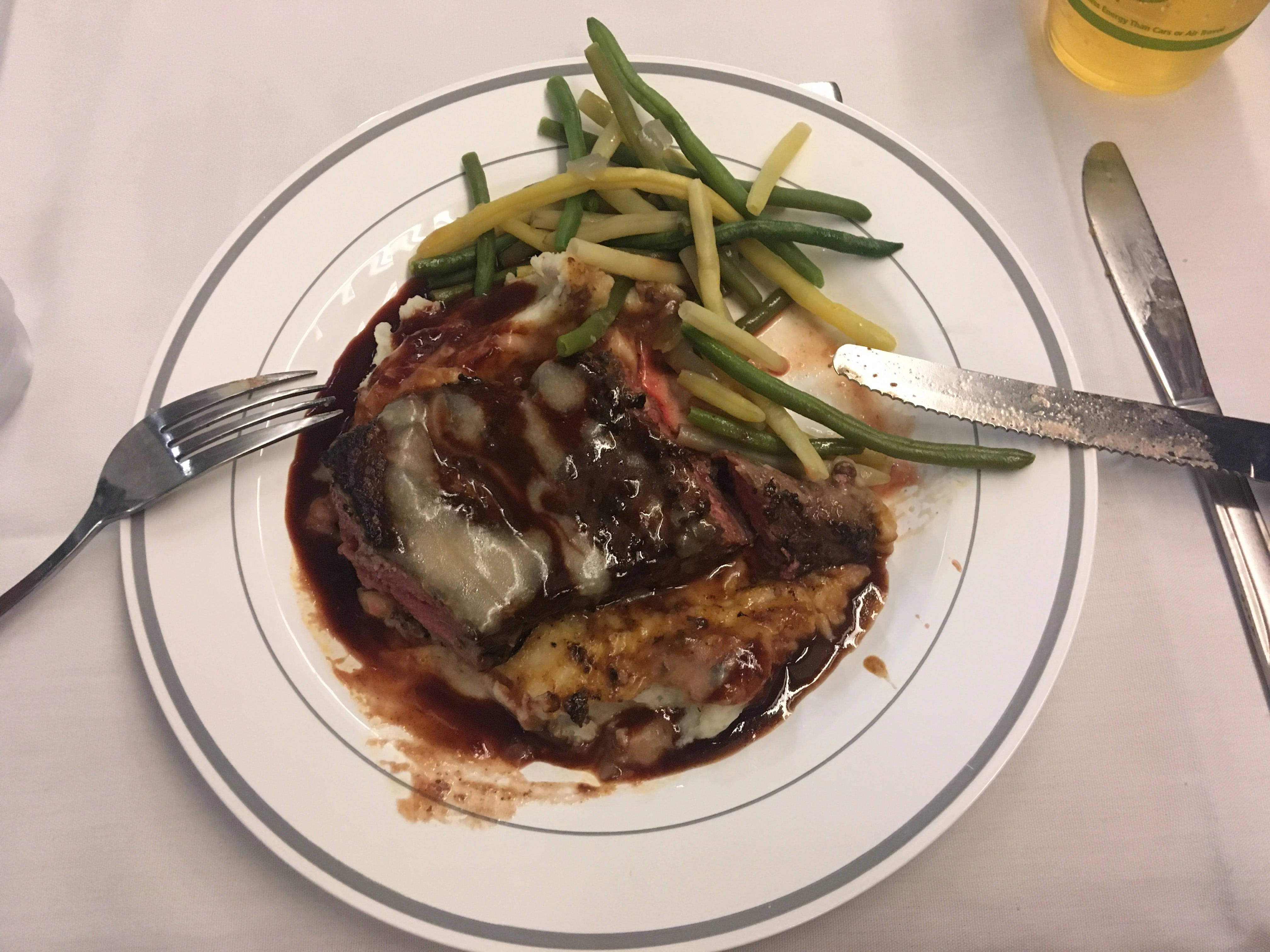
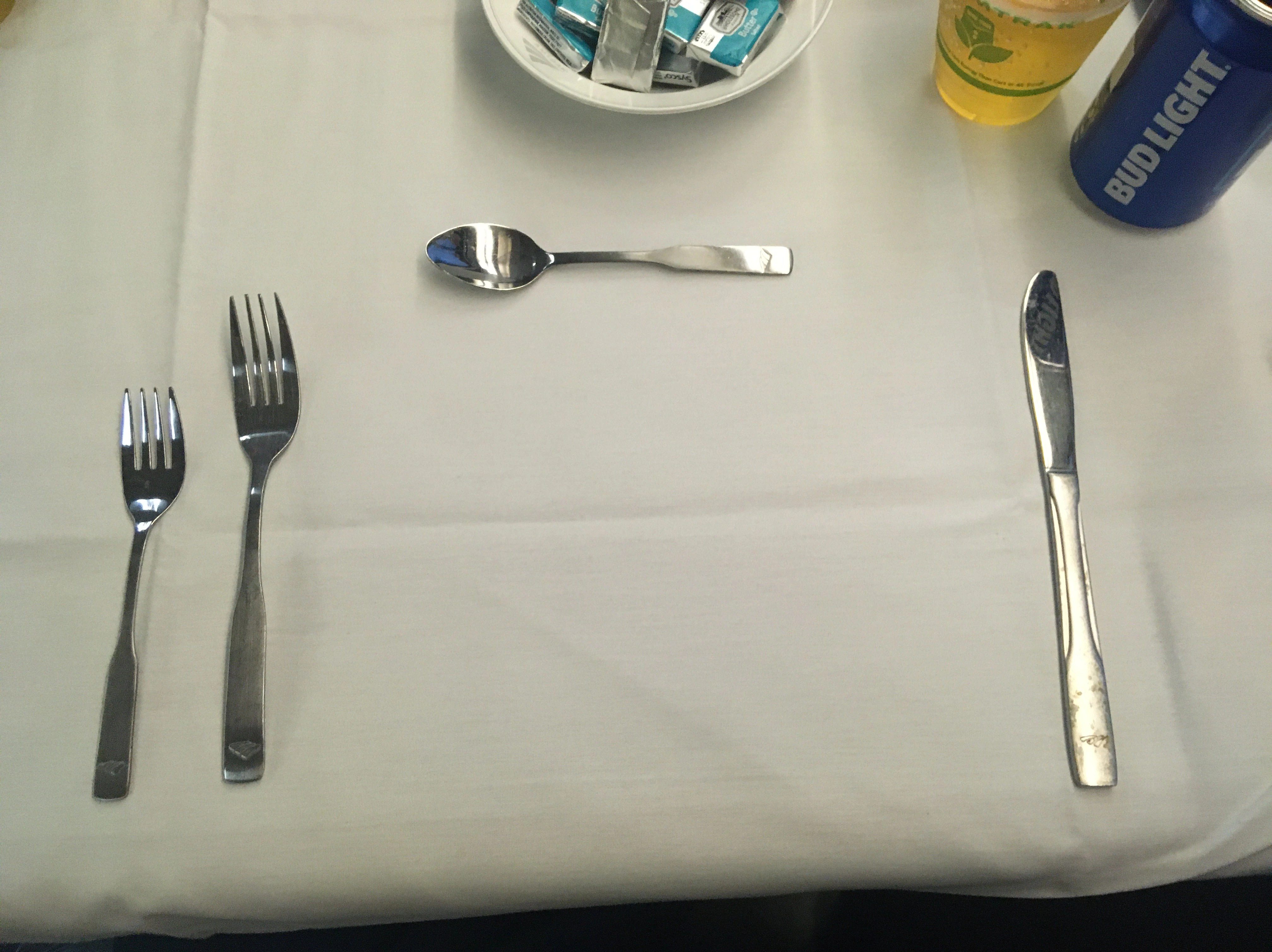
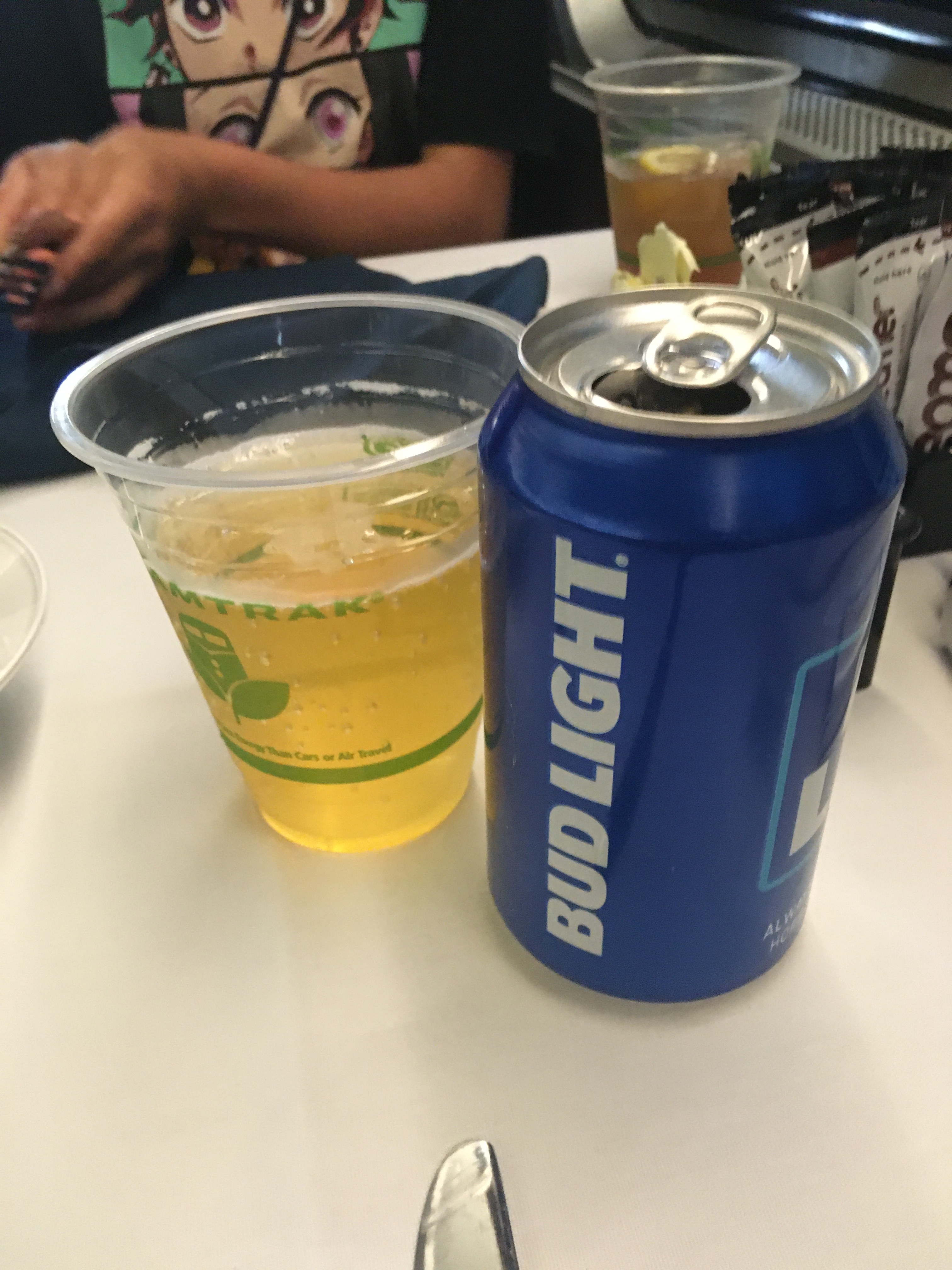
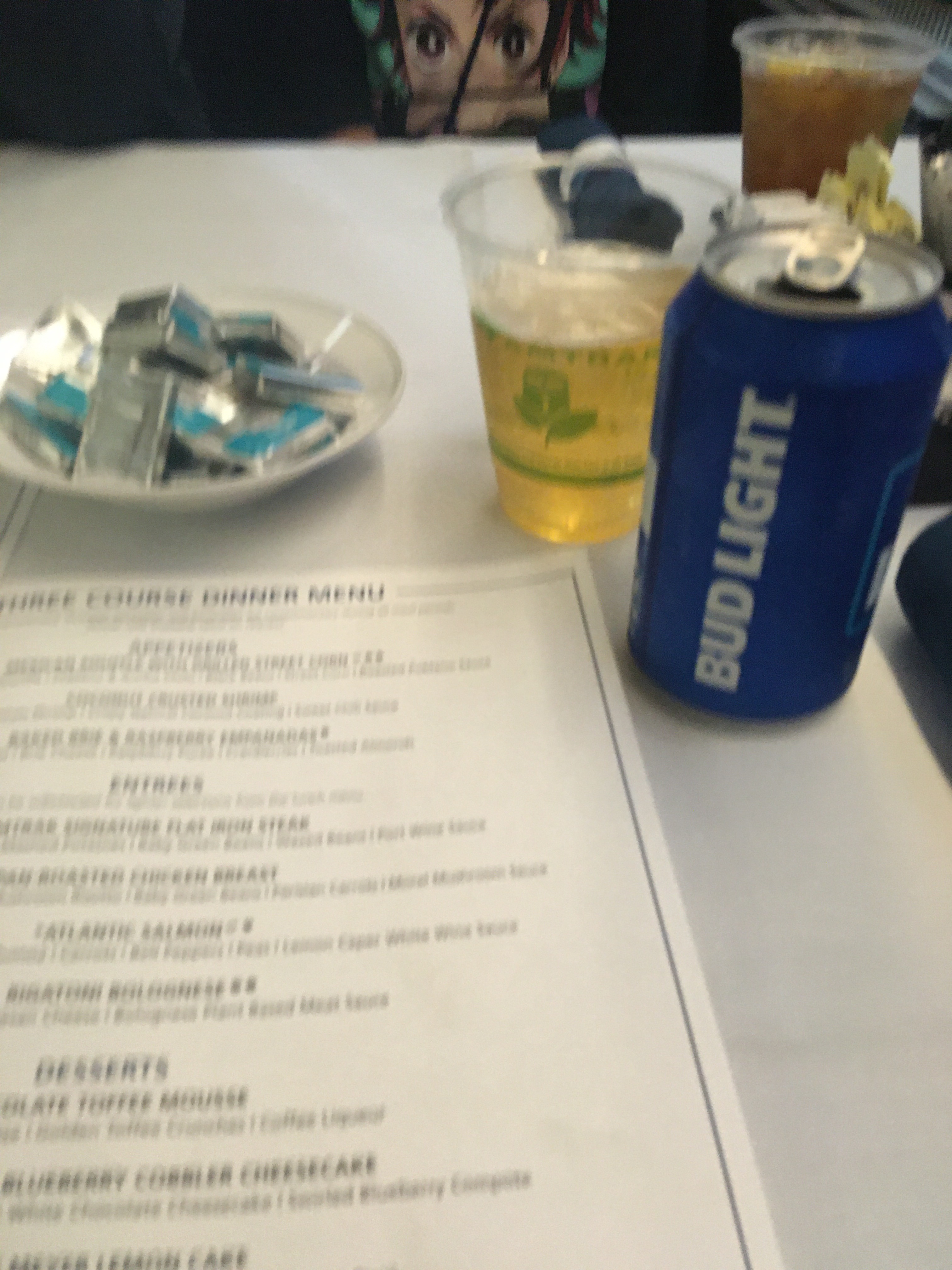
Service in the dining car was fast and friendly. There also is a café on the lower level which sells drinks and snacks all day at very reasonable prices. The attendant had quite a personality, very cheerful and friendly.
Tipping
There is conflicting information about this – and note that this trip was before “tippflation” really kicked in.
We followed the guideline of $5 per person per night for the sleeper attendant and rounded it up to $45 for the 2 ½ day trip (even though he was stingy with the morning coffee).
Tipping for dining car staff is more confusing. Some websites suggest tipping 15 to 20% of what the meal would have cost. Too bad the menus on the train didn’t have prices on them. Other sources suggest $3-5 per person. We left a dollar bill each at breakfast, $10 at lunch and $15 at dinner, and from what I observed at other tables, this was actually a little more than average.
 Pennyblog
One thought on “Amtrak’s California Zephyr Chicago, IL – San Francisco, CA”