
Departure Port
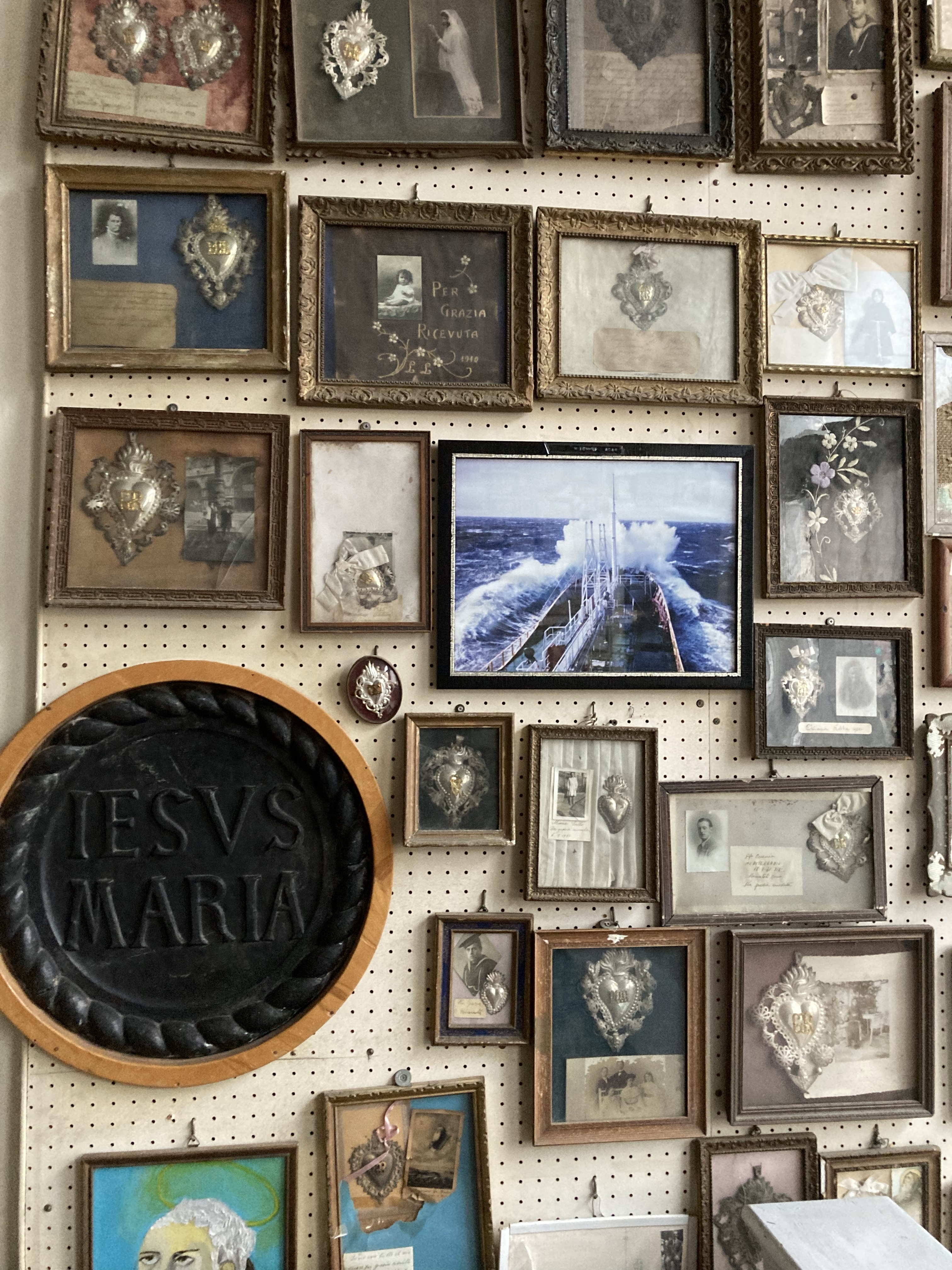
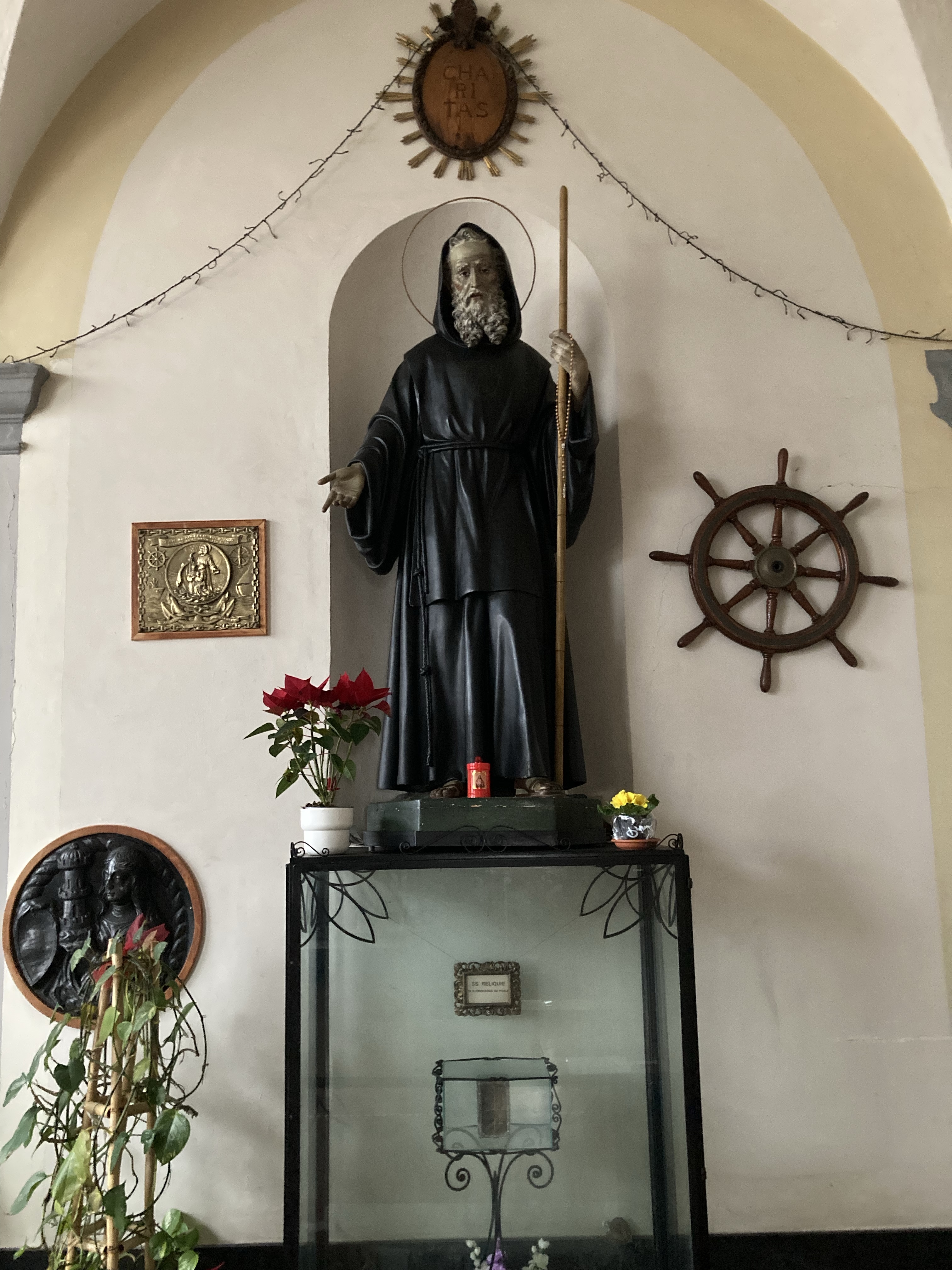
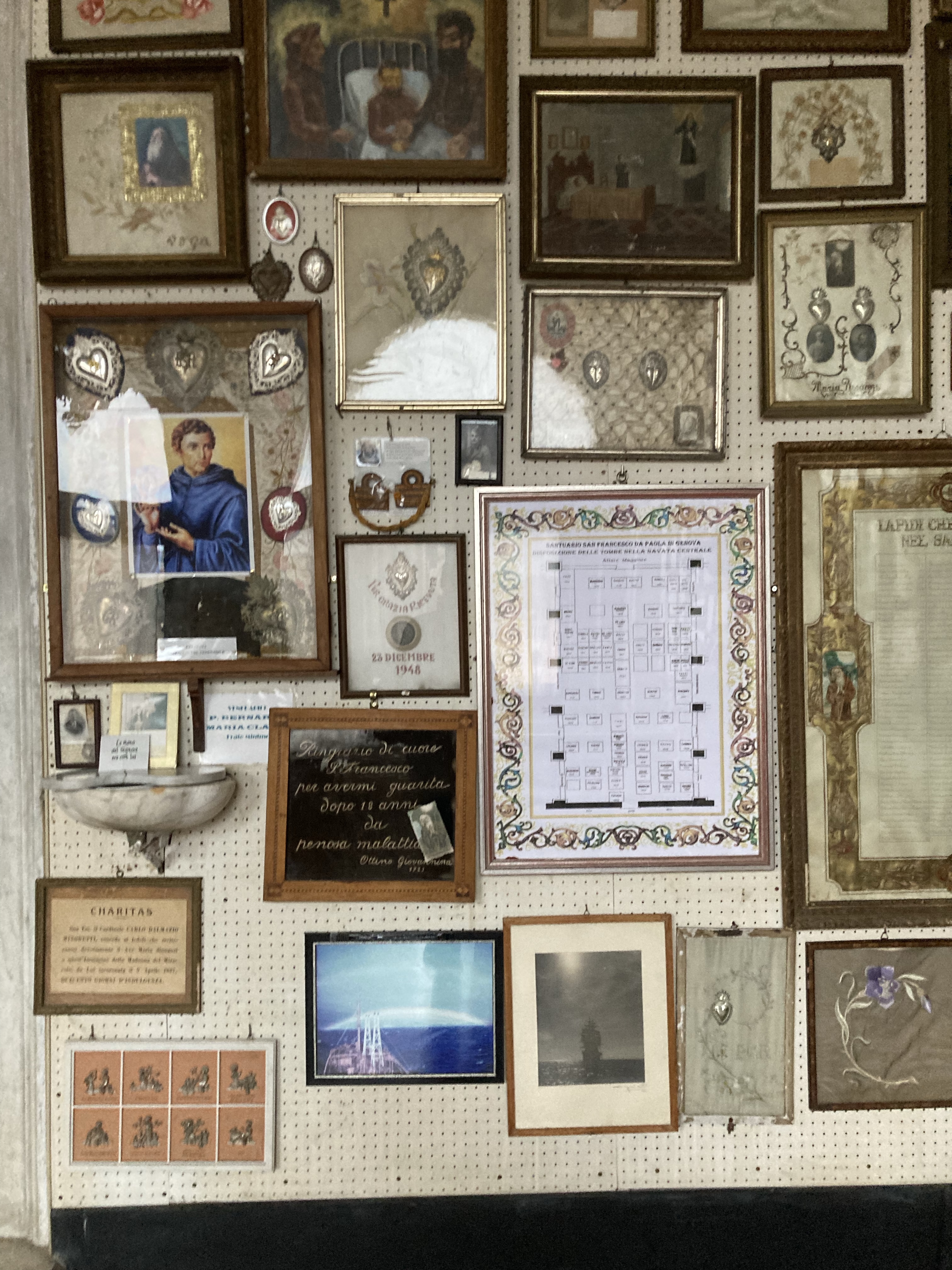
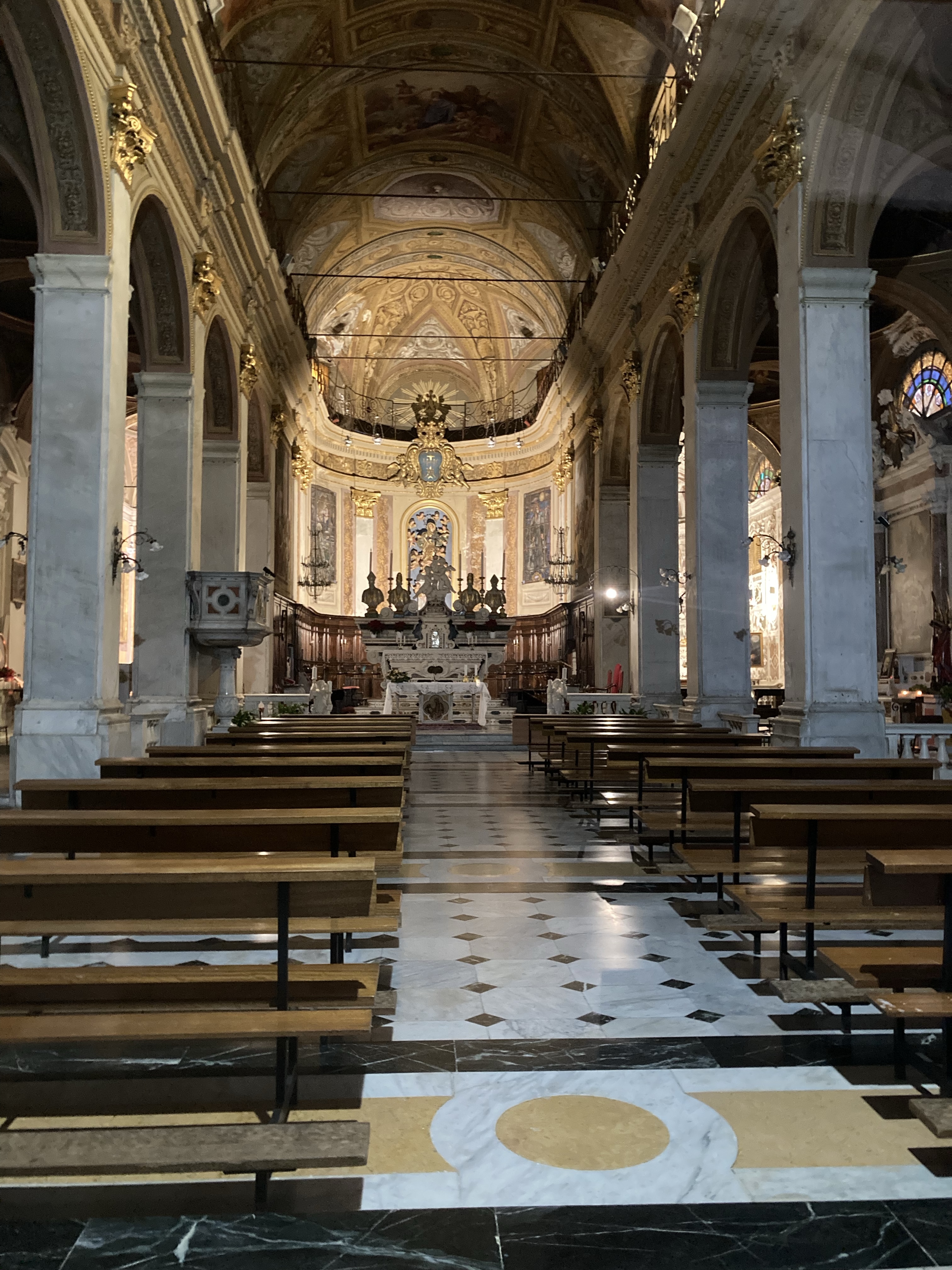
I didn’t take my own advice to never walk to a ferry port, as I wanted to pay my respects to St Francis at the Basilica of San Francesco de Paoloa first. The church is an important place of pilgrimage on a terrace overlooking the port of Genoa. The vestibule is beautifully decorated with maritime votives. This seemed a fitting place to visit to celebrate ten years of safe ferry crossings around the world, including the Straits of Gibraltar, Iceland, Japan and Korea.




A friendly gentleman told me that it was an easy walk from the church to the ferry port. It was indeed just a 10-minute following the stations of the Way of the Cross backwards to reach the Dinegro Metro station. From there it’s just another five minutes on foot to the Ferry Terminal (Terminal deli Traghetti).
Check the photo descriptions for step-by-step directions:

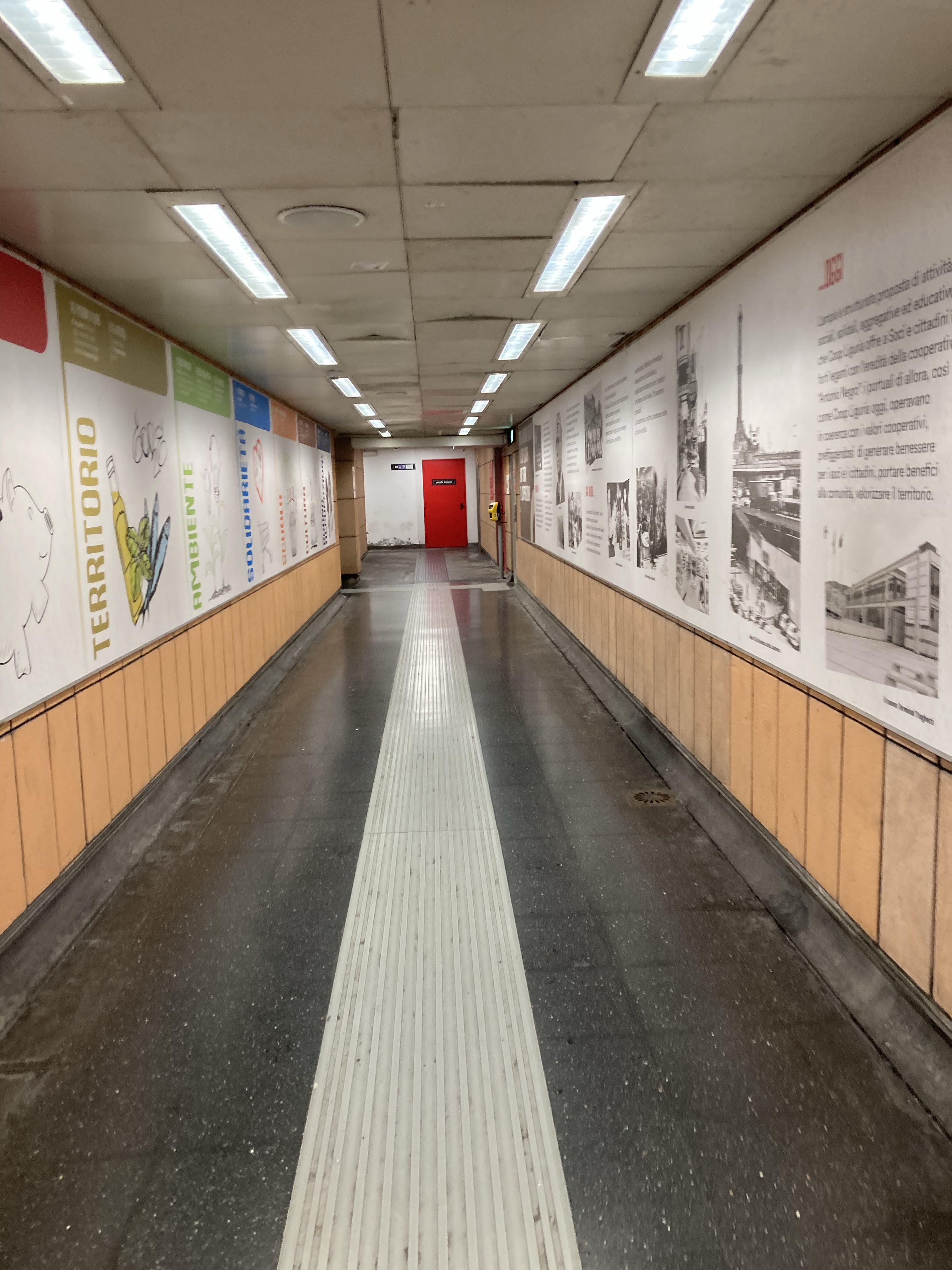


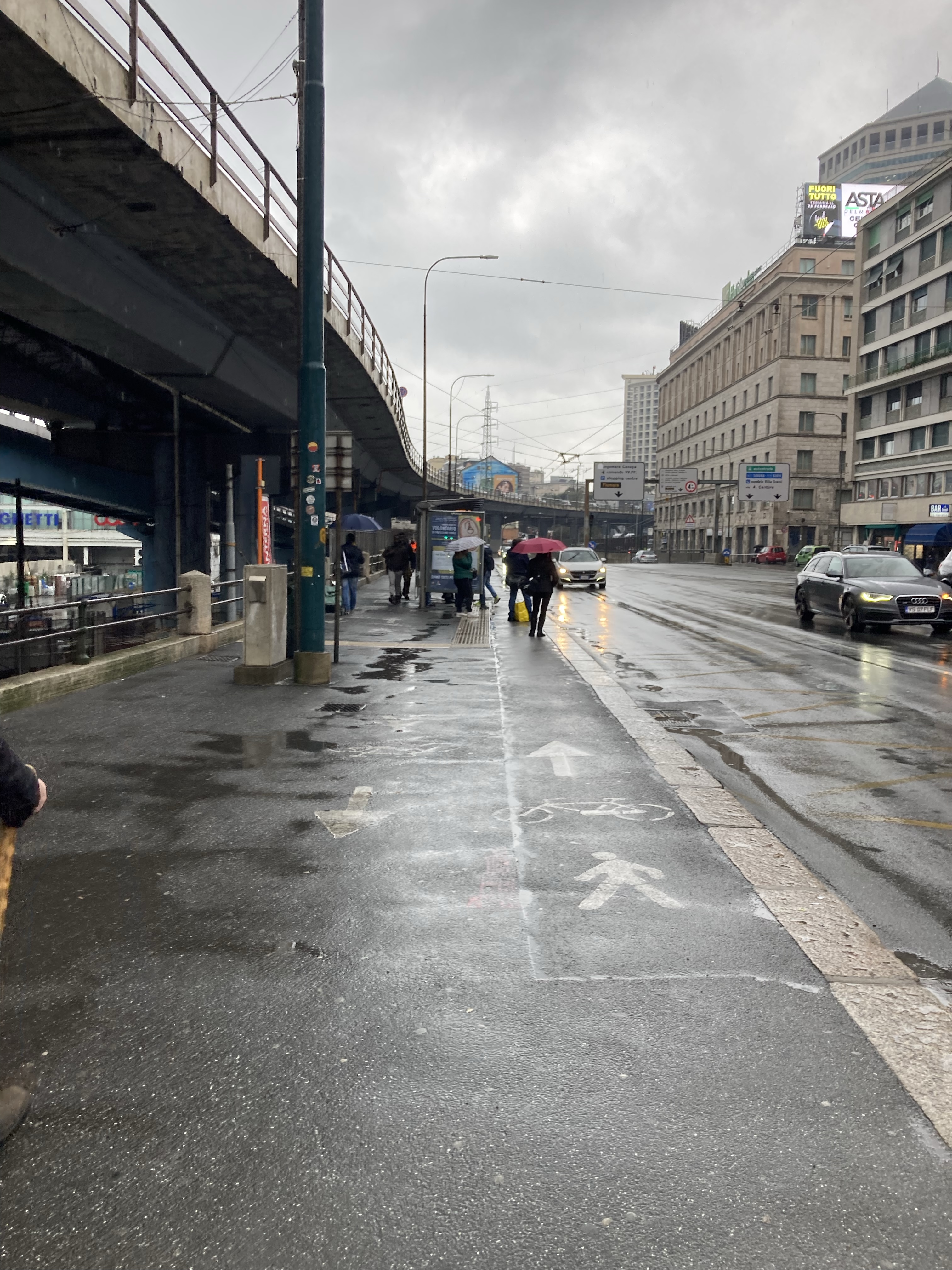
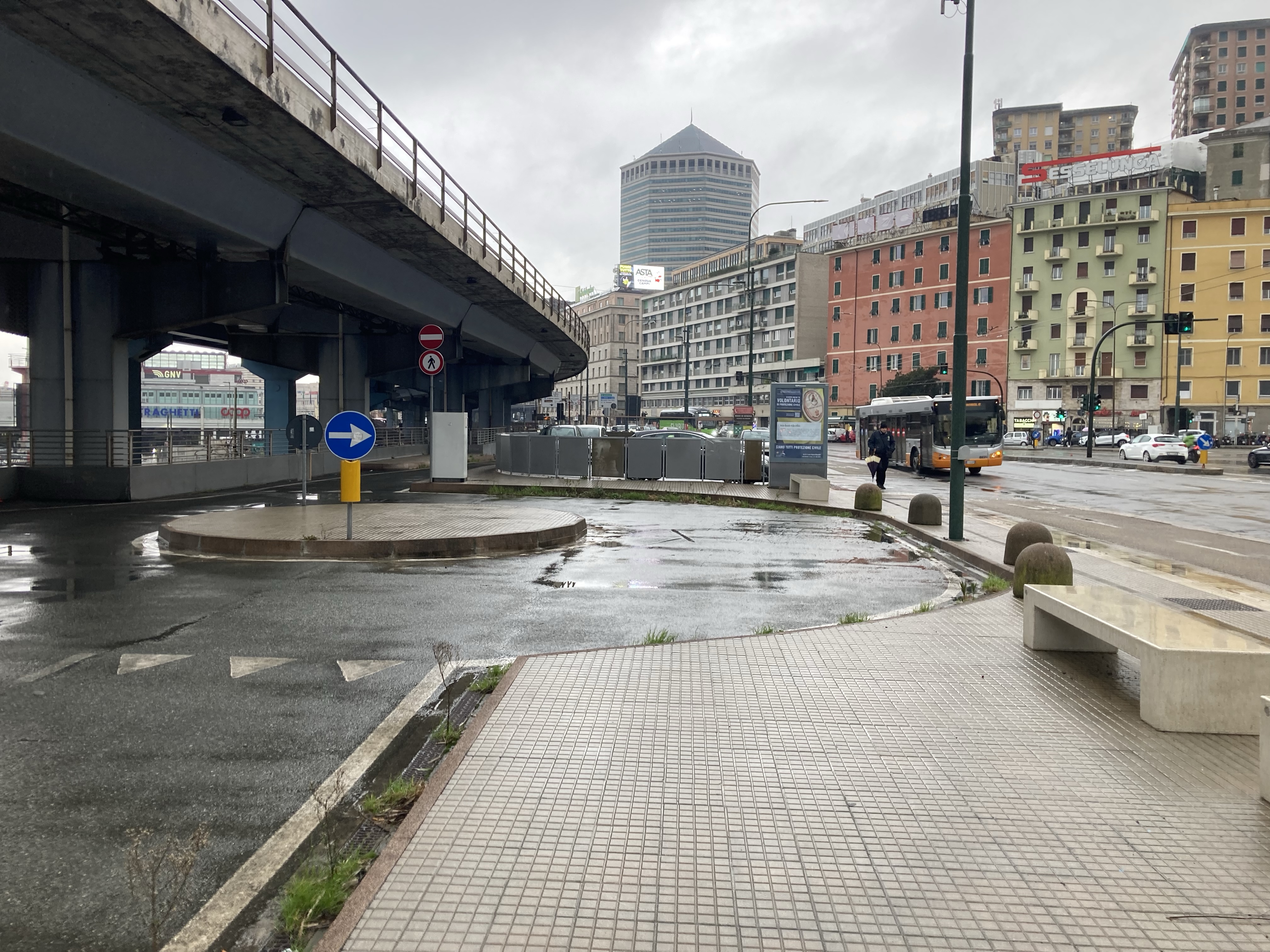
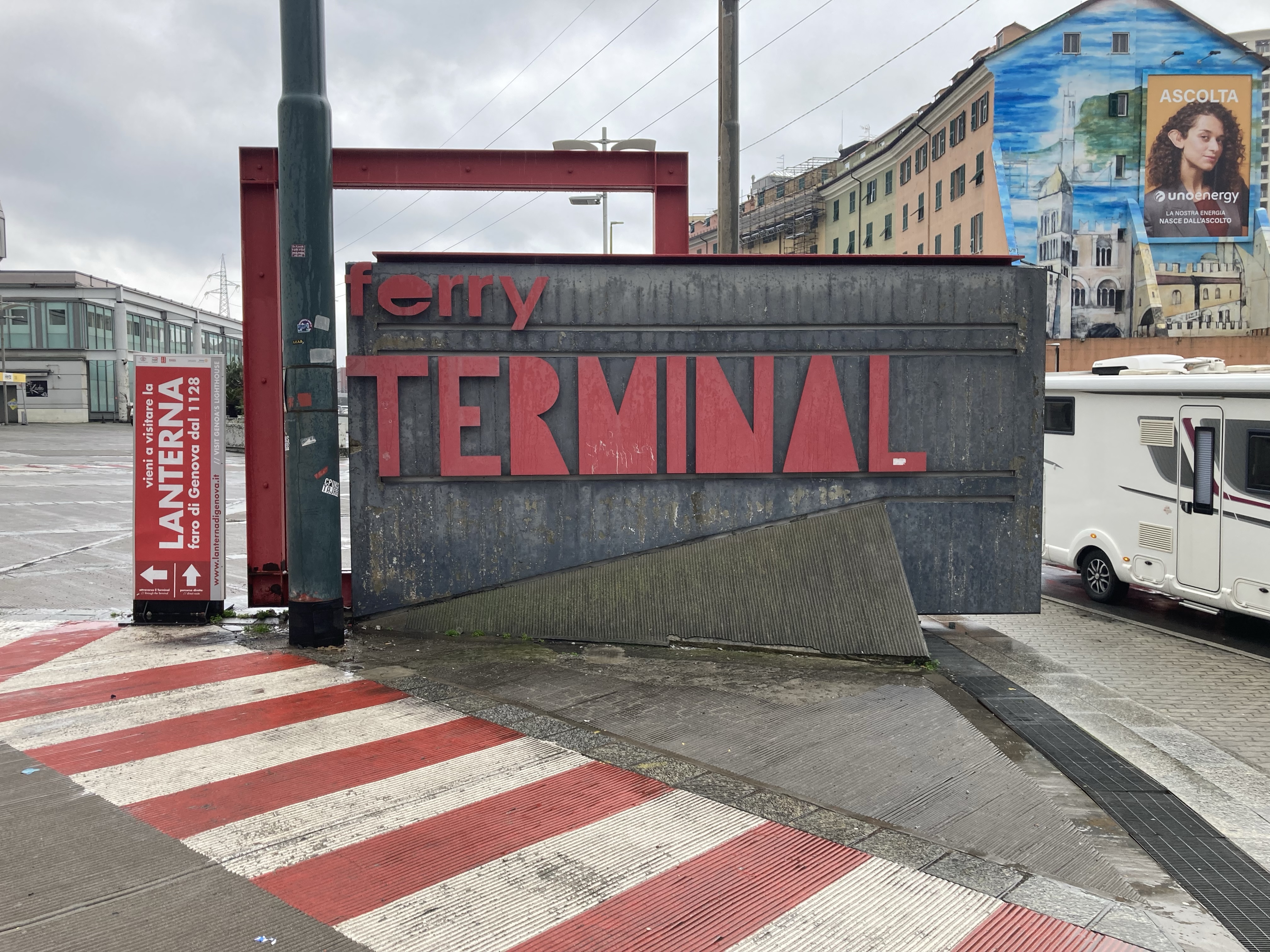

The ferry terminal resembles a regional airport, with ticket offices and check-in counters for CTS, GNV, Moby Lines and Tirrenia. There is a Coop supermarket, a newspaper kiosk, a dry cleaner, a pharmacy, a McD and a few other shops.

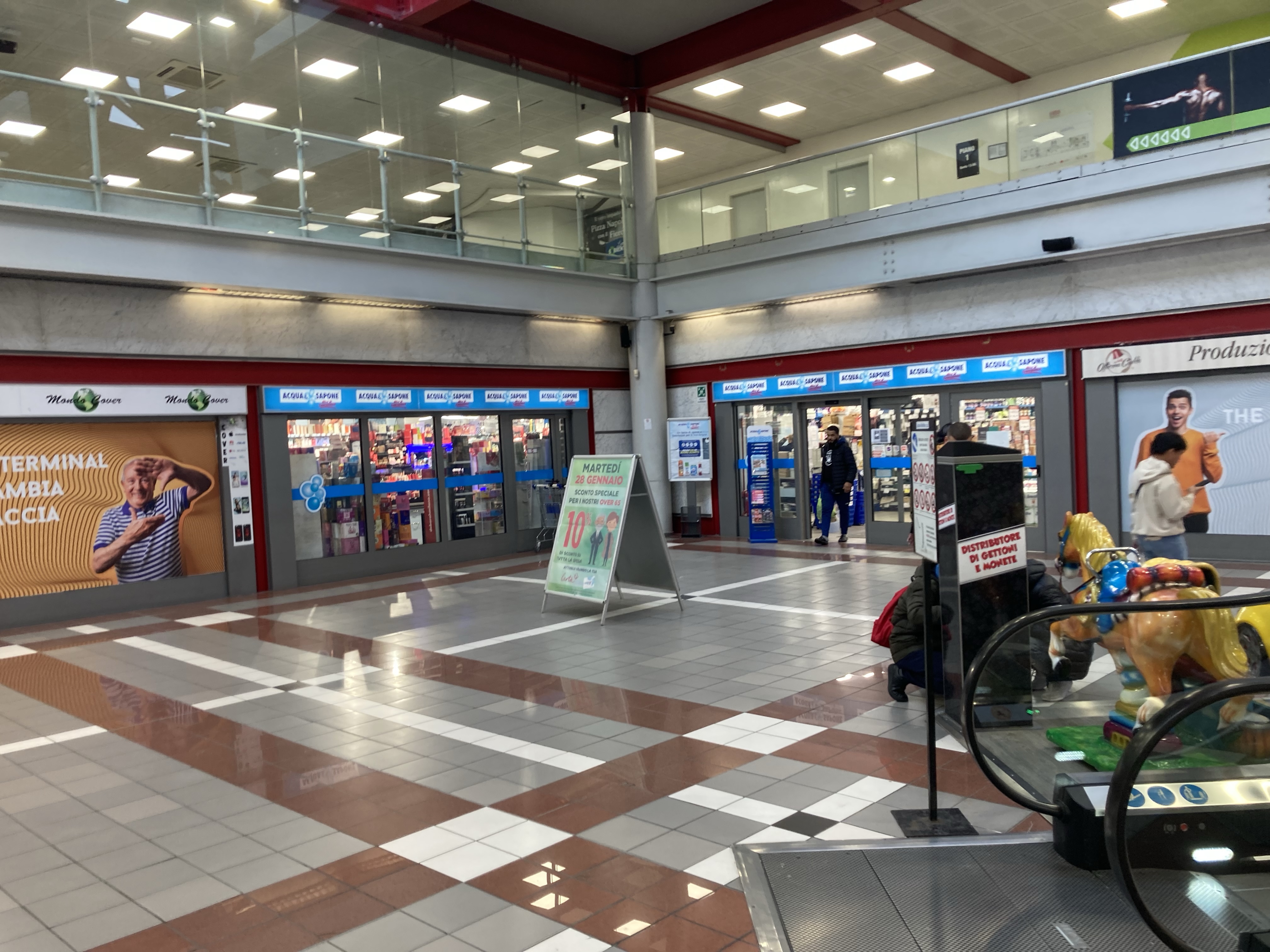


Once inside, I found myself embroiled in a scavenger hunt that would be a theme throughout the trip.
First, I went straight to the GNV desks on the first floor, hoping to check in, but was told by the agent to go to a certain Gate 1, accompanied by an incomprehensible – and emblematically Italian – gesture pointing away from his desk. Following these vague instructions, I wandered around the terminal following signs to Porta 1 and ended up outside in front of a barred gate next to a pile of old traffic signs. Resisting the urge to steal a senza unico sign, I trotted back into the terminal. There a helpful security guard told me to pass through her checkpoint and then follow an elevated footpath across the port. She quickly checked my ticket and passport, but wasn’t interested in my luggage.

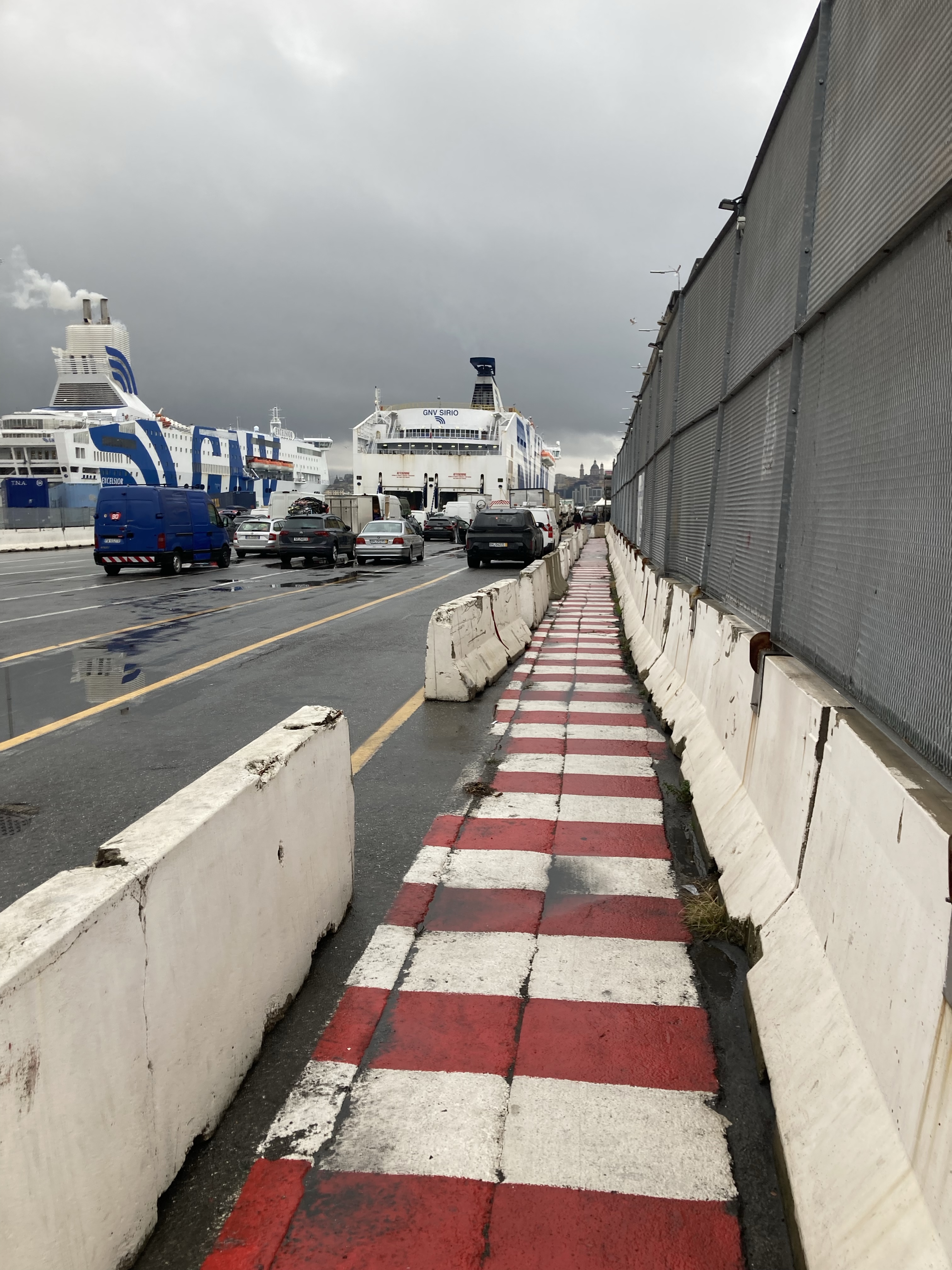
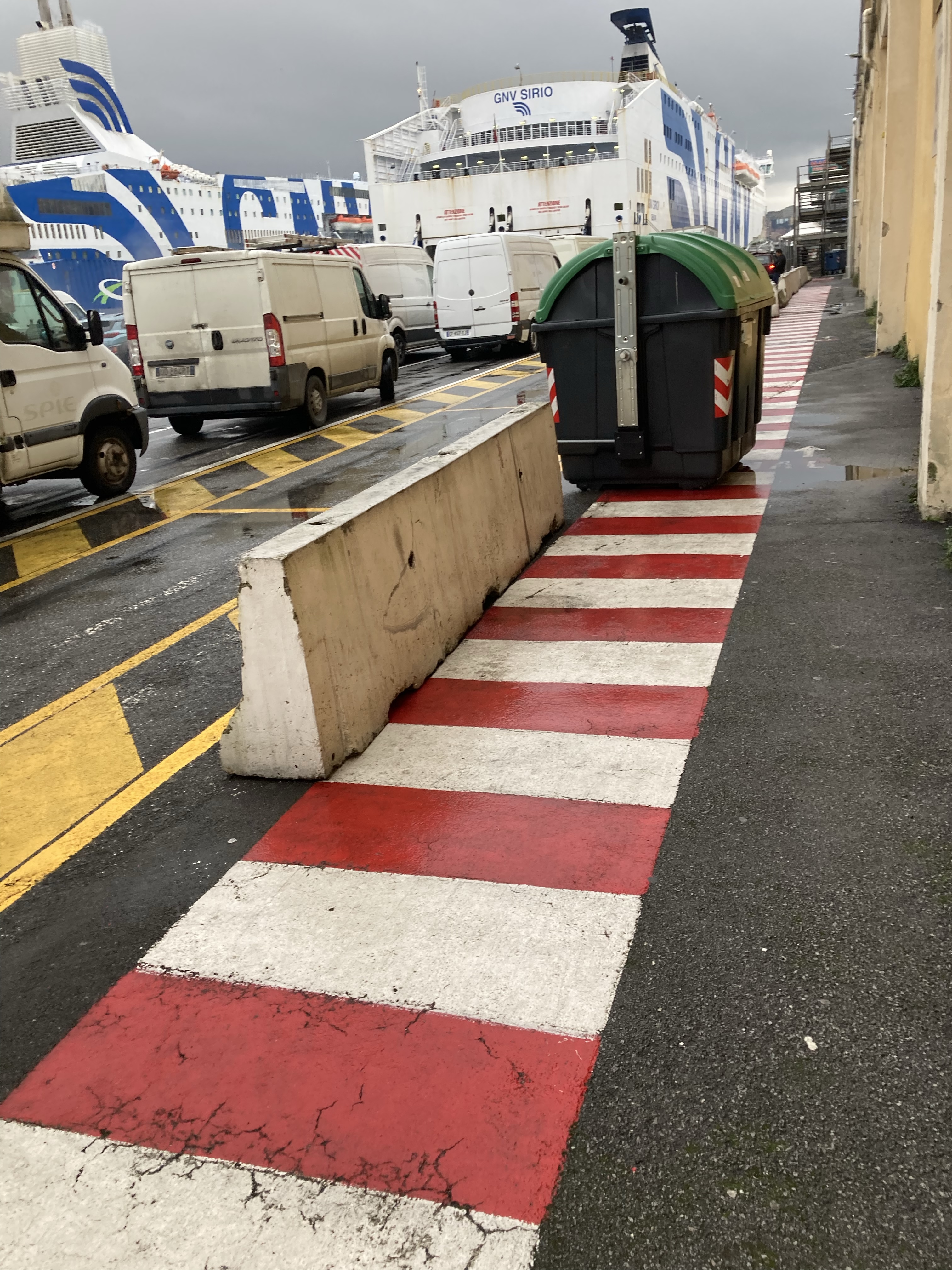
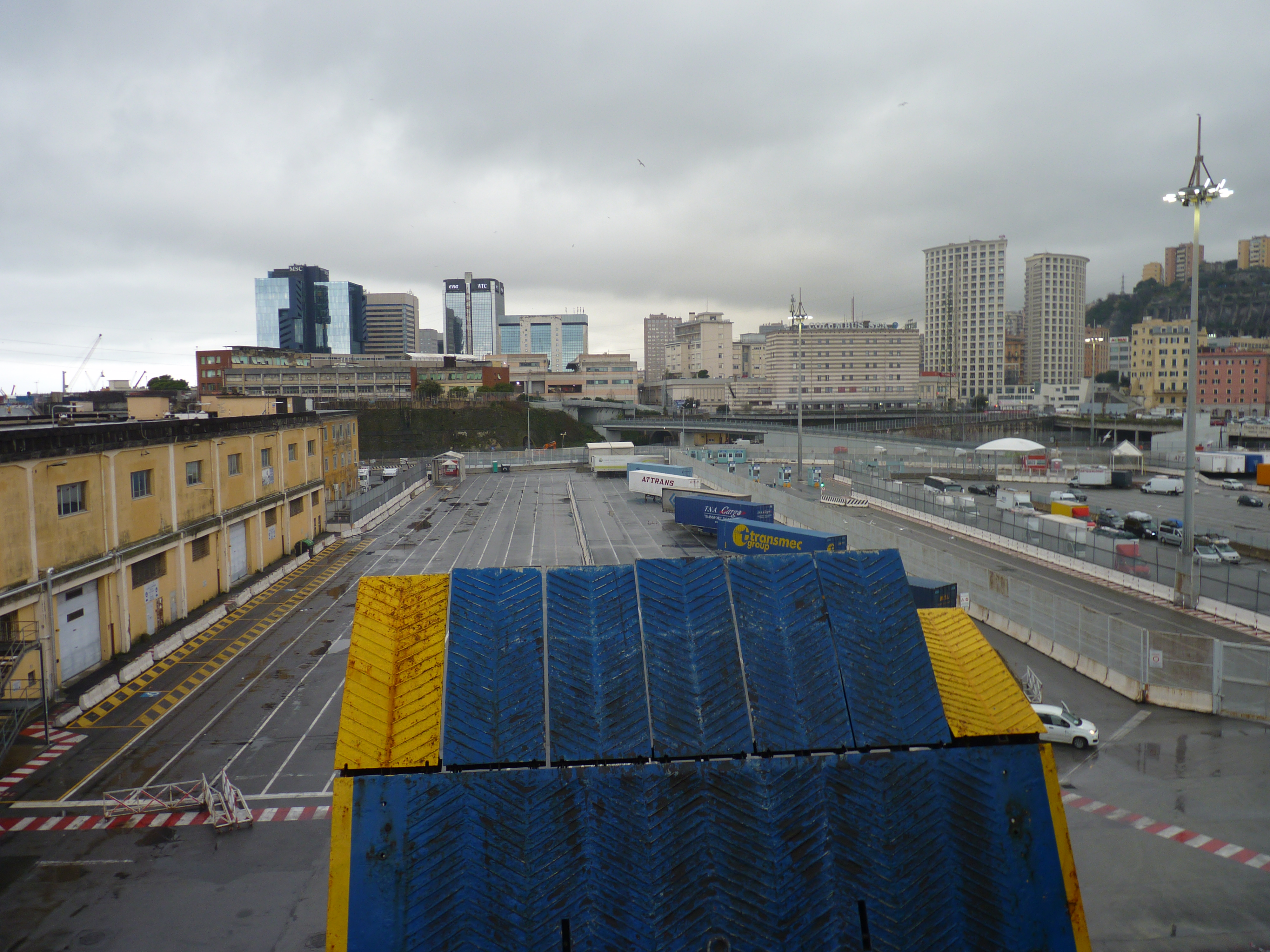
The chase continued for a few hundred meters, where I descended a flight of stairs to a makeshift terminal structure of portacabins and tents. I was told by another security guard that this was indeed the wrong terminal and that I should go to “the building on the other side”. This again rather vague direction lead to a another few hundred meters of walking to a more permanent structure called the Stazione Maritime Genova. Quite a hike, but everything was clearly signposted and the path was also marked with red and white stripes. Still, I wouldn’t have enjoyed doing this walk in the pouring rain or under the merciless Mediterranean sun.

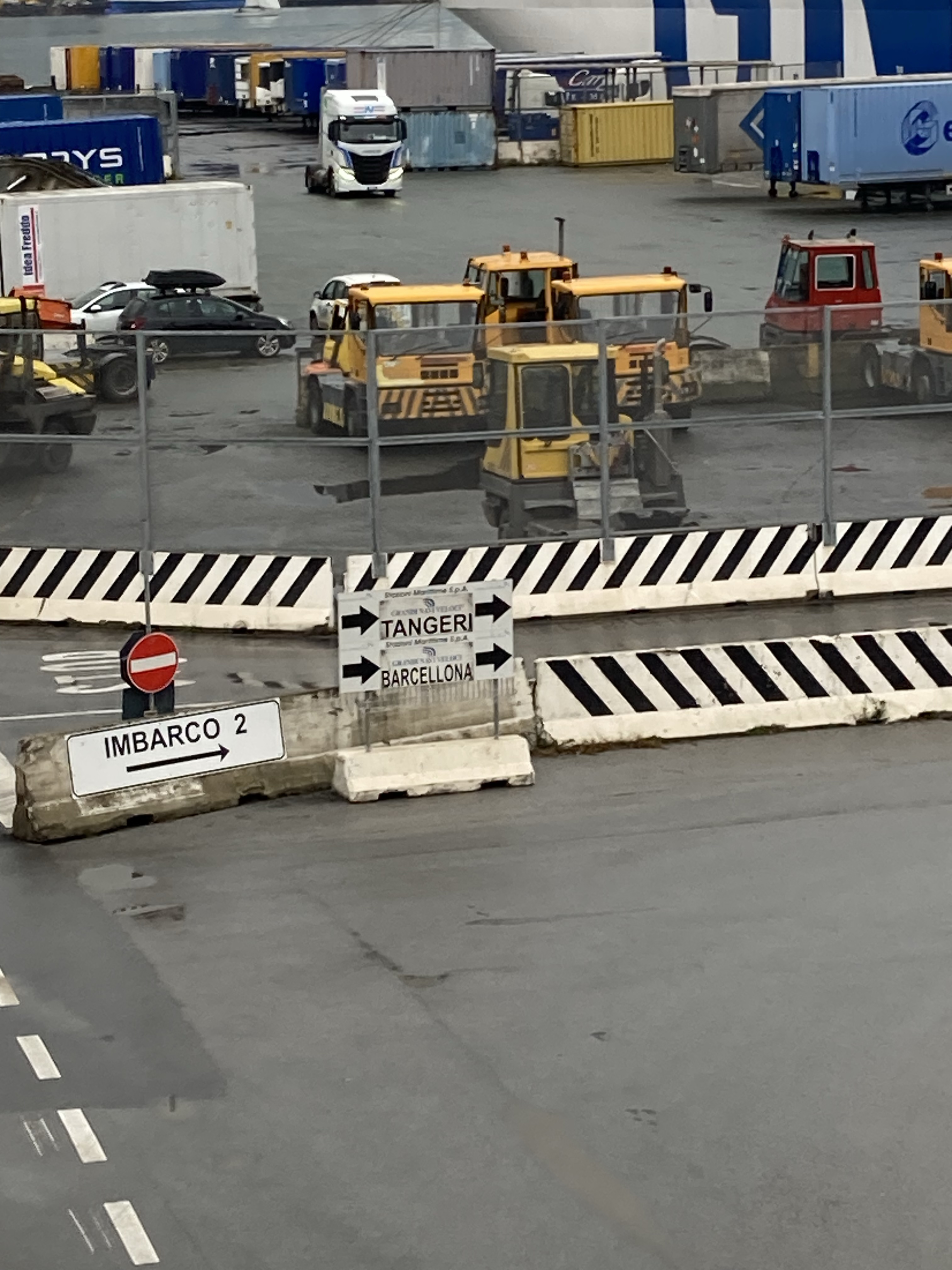
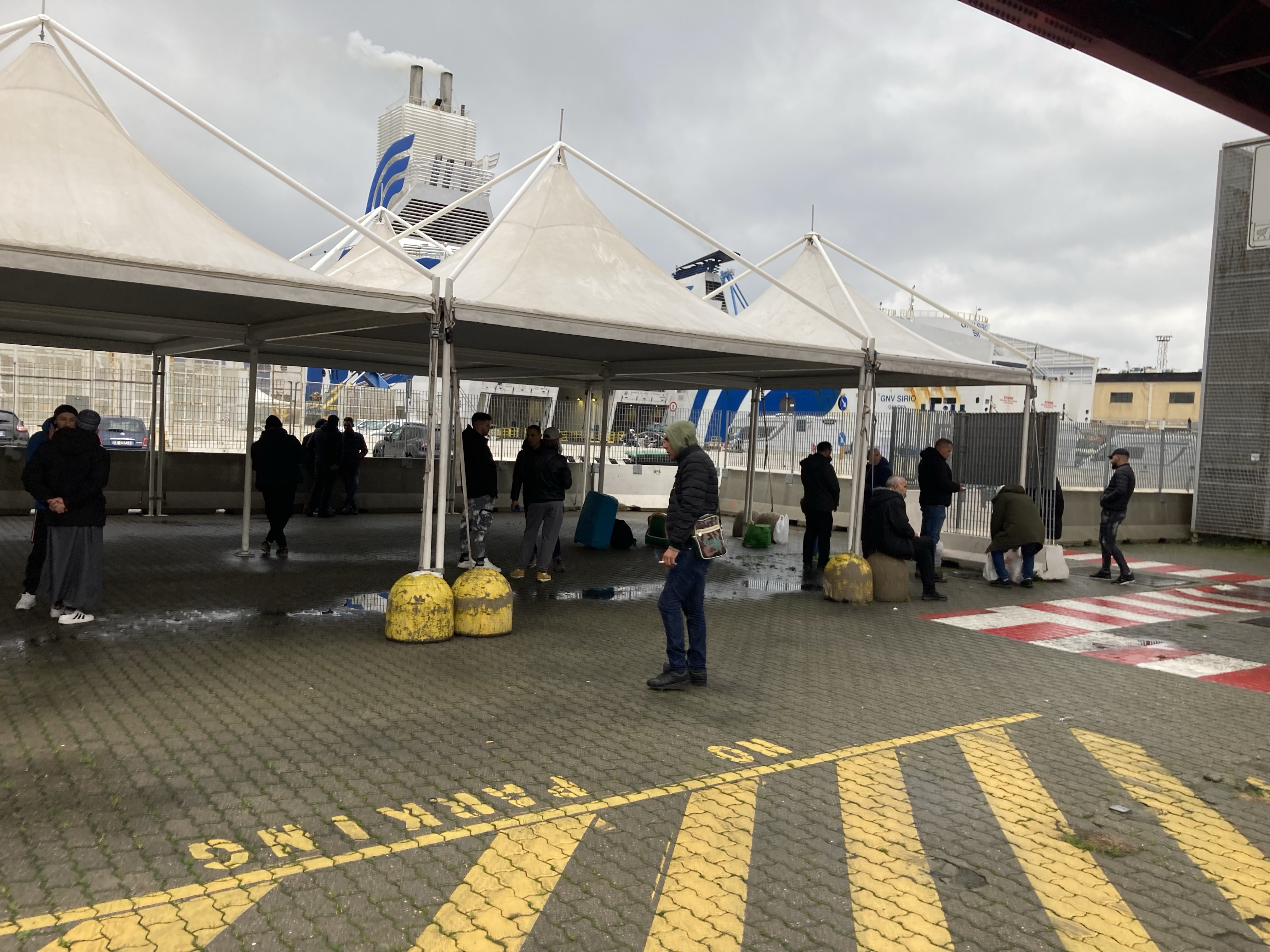
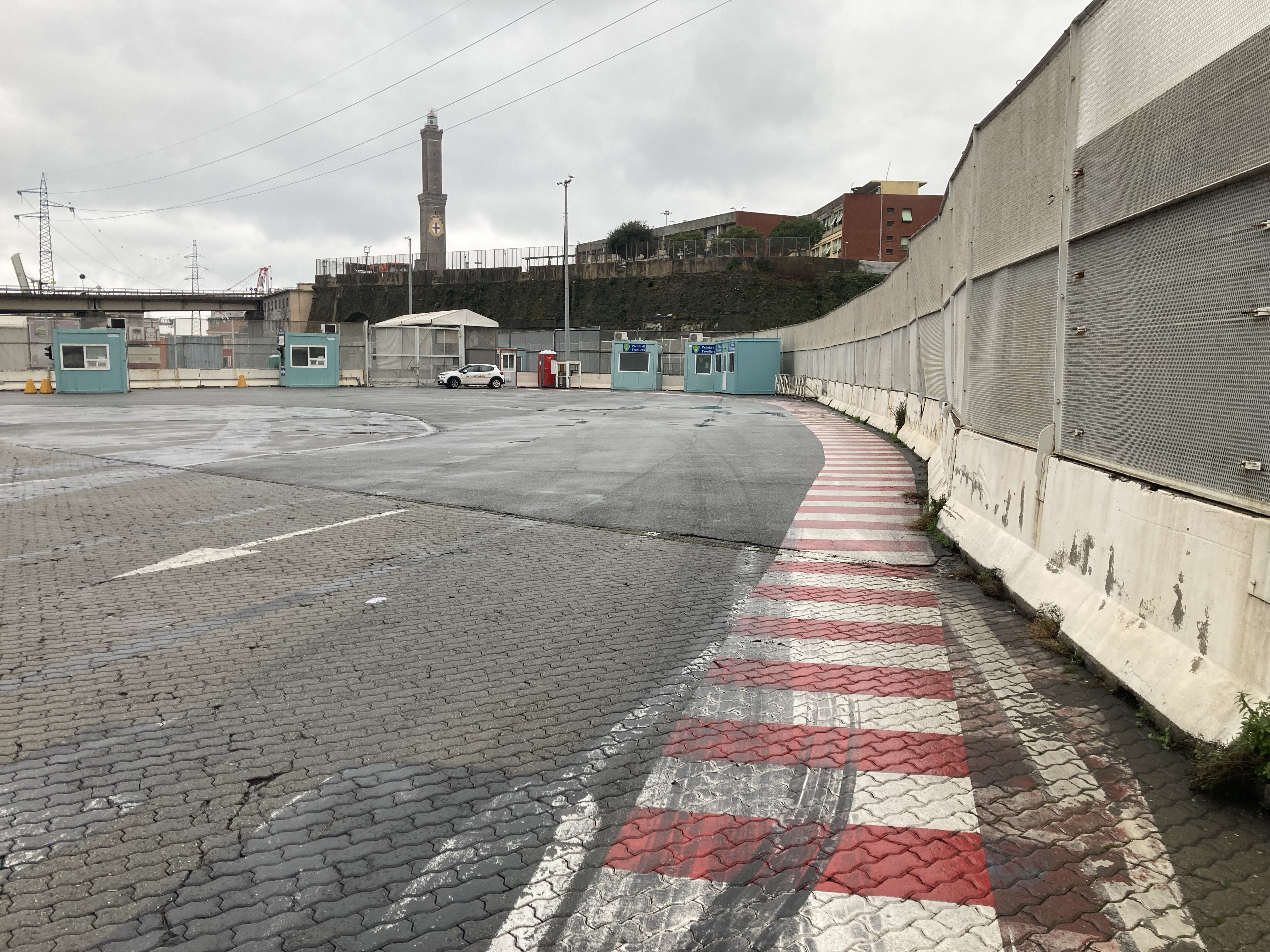

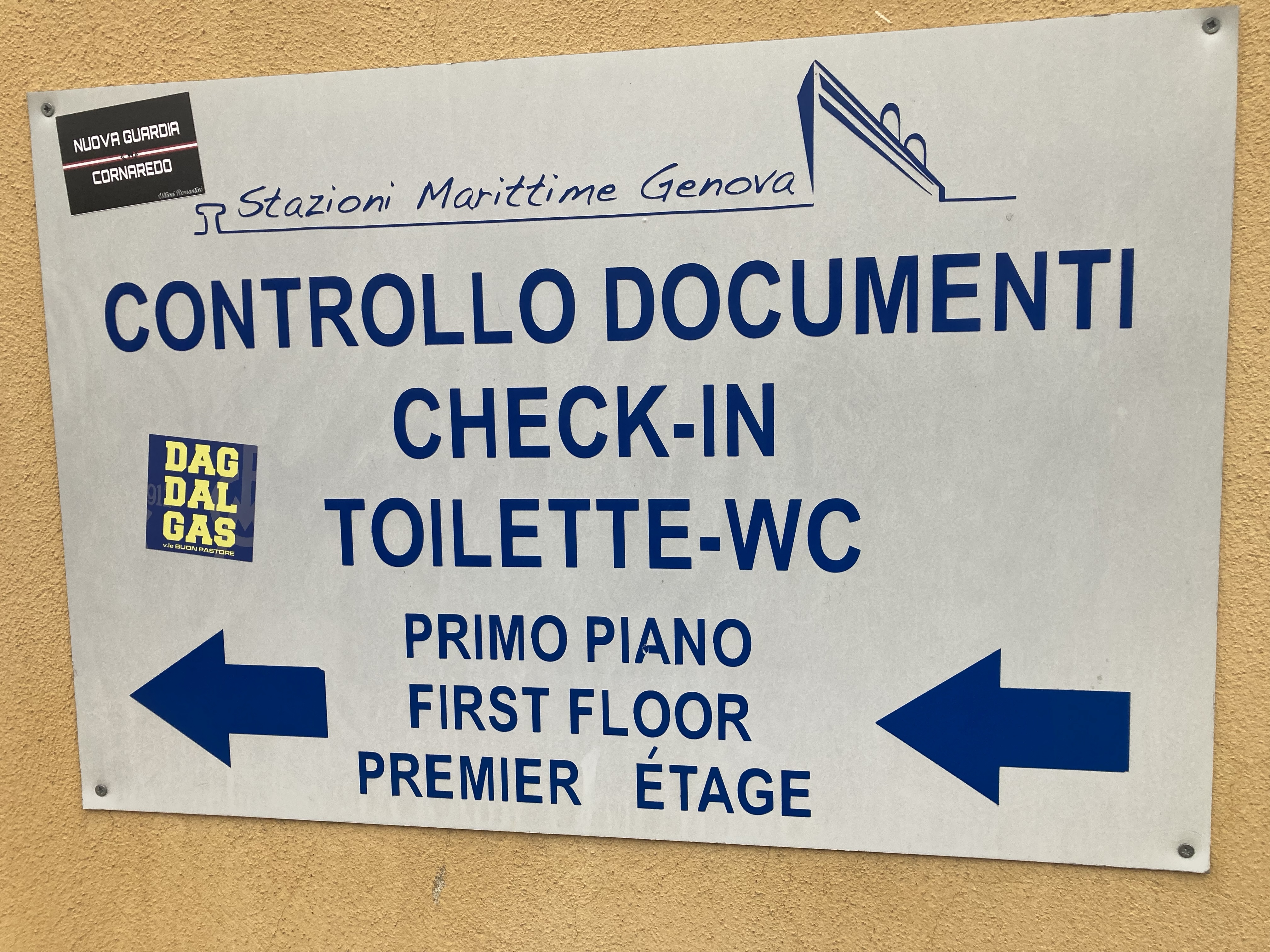
I continued with the scavenger hunt in the building, where a notice in French stated to complete:
1) Check-in
2) Police (i.e. Immigration)
3) Customs.
So I did and went to the GNV counters on the 1st floor where a very organized agent issued me with a boarding pass and meal vouchers (which I had prepaid). She also charged me 12 EUR for a Tunisia Disembarkation Supplement. Keep the receipt until you arrive in Tunisia. Don’t let the security guard tear it off the boarding pass part of your printout, don’t let the cashier in the onboard cafeteria keep it with your meal voucher. Maybe printing all those documents together on one single thermoprint receipt isn’t such a great idea after all…
She also gave me an EU immigration card to fill in. Bring pens, there aren’t any in the terminal – which was later stamped by the Italian border police.


After immigration I went back downstairs to the customs booths. I suspected that I wouldn’t have to see a customs officer since I wasn’t taking a vehicle or more than 10,000 EUR in cash over the border. However, mindlessly following rules is a German national pastime, so I queued anyway. It was worth it: the discussions, arguments and bureaucracy going on at the counter were absolutely mind-boggling! Rubber stamps, forms, certificates, glossy carnets with holographic seals, QR codes, faxes… an orgy of bureaucracy. If you are not into this sort of thing and traveling as a foot passenger, just skip this part.
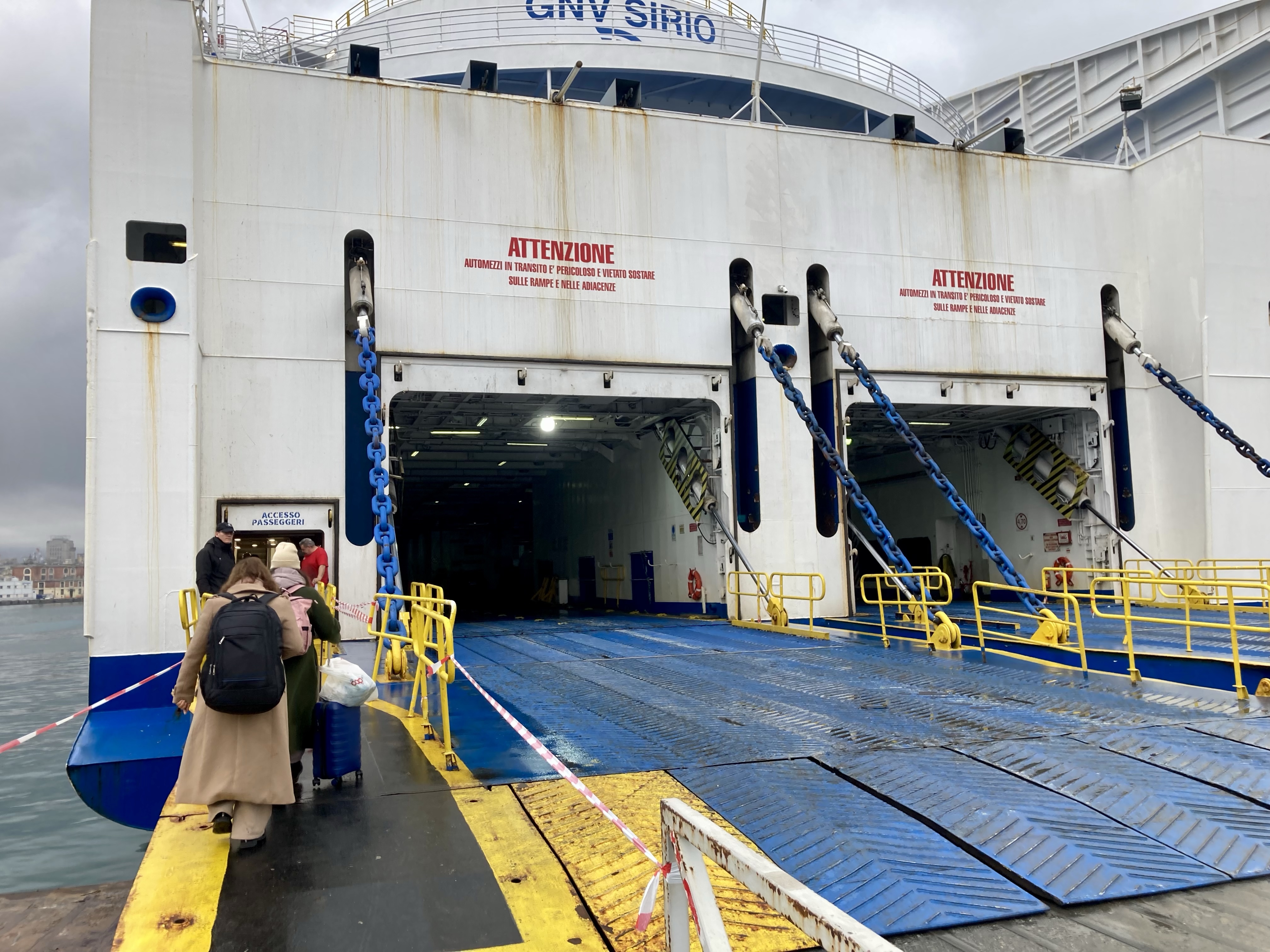
Boarding was done Greek island style, via the car ramp and up a very long and steep escalator (think London Northern Line stations).
The Ship: GNV Sirio
The ferry GNV Sirio (IMO #9293404) was acquired by Genoa-based shipping company Grandi Navi Veloci (GNV) only recently. She was built in 2004 by Fincantieri Yards in Castellammare di Stabia, Italy and delivered to the Tirrenia Group to operate the Civitavecchia to Olbia relation under the Name of Nuraghes. In 2023 she was sold to Moby Lines and continued to serve routes from the Italian mainland to Sardinia as Moby Vinci. GNV bought the ship in early 2024 and renamed it to GNV Sirio. She was earmarked for the route from Genoa to Porto Torres but serves the Tunis route instead for the time being.
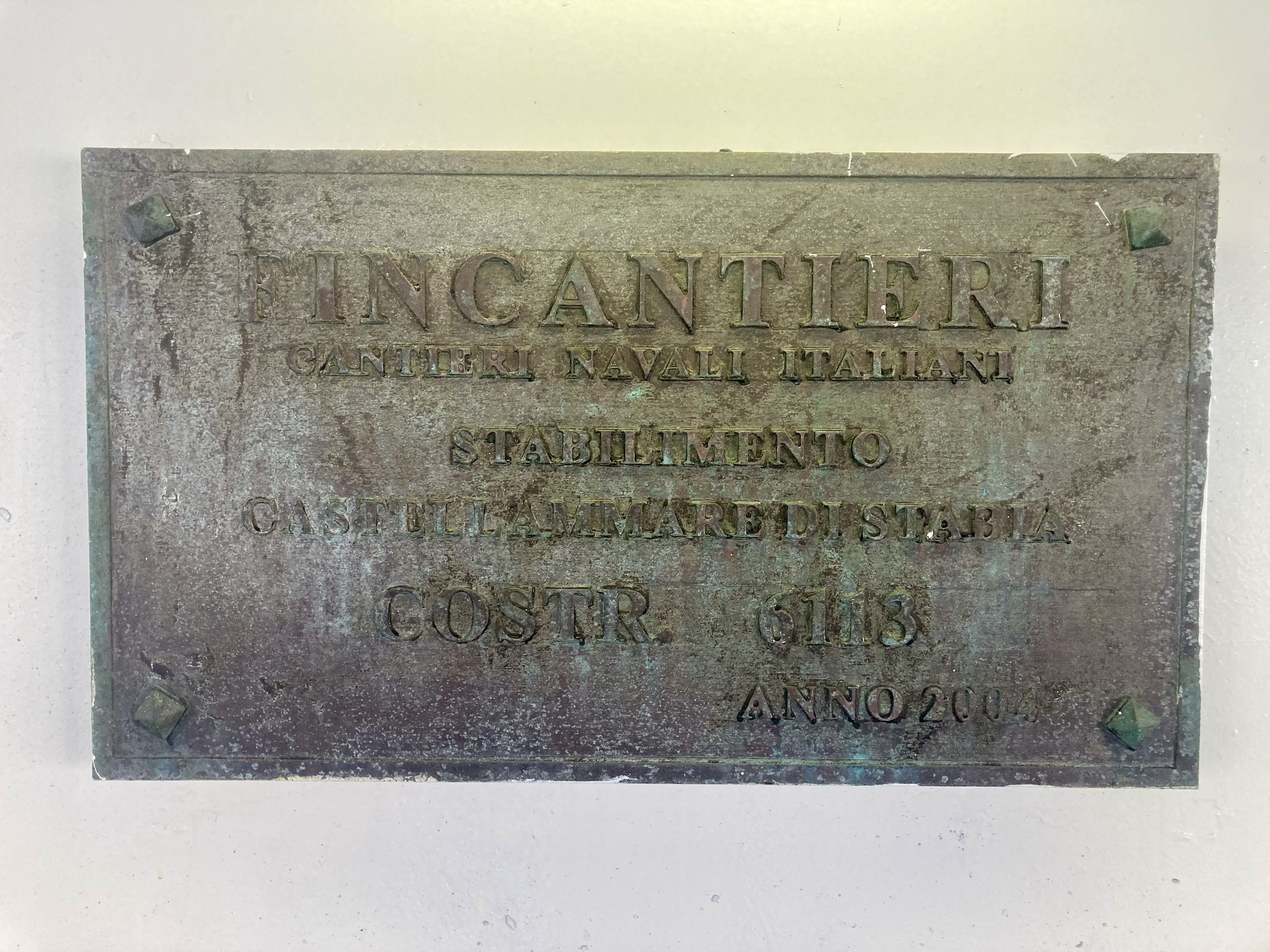
Sirio’s construction is based on the Bithia-class ferries with an added car-deck, which brings capacity to 1,900 lane meters on five car decks. She can also carry up to 2,910 passengers. The ferry is powered by four Wärtsilä 12V46C diesel engines with an output of 51,000 kW, giving the vessel a a top speed of 29 knots (about 54 km/h).
The outward appearance of leaves a bit to be desired. Her lines are plump and with almost no forward-looking windows, she looks like as if she is wearing a blindfold. She was also showing quite a bit of rust running down her sides in unbecoming streaks.
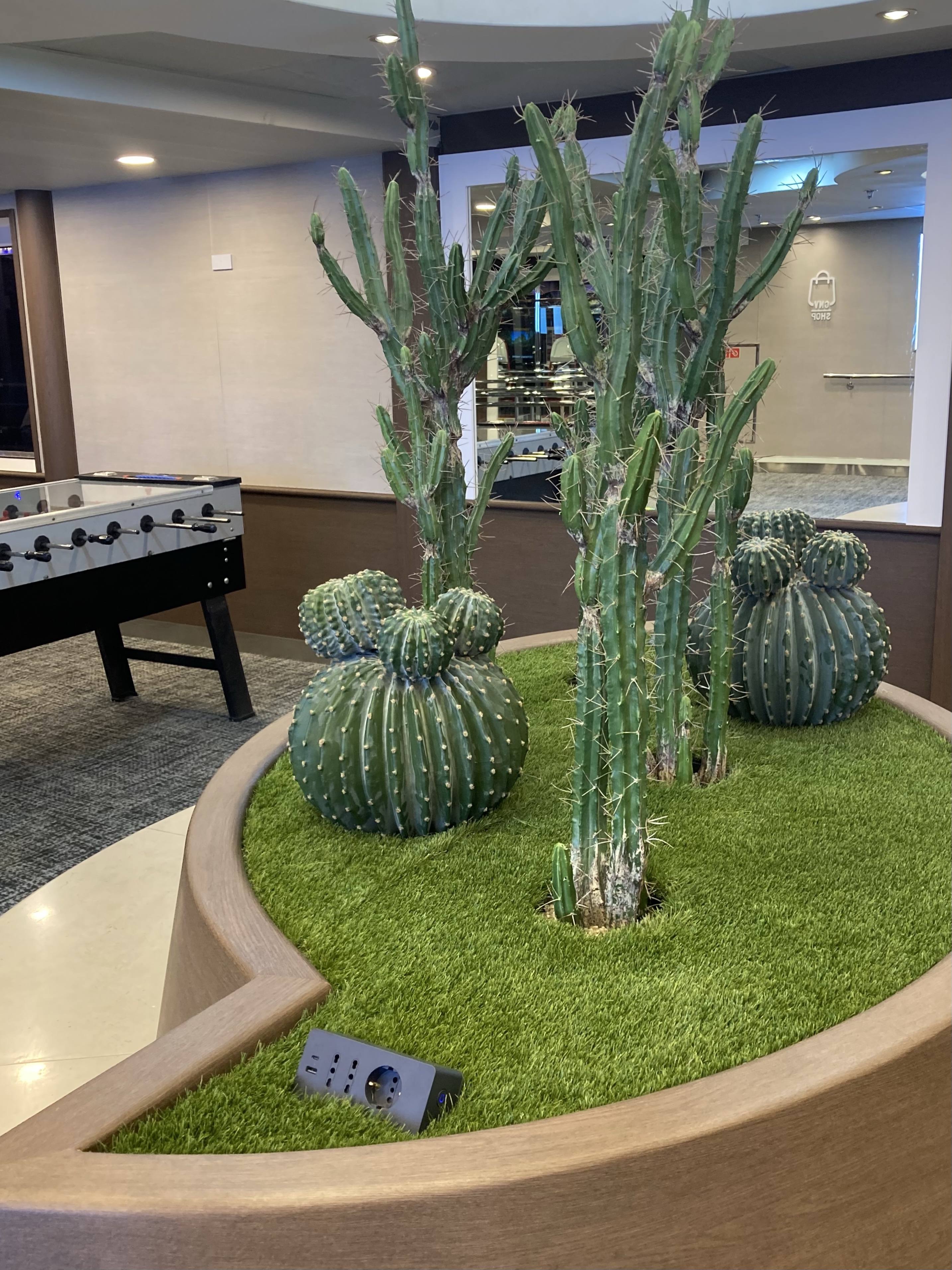
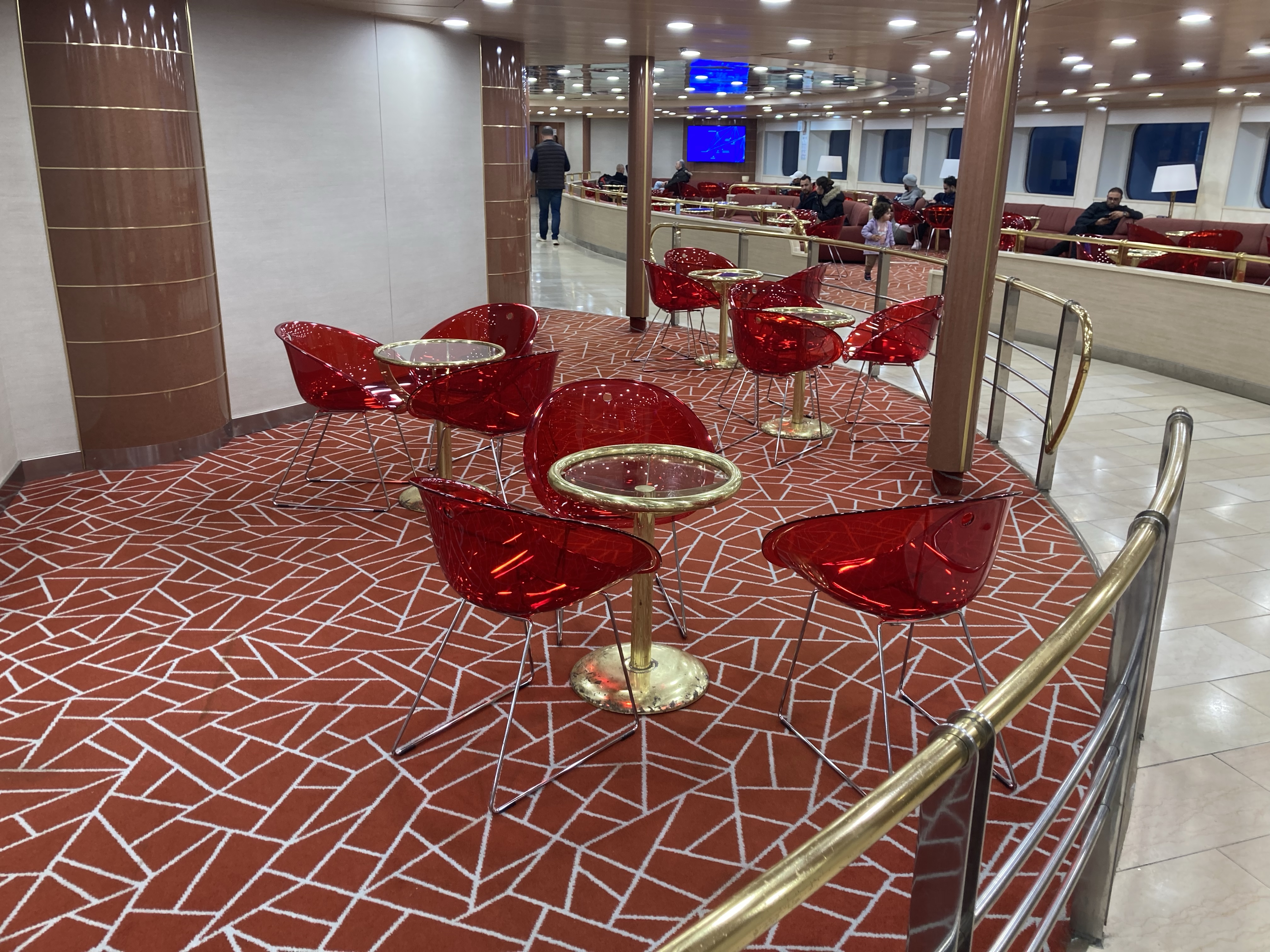
Once inside, however, I was pleasantly surprised as all the public areas looked bright and modern, and recently refurbished. I especially liked the seating areas around the bar on deck 6. The curved layout there generated a variety of seating areas for bigger and smaller group decked out with some spacey looking red chairs.
Facilities
The self-service restaurant also looked as if it had been recently refurbished, with a sleek, almost Scandinavian look. Other areas of the ferry looked neglected though. The Pullman seat lounge on deck seven for example has seen better days. Next to it was an area that was completely empty. Strange.
Shop
Also on deck 6 there is a small duty-free shop. Unfortunately, there wasn’t any GNV merch – which apparently is widely available on other GNV ferries. Clothes, sweets, souvenirs, perfumes, and watches took up much of the shelf space. Understandably, GNV loads only a small alcohol selection on this trip.
Outside seating
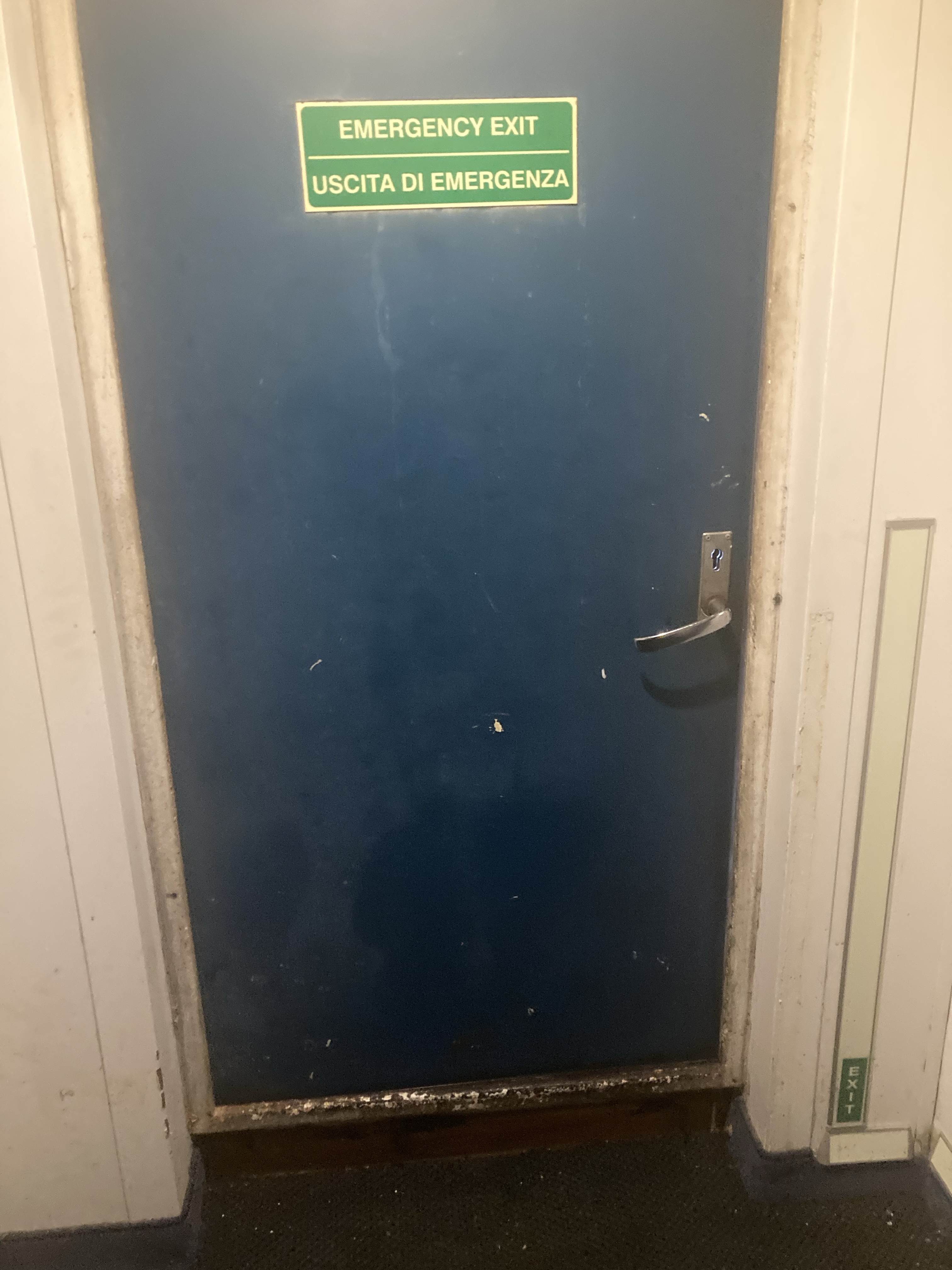
There’s plenty of open deck space on the GNV Sirio, you just have to find it. This can involve bravely throwing open any door that isn’t being looked at, even if it’s marked as an emergency exit.
Deck 9 is almost completely open, allowing passengers to enjoy the 360-degree view from above. There are additional open areas on the starboard and port sides of Deck 6, but these are obstructed by the lifeboats. The stern is accessible over three decks, which is a treat, and there is a nice enclosed area on deck 5 overlooking the propeller wash (partly obstructed by the car ramps).

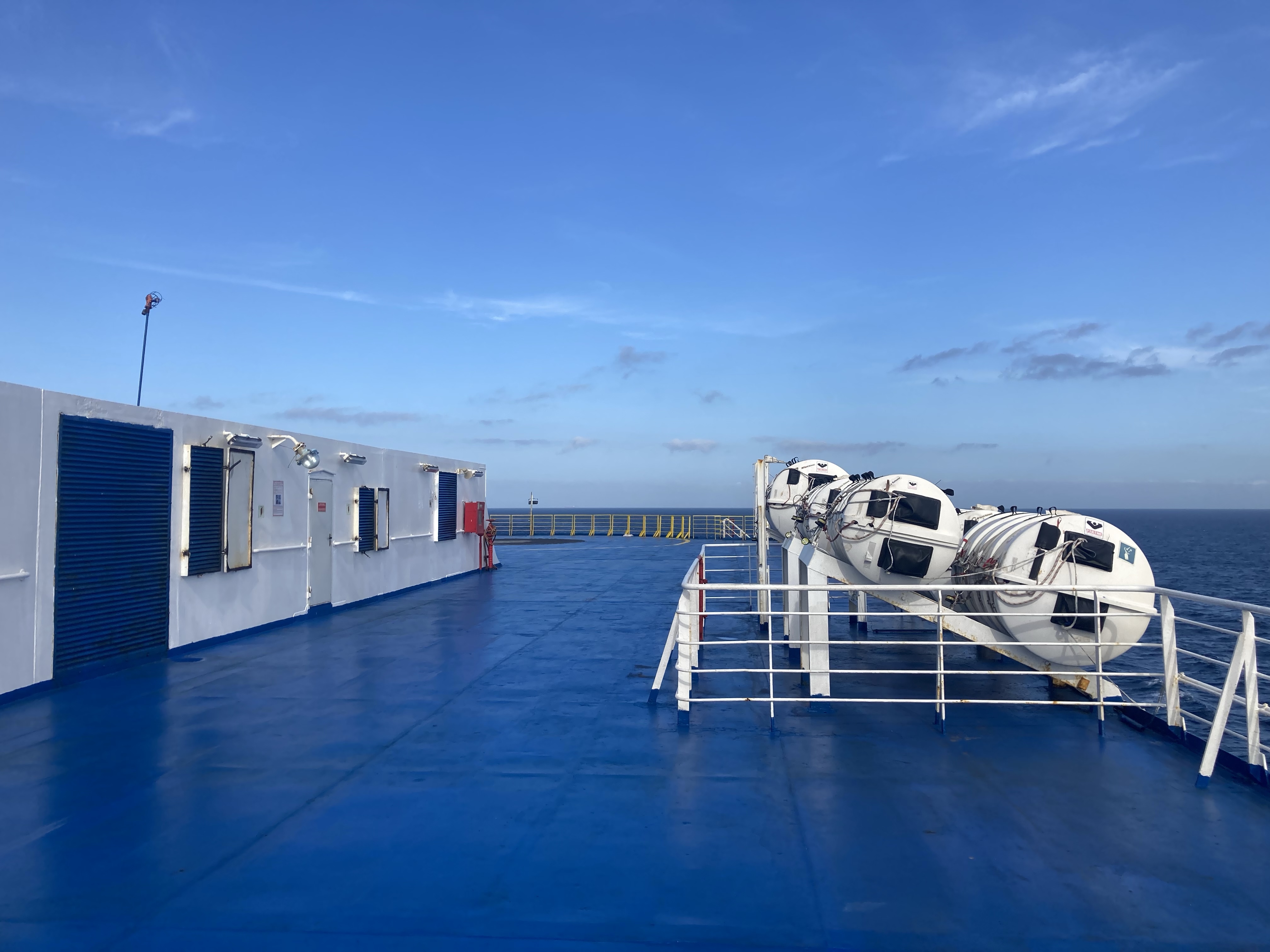
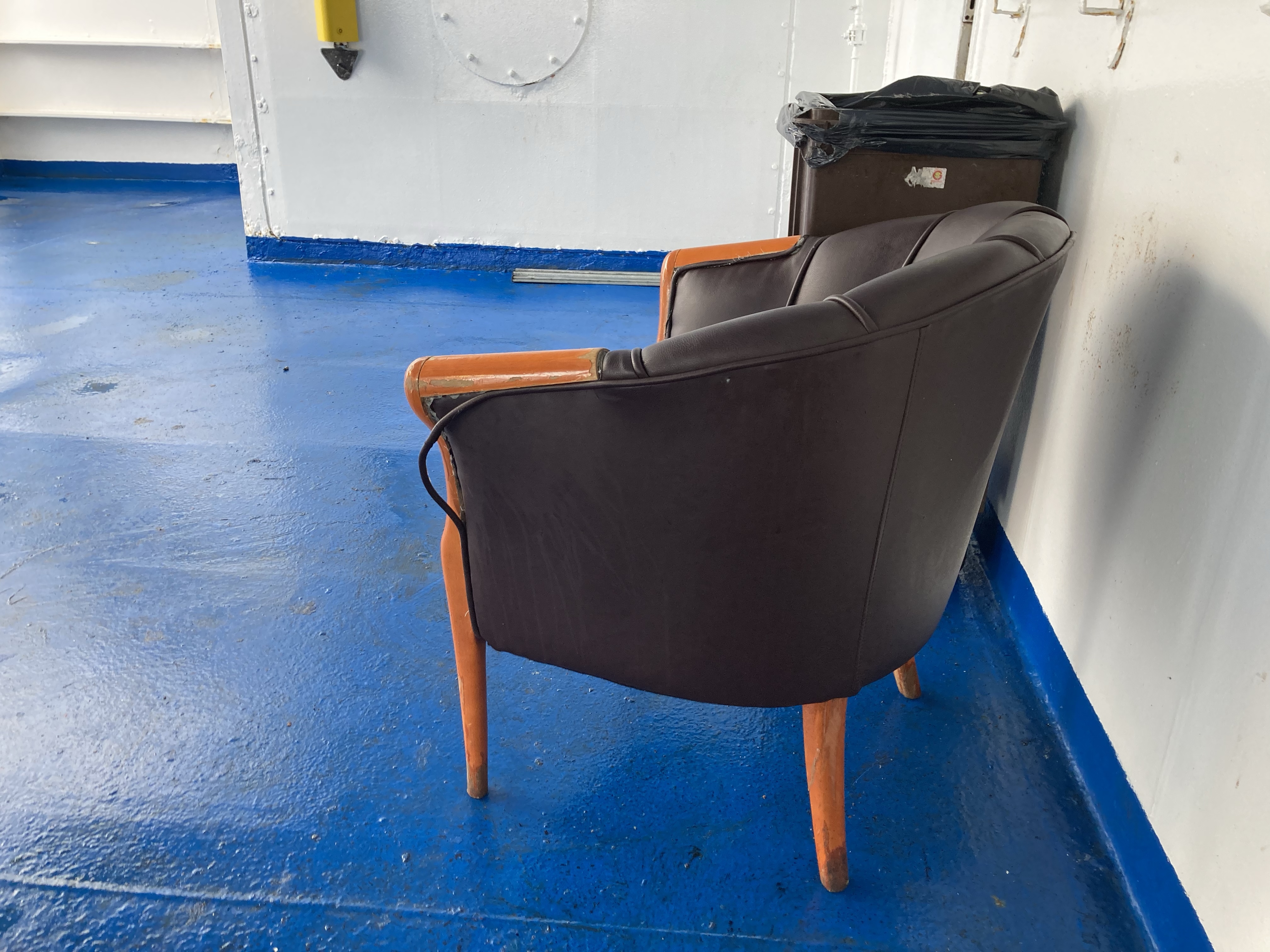

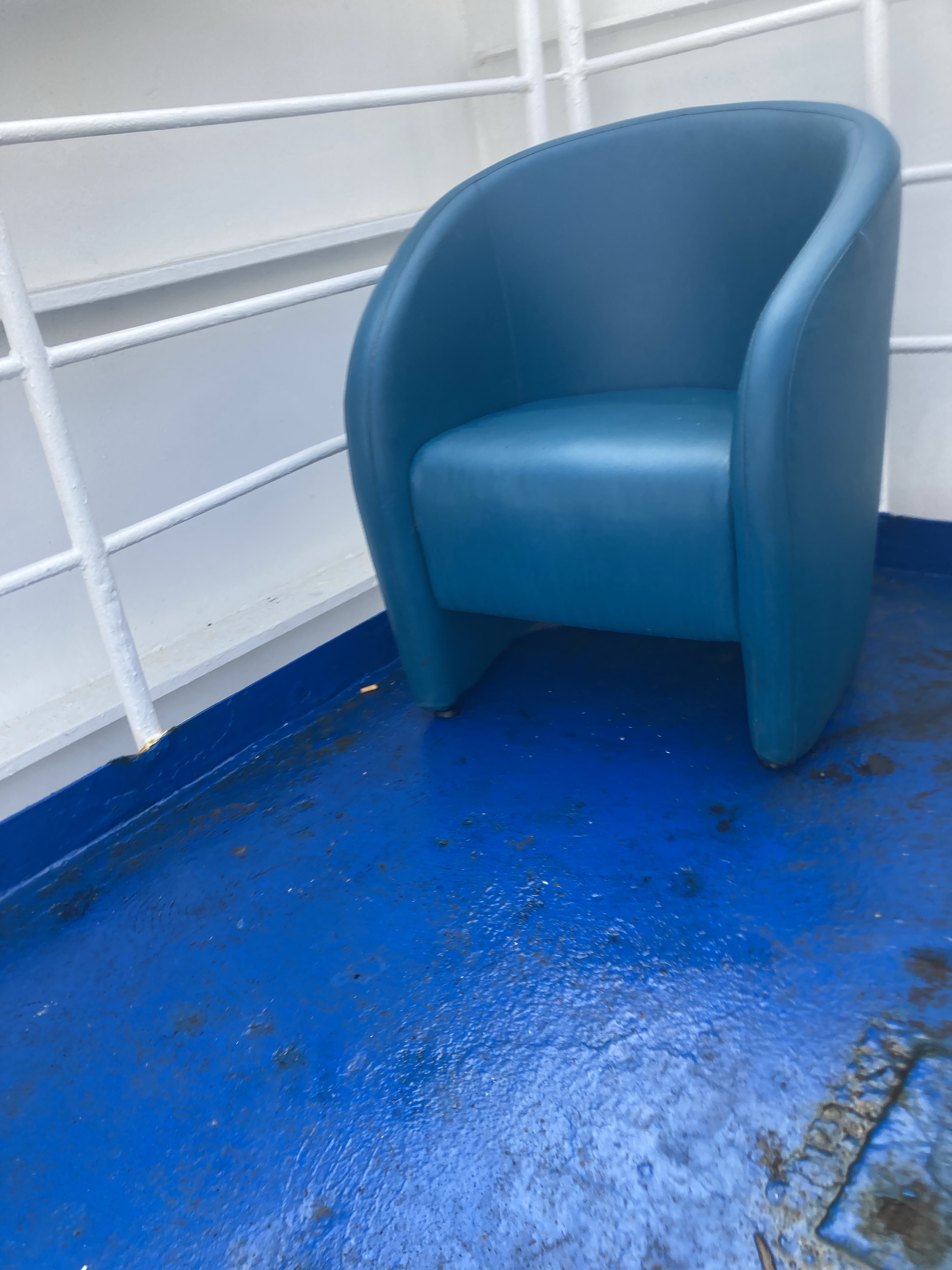
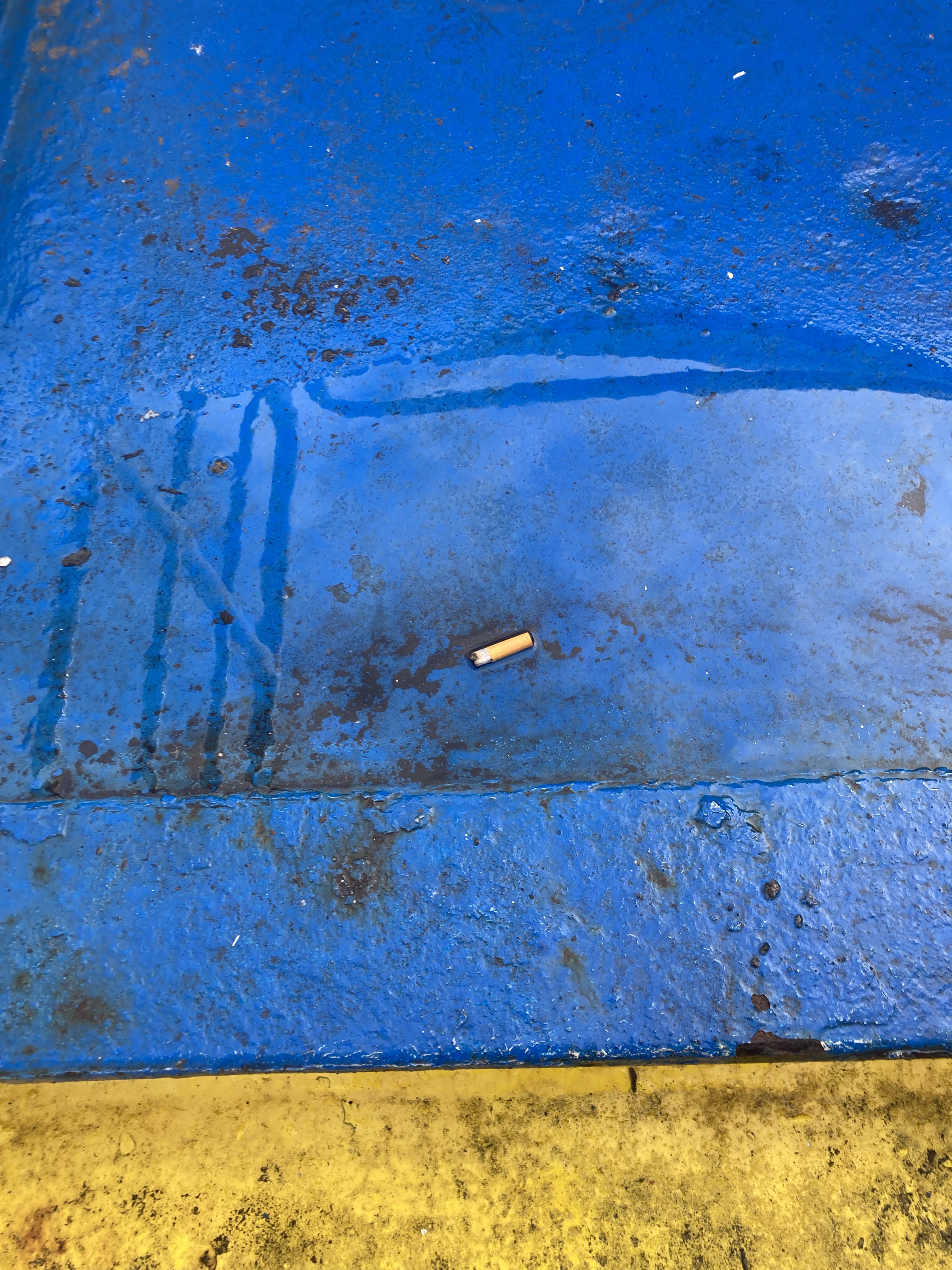
All the outside decks were empty on my trip, with no seating provided. Passengers helped themselves and moved furniture from the bars outside. The decks were also littered with cigarette butts and looked unkempt.





Cabin
Stepping into my 2-person outboard cabin, exhausted from the tedious boarding process, I noticed The Smell. It’s the kind of odor that cheap motels and dingy B&Bs always cover up with loads of cheap air freshener. The mouldy, stuffy, musty mixture was quite overpowering and I would have definitely preferred the air freshener. Seriously GNV, these carpets, curtains and mattresses need replacing! And while you’re at it, fix the drawers.
The mopboard outside the bathroom also came off, revealing a few old orange peels and a banana chip.
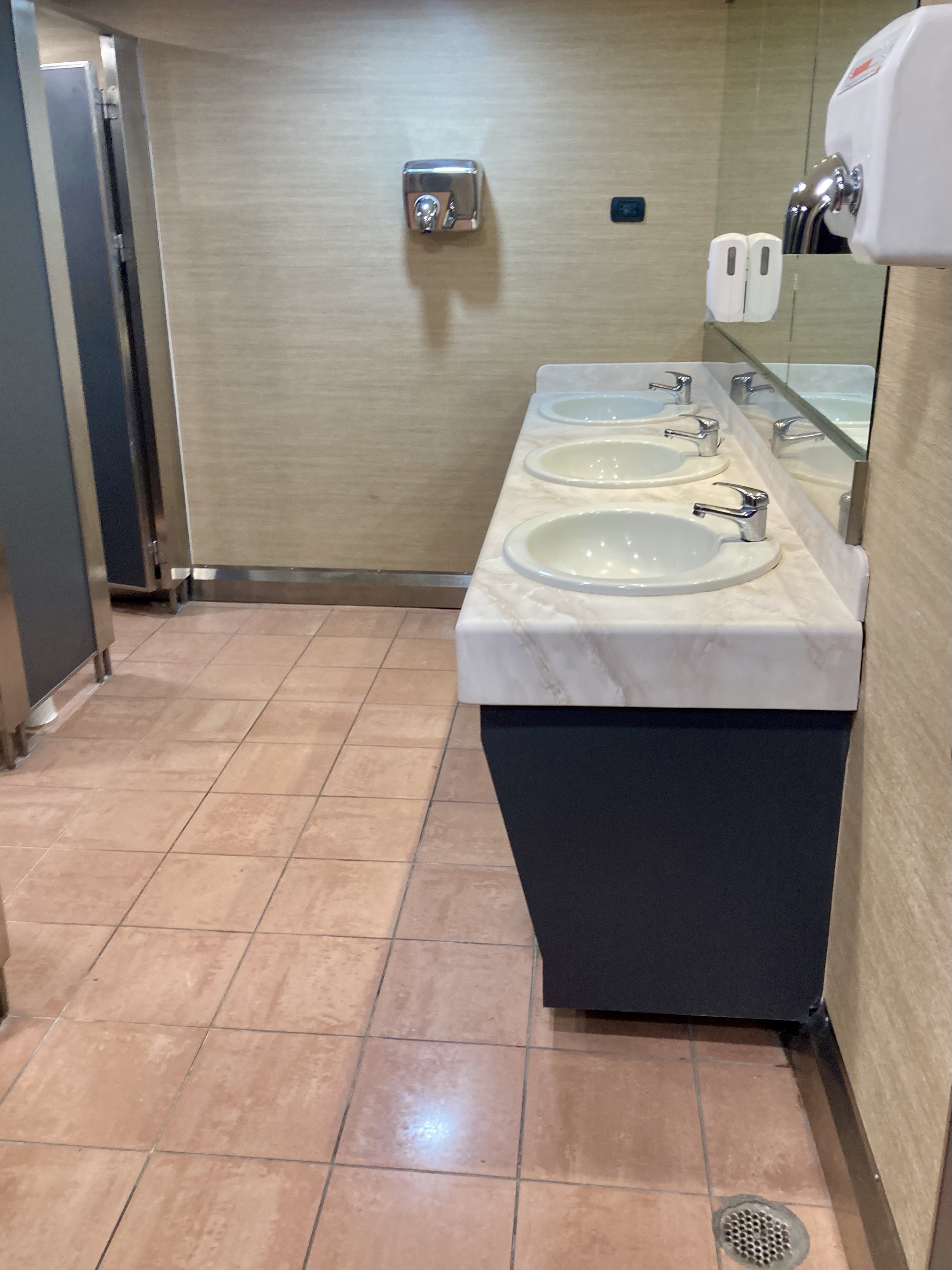
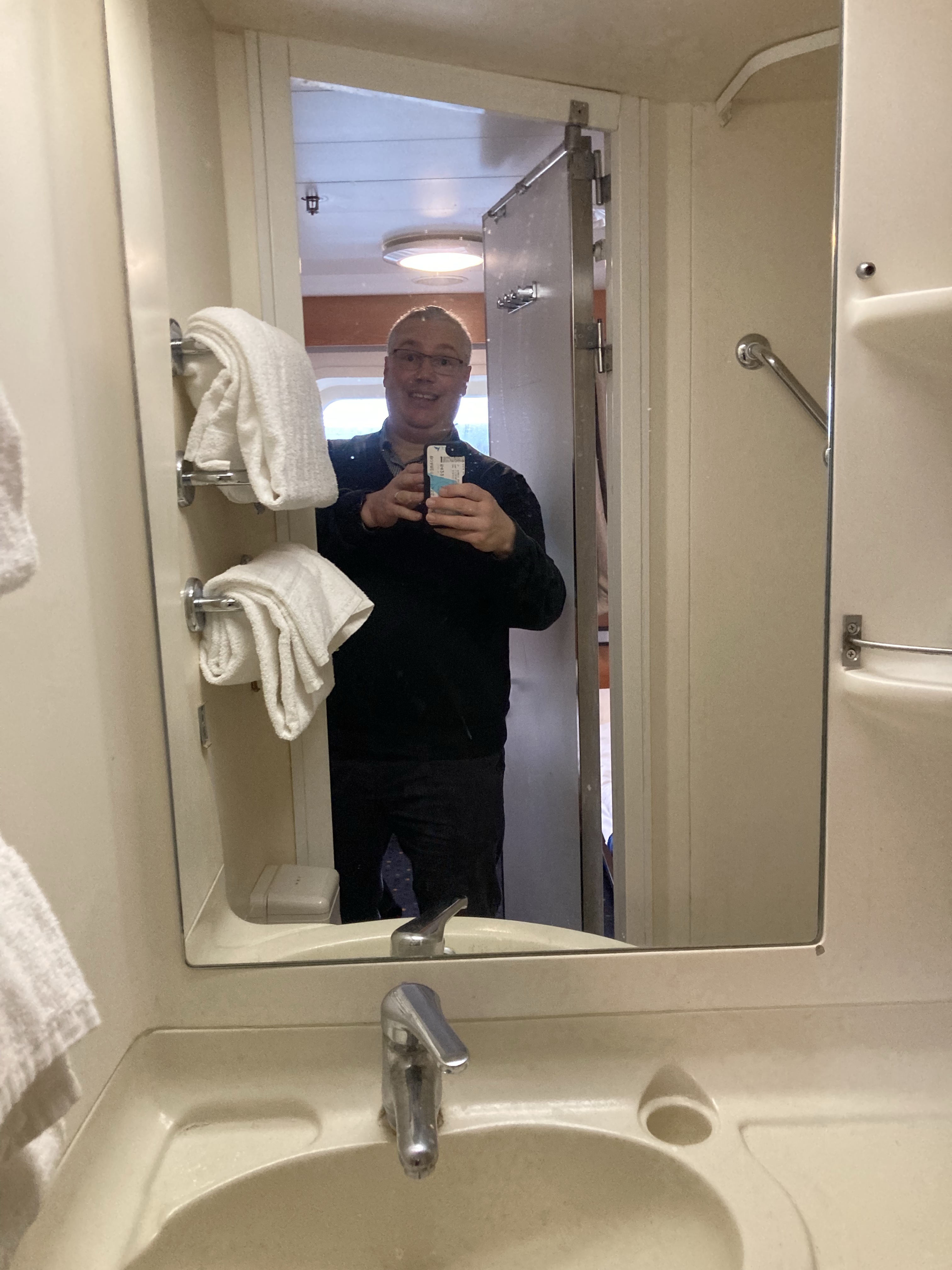
In the bathroom I discreetly used the paper ribbon that announced that this toilet had been sanitized for my convenience to remove a few hairs that had escaped the thorough cleaning. The bathroom featured two large towels and hand soap, which smelled nicely of freshly cut apples. Maybe GNV could produce Magic Trees with that scent for those cabins. I did a beta-test pouring some soap on a tissue and placing it on the nightstand. The results where promising.
All said, the cabin at least was spacious and the beds big and quite comfortable.
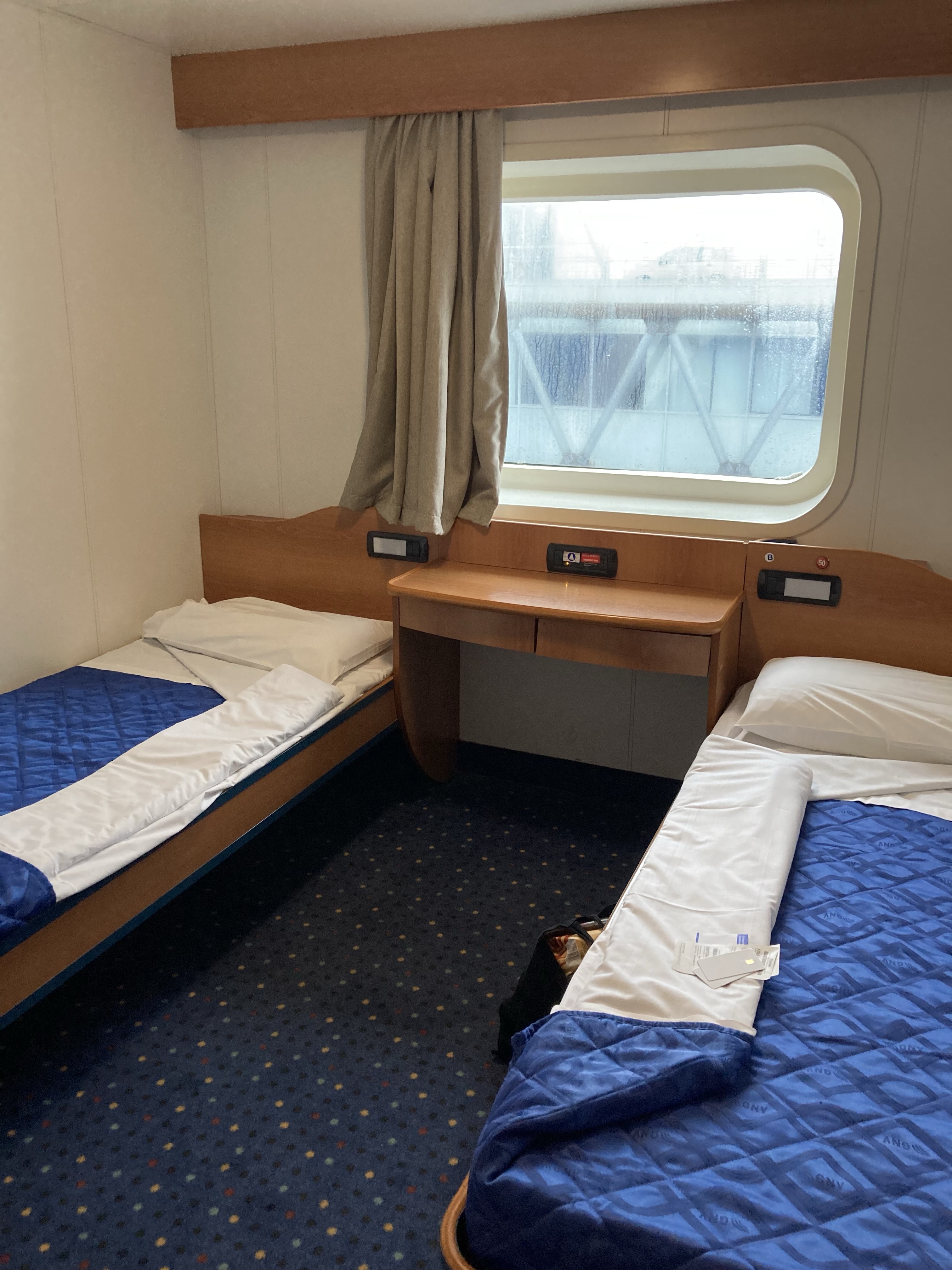

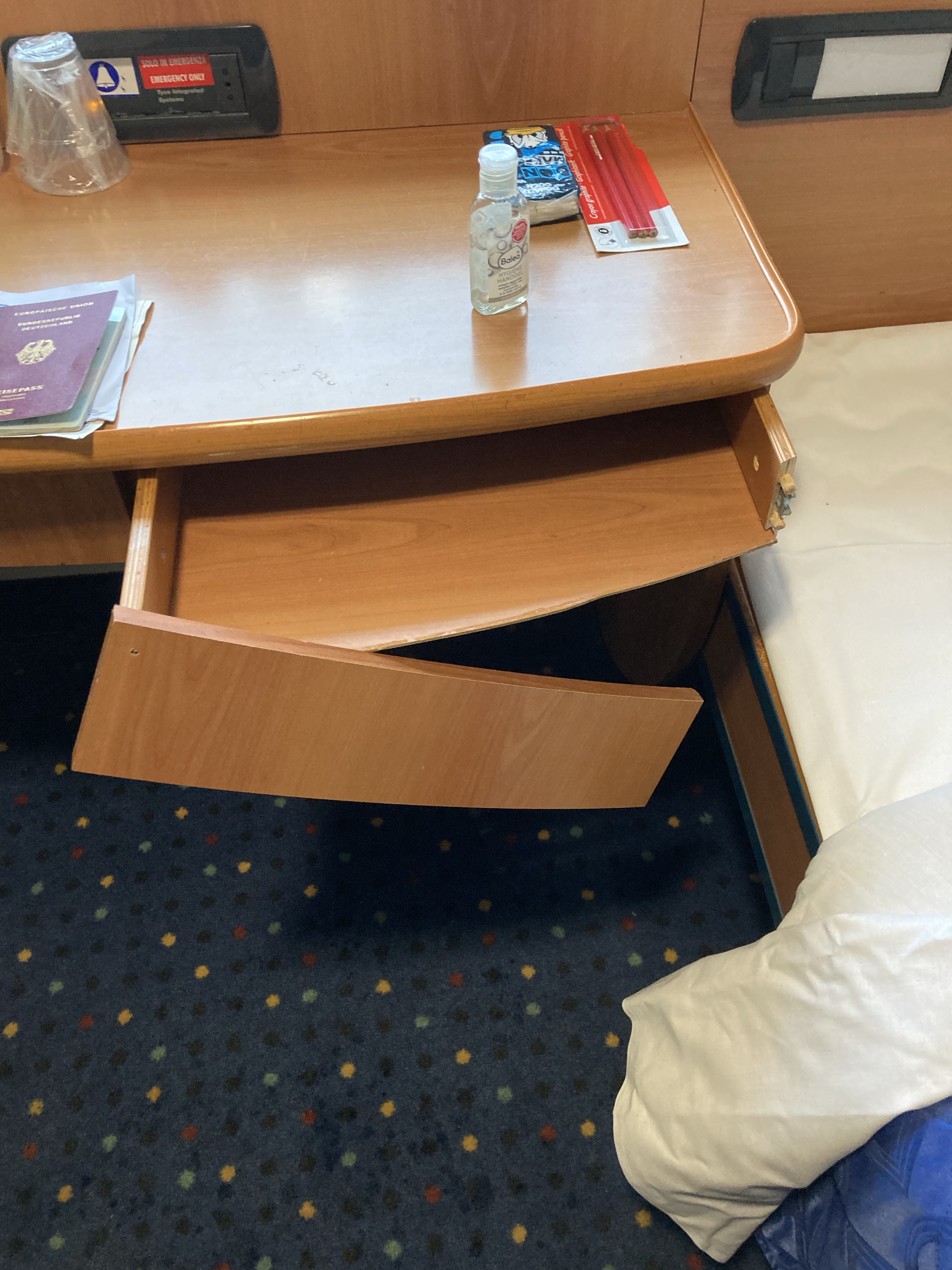
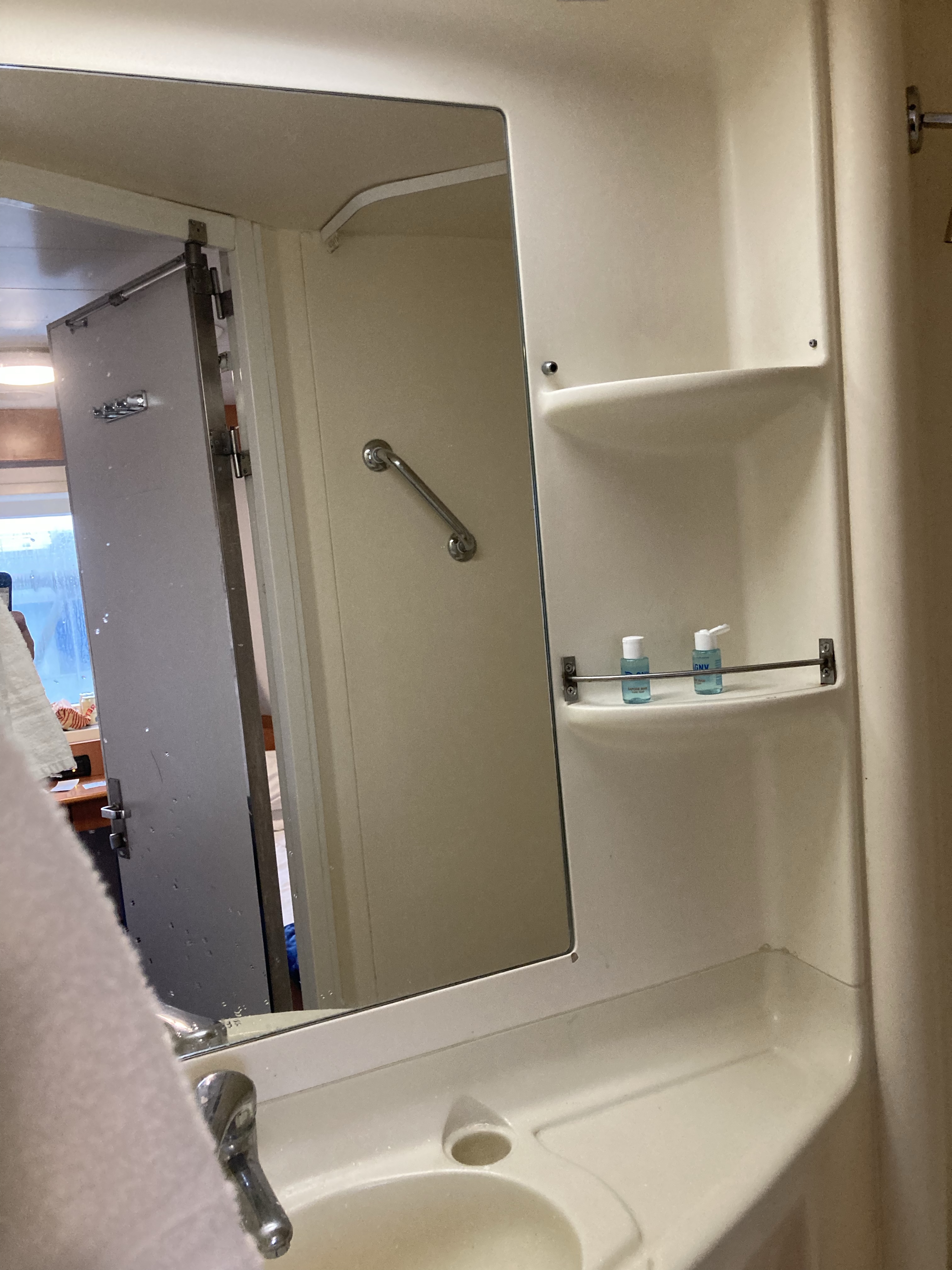
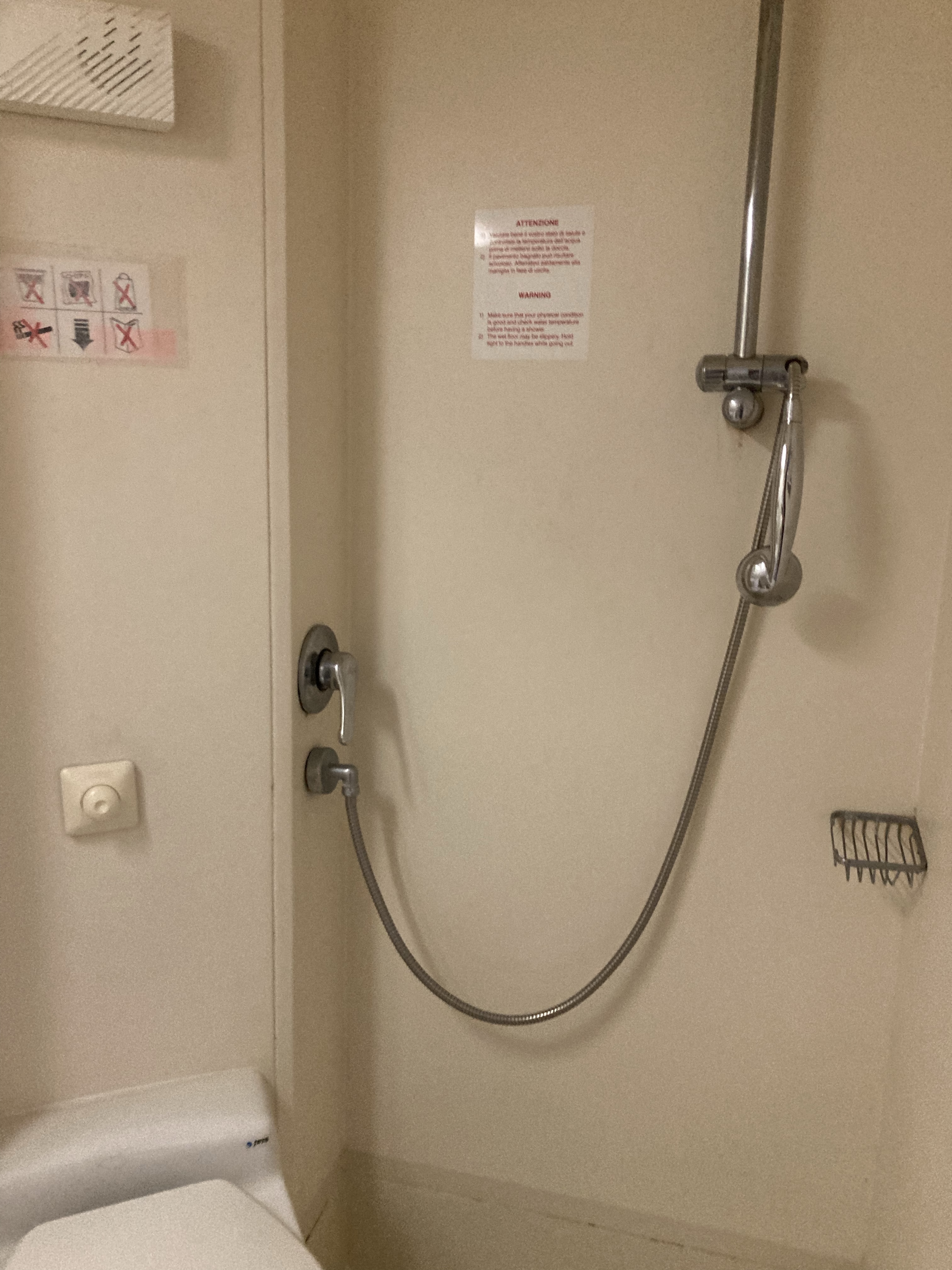


I resumed my Mediterranean scavenger hunt looking for a place to plug my phone and found exactly one in the whole stateroom. It’s on the desk thing, with a sticker next to it reading “Only for Emergencies”. That probably referred to the alarm button on the other side. A flat smartphone battery constitutes an emergency anyway. There is another outlet in the bathroom for electrical razors. Its mounted on the ceiling, so not perfect for charging a phone or laptop.
Food & Drink
The next challenge in this scavenger hunt at sea was to locate the restaurants. Rumor has it, that there is a self-service cafeteria and a formal restaurant but the staff hides them and after hours the outlets disappear behind massive metal doors that blend in with the walls.
The opening and closing times of the restaurant and shop were blasted around the ship, on loudhailers. Always in an urgent tone, which suggested that the captain just had issued a General Alarm. I have learned to ignore these announcements on ferries over the years. I even stopped showing up in a lifejacket at my muster station, whenever that really crazy announcement is made. It usually comes shortly after leaving port and always is an “invitation to all kids to come to join Captain Kid in the Kids’ Club on deck 666“. Just ignore these and remember you are not in trouble on a passenger ship until you hear nine short blasts followed by one long one.
The food in the cafeteria-style restaurant wasn’t too bad, but again GNV made things complicated. If you had paid in advance for full board your voucher is good for so and so many pieces of this and that category of item. The system followed the typical Italian dinner of first and second course, side dish, bread and dessert, but some passengers really struggled to understand it, which led to a lot of arguing and haggling at the checkout.
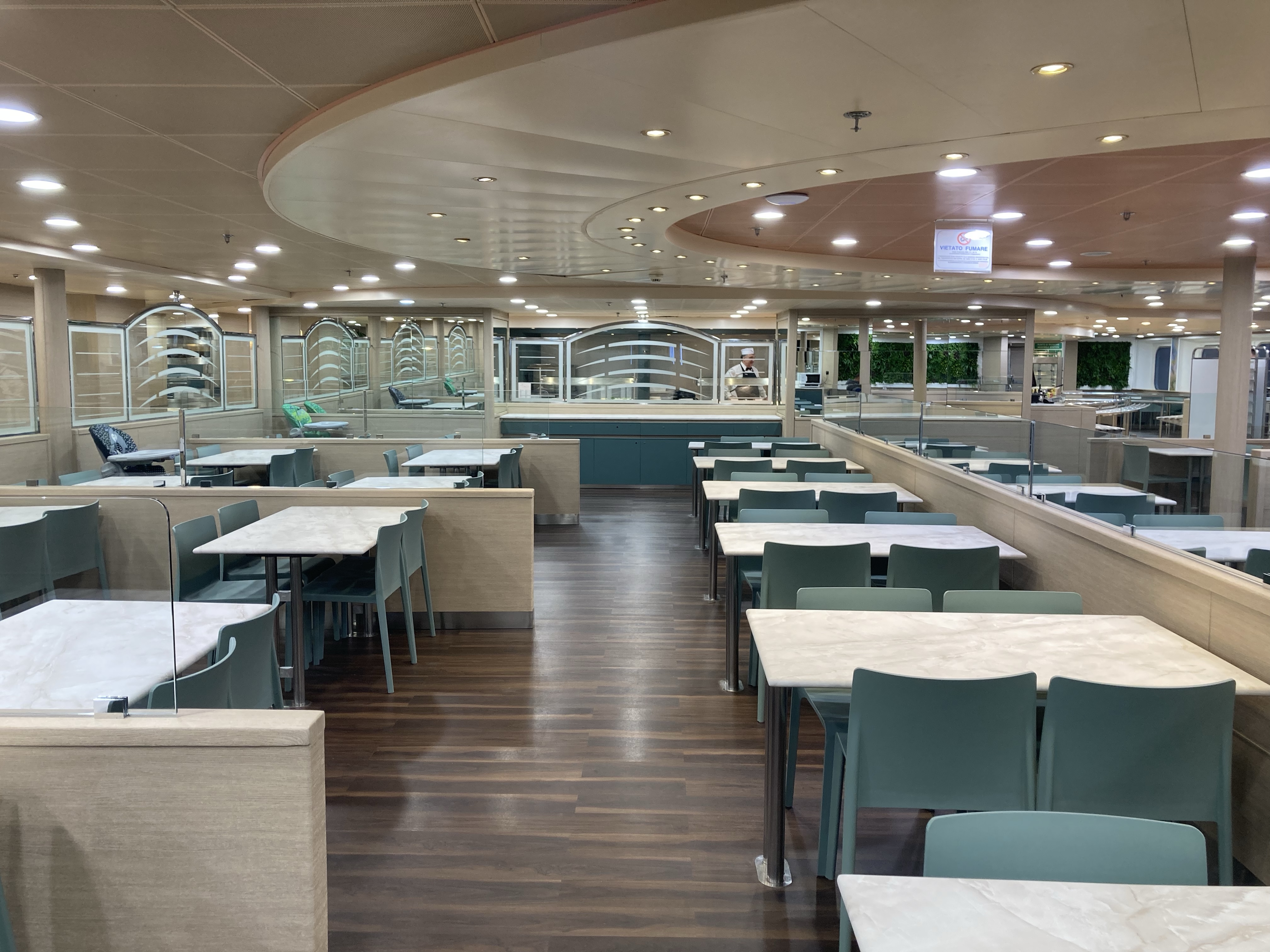

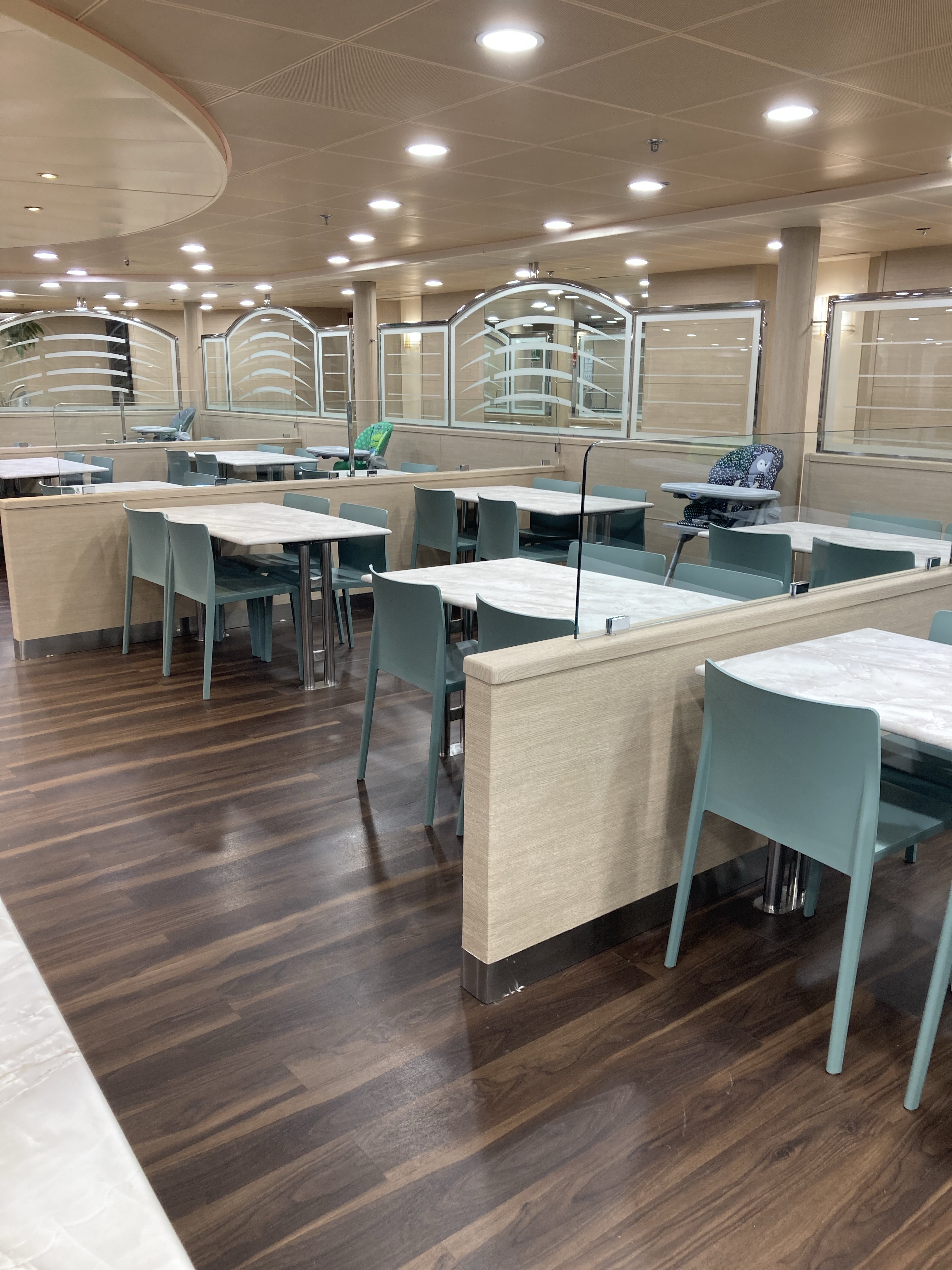

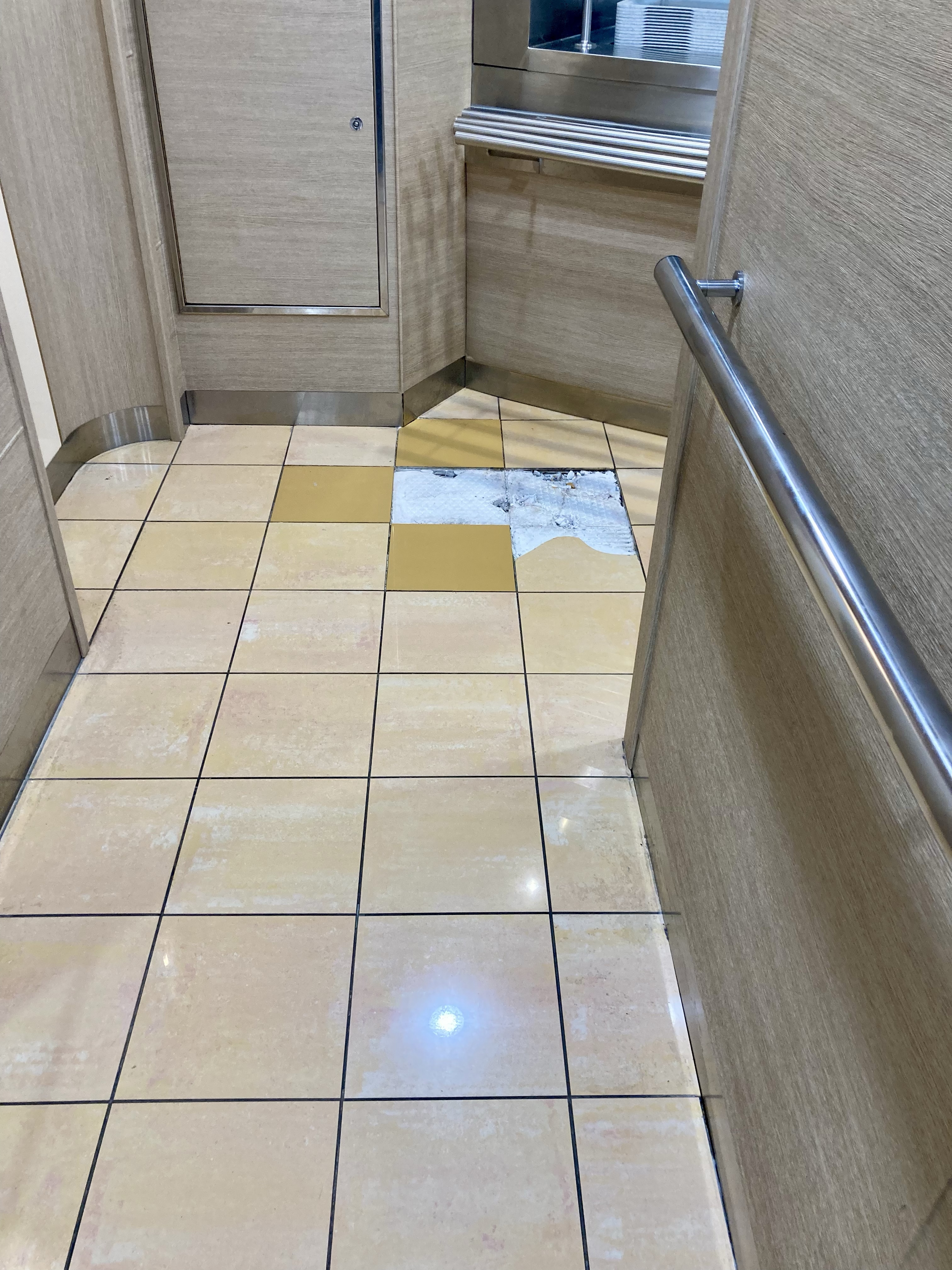

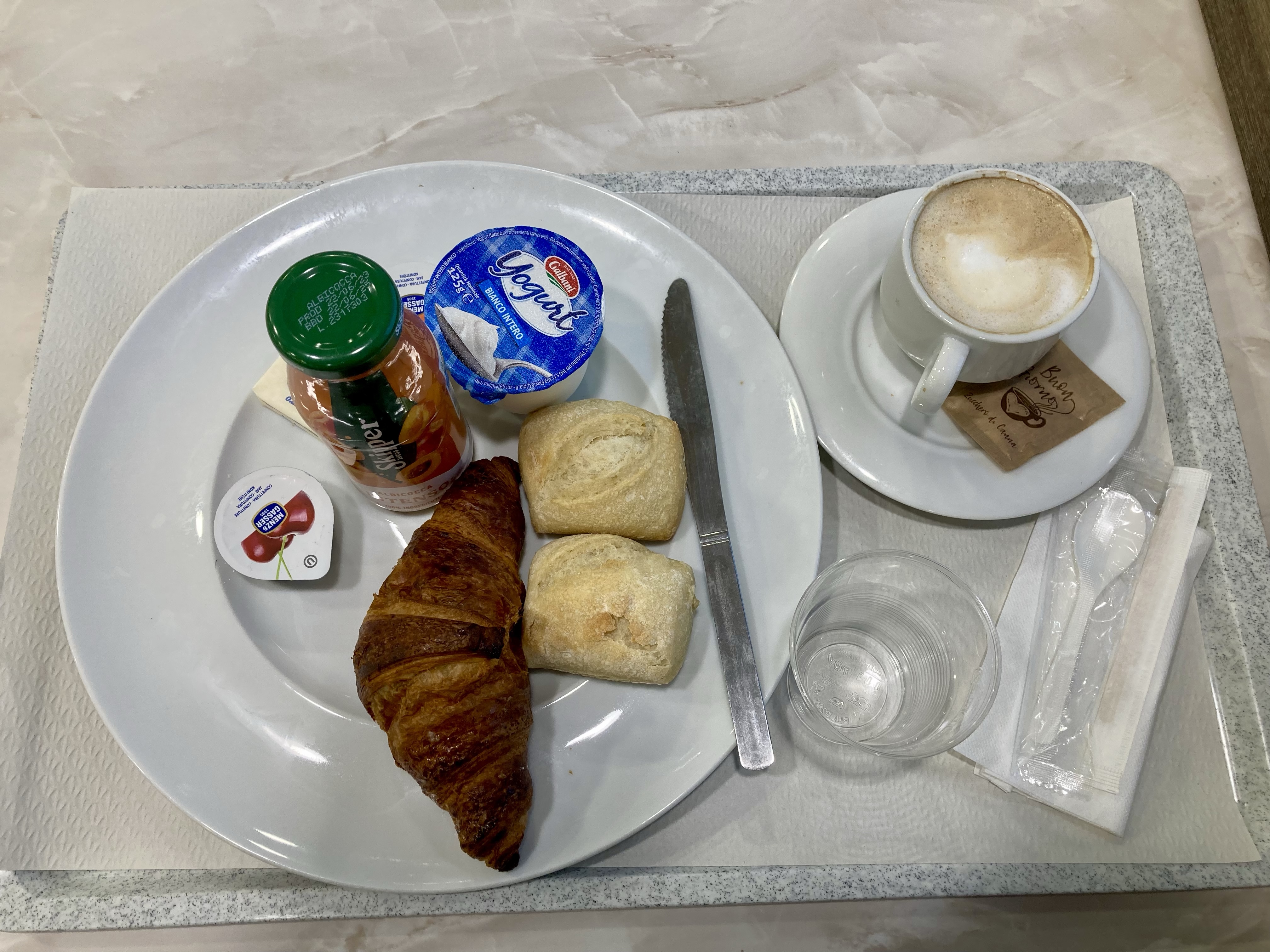

The food itself was nice though, with fresh salads, lasagna, stew, fish and meat to choose from. Desserts where mostly pre-packed puddings and fruit.
For dinner I had the mushroom lasagna which was gooey and tasteless, a really nice goulash stew and a simple green salad which was fresh and tasty. A bottle of water is included in the meal voucher, other drinks are extra. I had a small bottle of Nostro Azzuro beer for 4.70 EUR.
Breakfast was a simple affair with a croissant, rolls, bread, butter, jam, juice and a cappuccino. There are no refills on the coffee front.
The last meal included on the way to Tunis is lunch. I kept it light with a dish of pasta with marinara sauce and some swordfish which were both fresh and tasty.
All meals were nicely plated on real china with metal utensils. In total, I paid just 32 EUR for the meals, which is very good price. Considering that, the variety and quality of the dishes was more than adequate.


The bar on deck 6 is open all day and like a proper Italian bar should. There is a spread of alcoholic drinks, cocktails, sandwiches, cakes, packed snacks and of course aromatic and perfectly crafted cafè. The bar staff was extremely nice and friendly. Prices were OK too, and I had a succulent torta de la nonna and an espresso for just 5.20 EUR. Beer are around 6 EUR. The bartender also mixed a satisfying Negroni (7.50 EUR). Too bad each and everything is served in/on/with plastic/paper/cardboard.
Crew and Fellow Passengers
The end of January is right in the off-season so the load of passengers was light. Tunisian travelers returning home made up the largest group. As per usual on ferry-passages to North Africa there were a few bikers and off-roaders enroute to their dessert trips. A group of middle-aged women from Germany kept catching my attention. Apparently they were on their way to some sort of dessert retreat, which likely combines yoga, silence, mindfulness with female spirituality; maybe with some drumming thrown in. Eager to fully immerse into this journey and set themselfs apart from the ordinary tourist, they donned more and more scarfs, shawls and layer after layer of loose clothing as the journey drew on. When they disembarked they looked like extras from Lawrence of Arabia.
The crew was so-so. While the staff at the bar and behind the buffet in the restaurant were friendly and cheerful, most other crew members were indifferent. They didn’t provide even the most basic information, such as restaurant or arrival times, and rolled their eyes each time a passengers asked. At every station there was an officer present whose sole jobs was to make a fuss and look sternly at passengers. They were particularly condescending to non-European passengers, adding a sour note of everyday racism.
Trip report
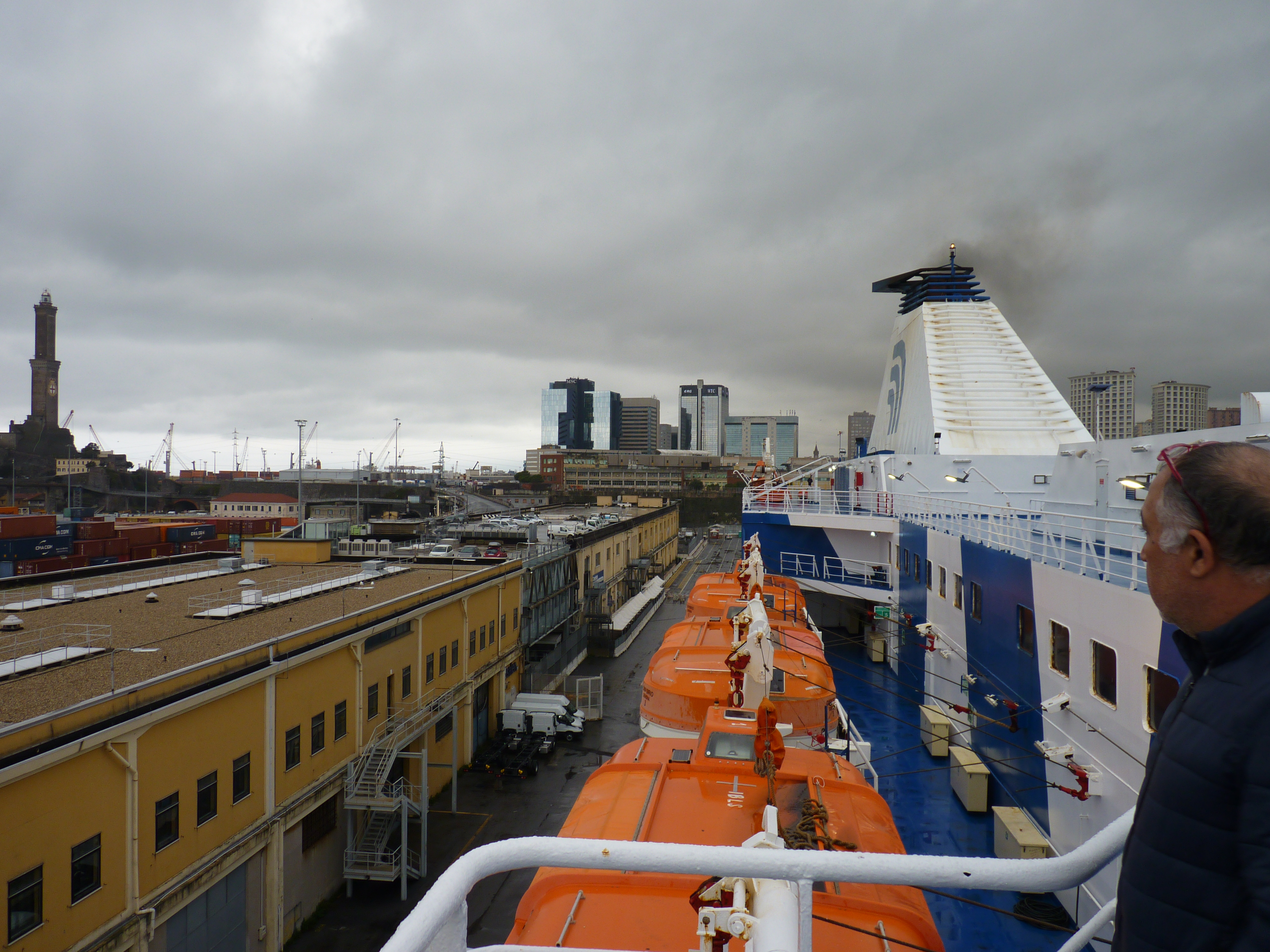
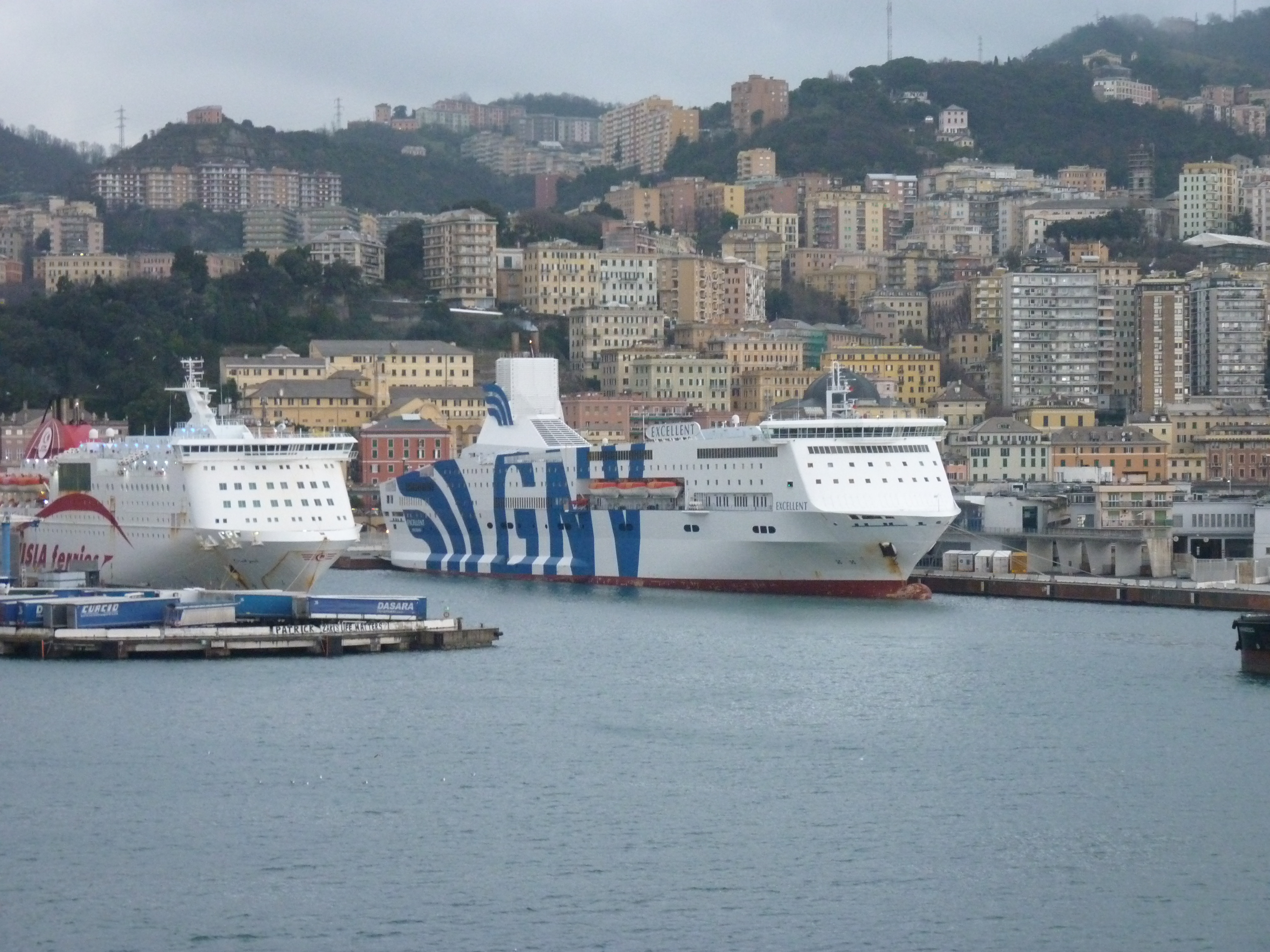
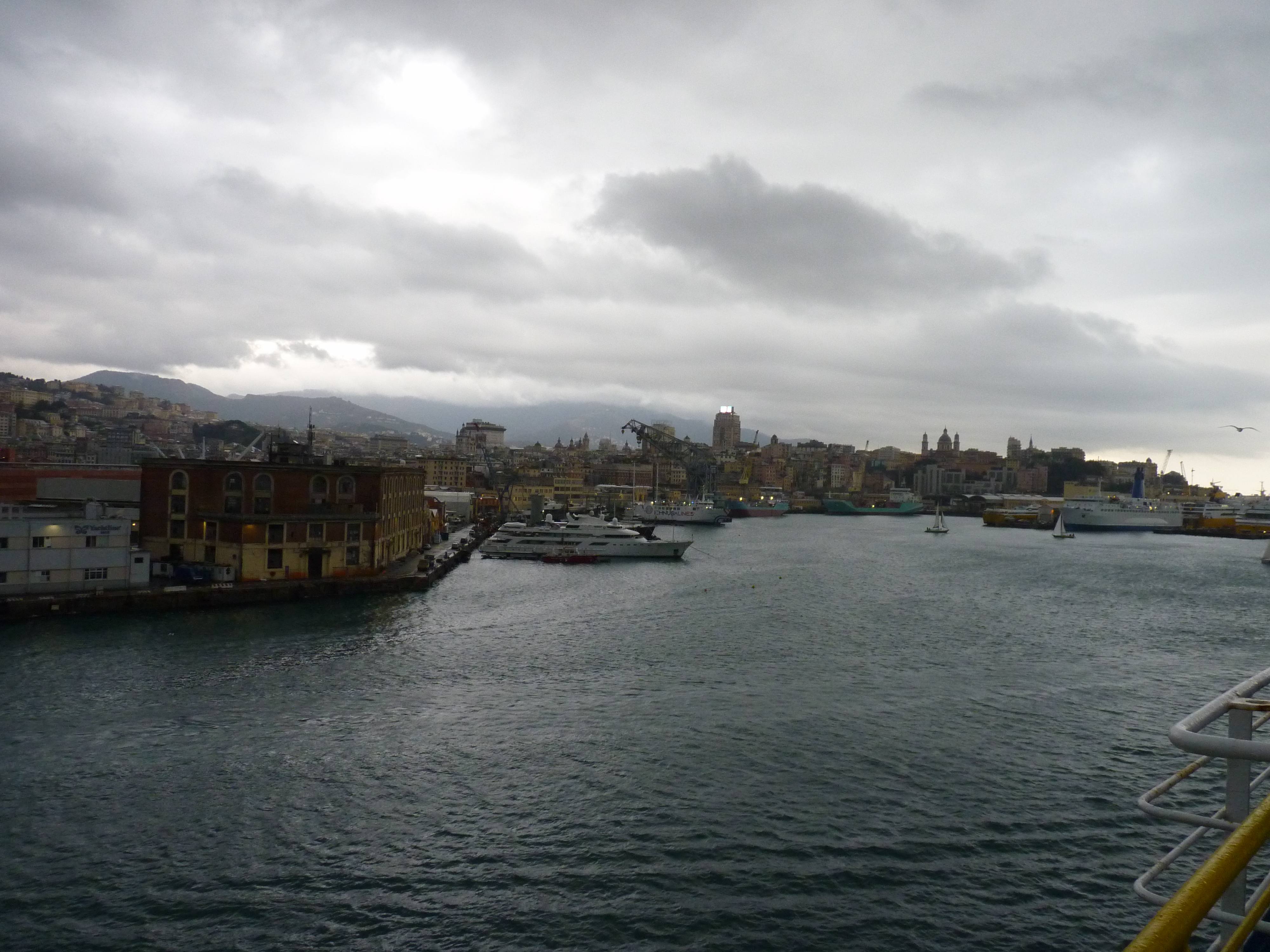
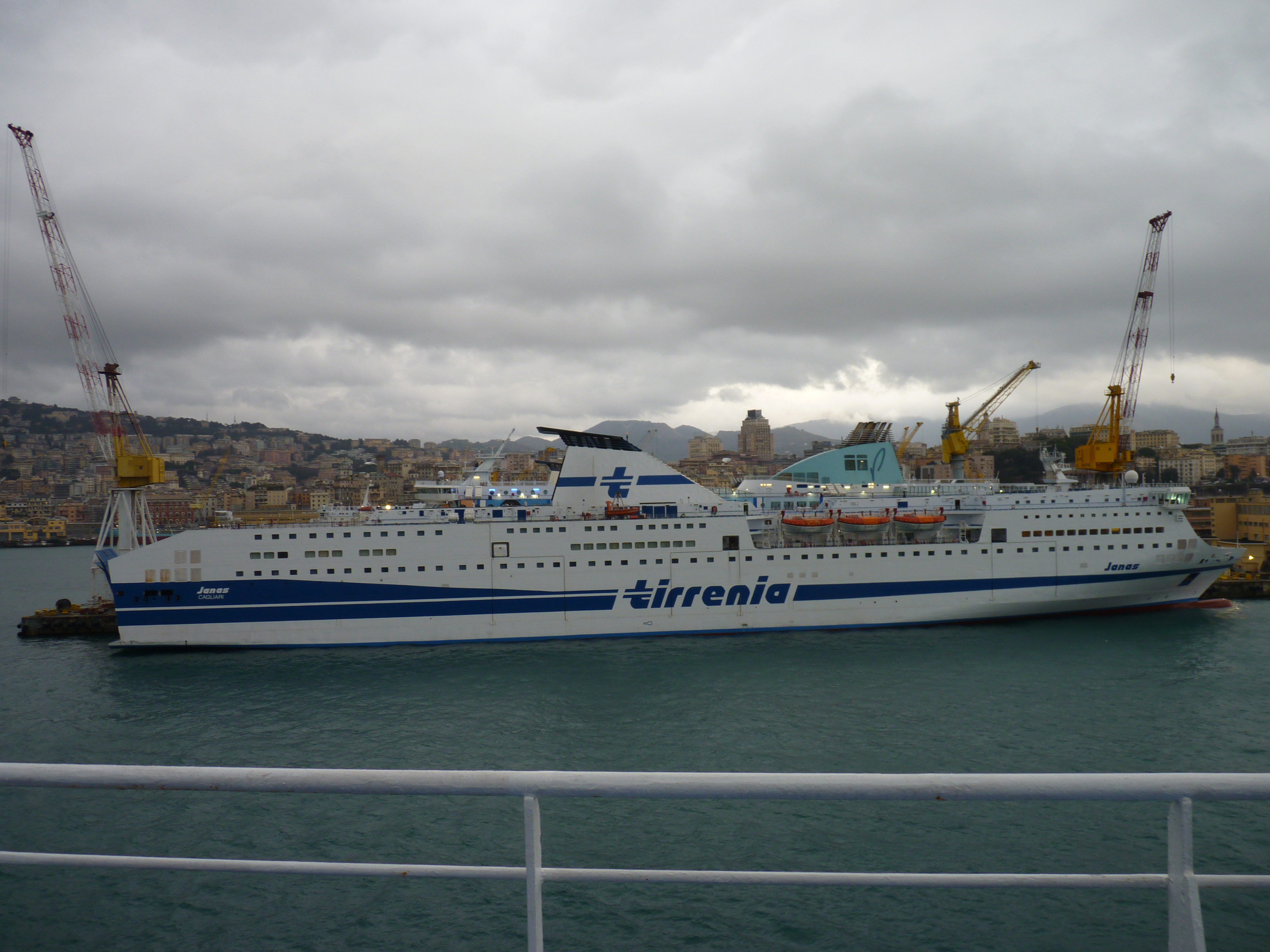
The GNV Sirio set sail on time, so I had to dash up to the top deck to take in the view as we left the port. Liguria is a surreal place where a strip of land about three bath towels wide is squeezed between the sea and very steep hills. Thus, Genoa is built into the hills rather than at their foot and the city forms a giant amphitheater for its magnificent ports, which are a hub for ferries to Corsica and Sardinia as well as cargo ships.
After a while I lost count of all the Moby Lines, Corsica Ferries and Tirrenia ships. Once GNV Sirio had passed the outer mole, she picked up speed and headed for the open Ligurian Sea.






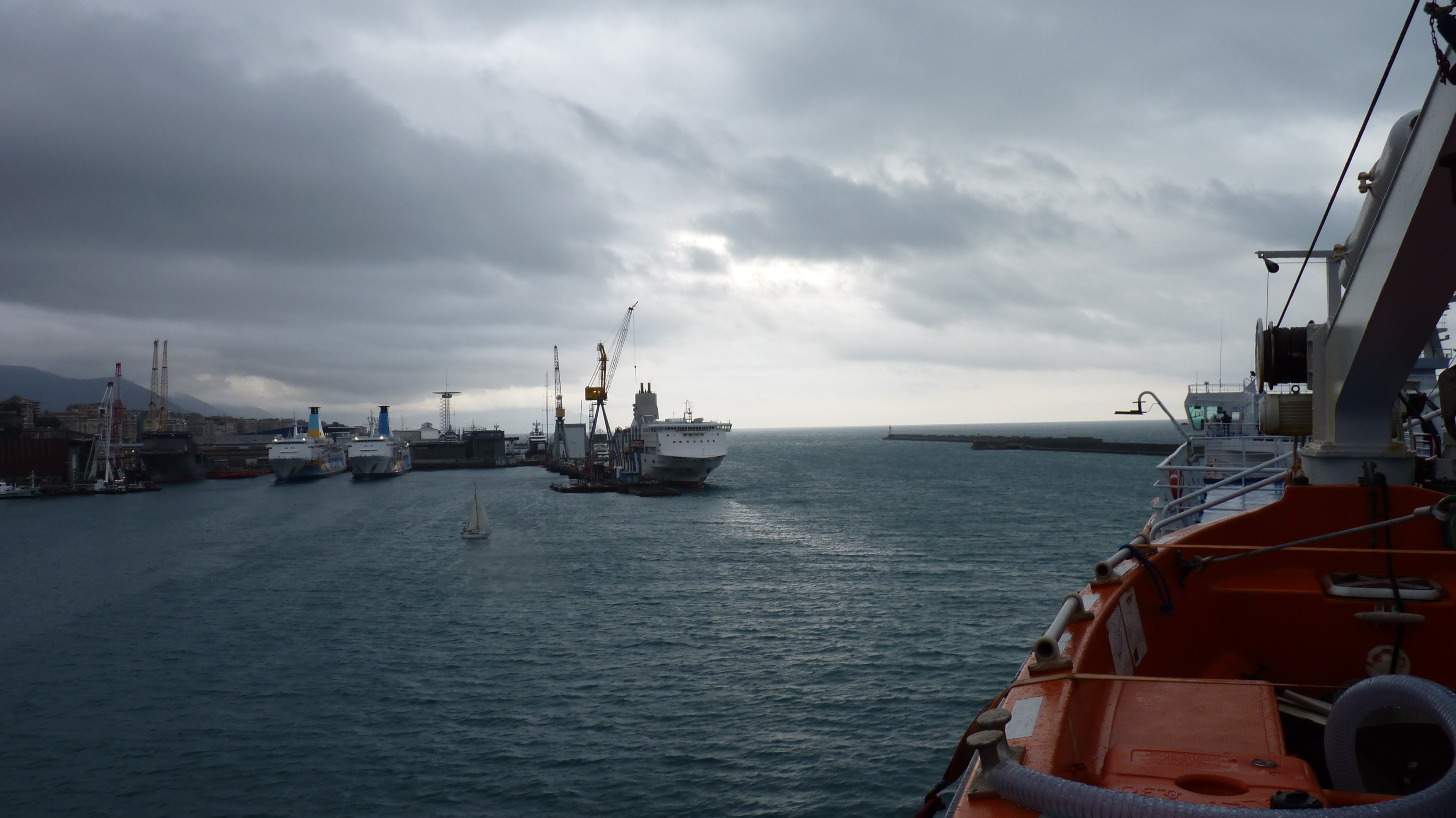


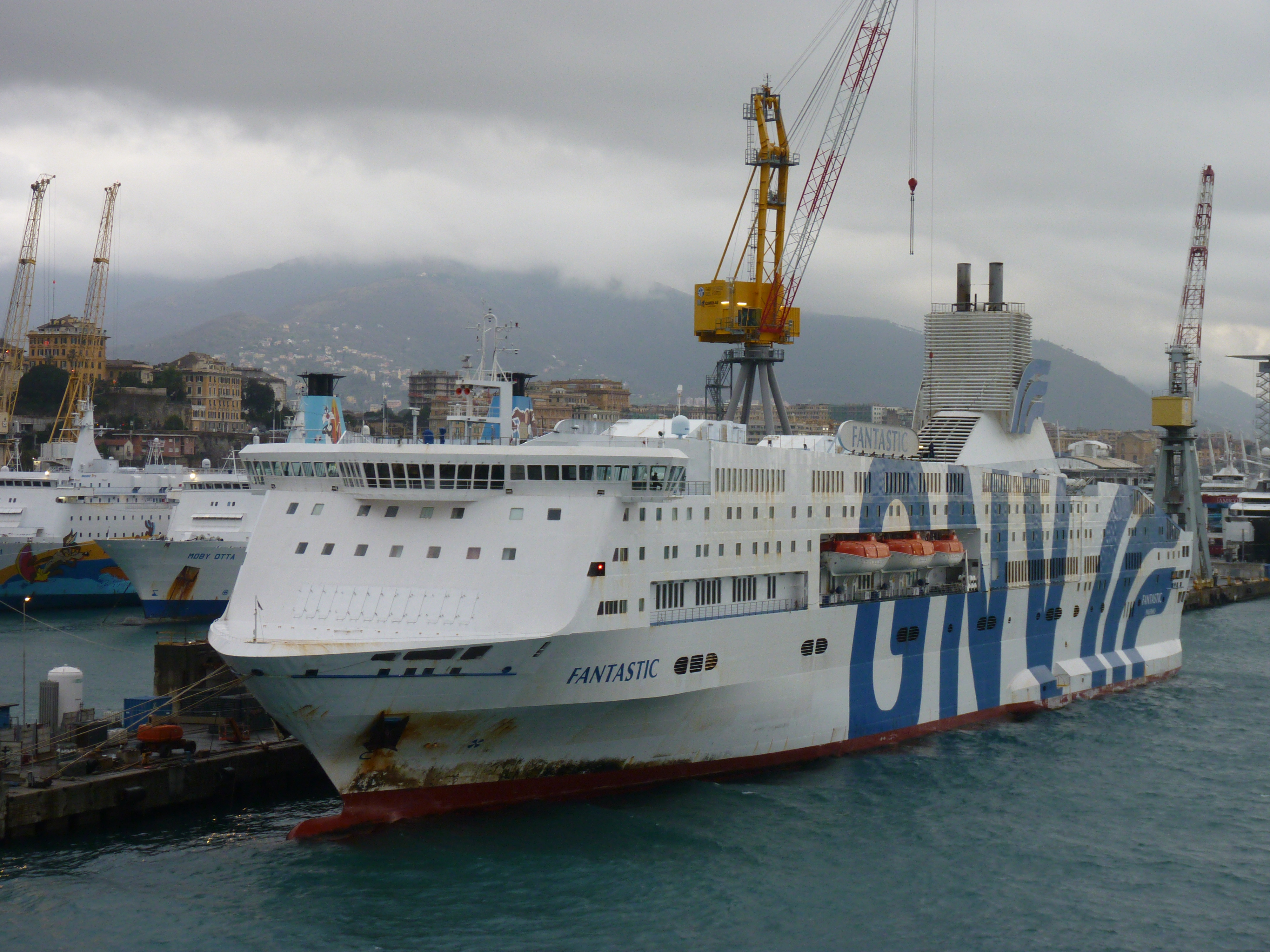


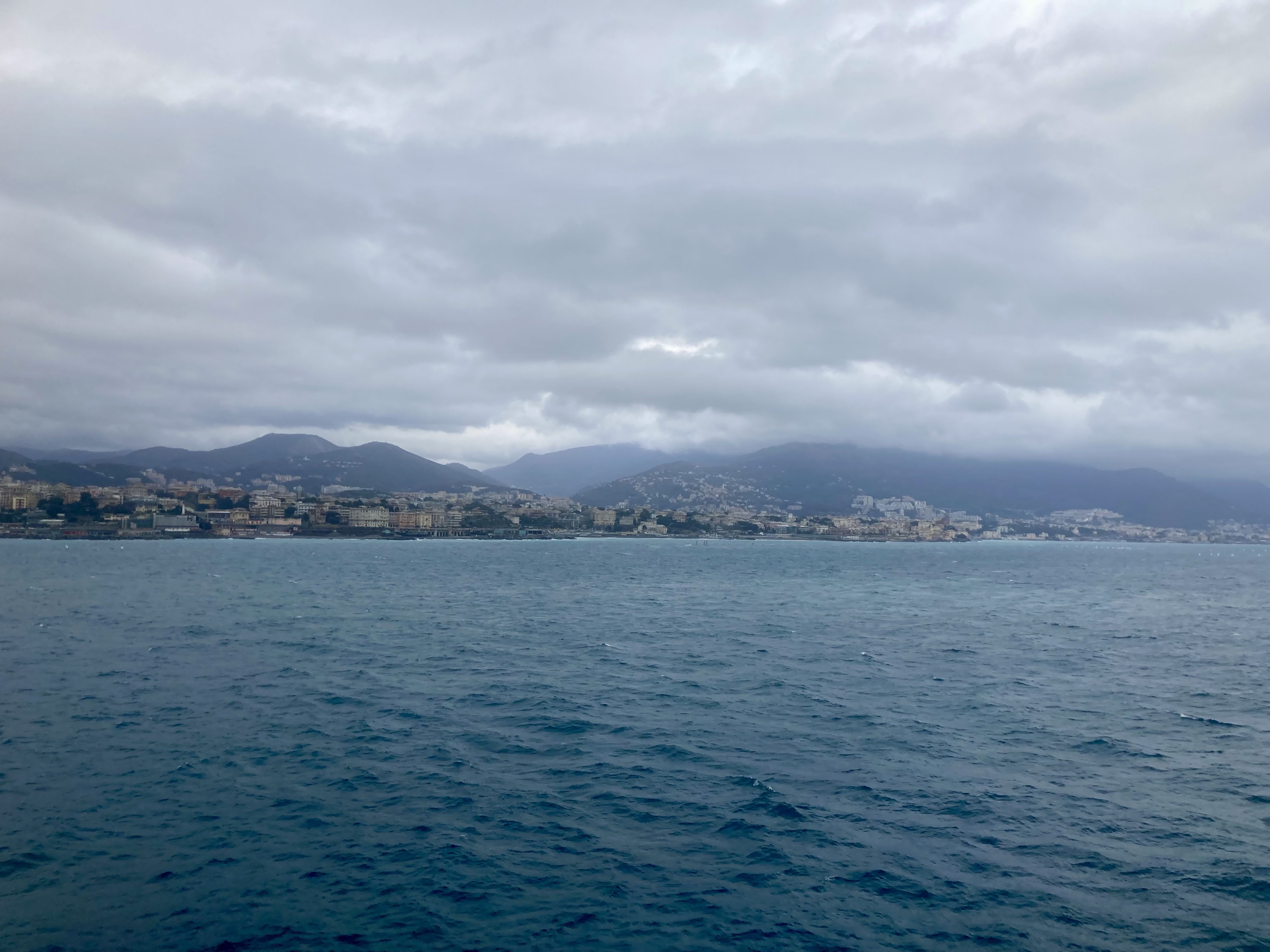
We passed Cap Corse and later Bastia about five hours after leaving Genoa. Unfortunately it was already dark. Although I love traveling in the off-season, these early nights are a drawback. I got some fresh air and a GPS signal around 22:30 and passed Aleria on Corsica. We crossed the Channel of Corsica around midnight and continued into the Tyrrhenian Sea along the east coast of Sardinia during the night.


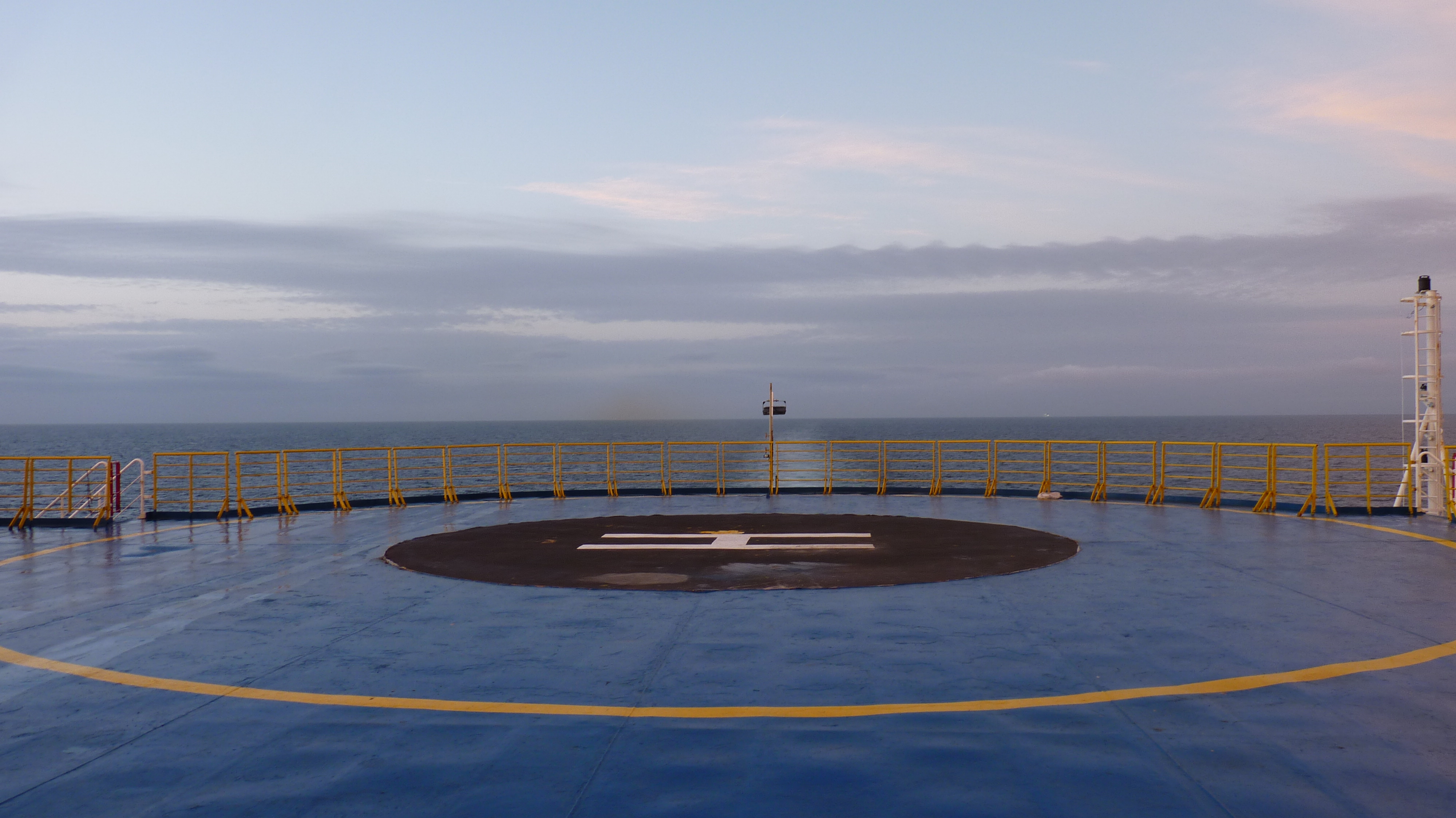
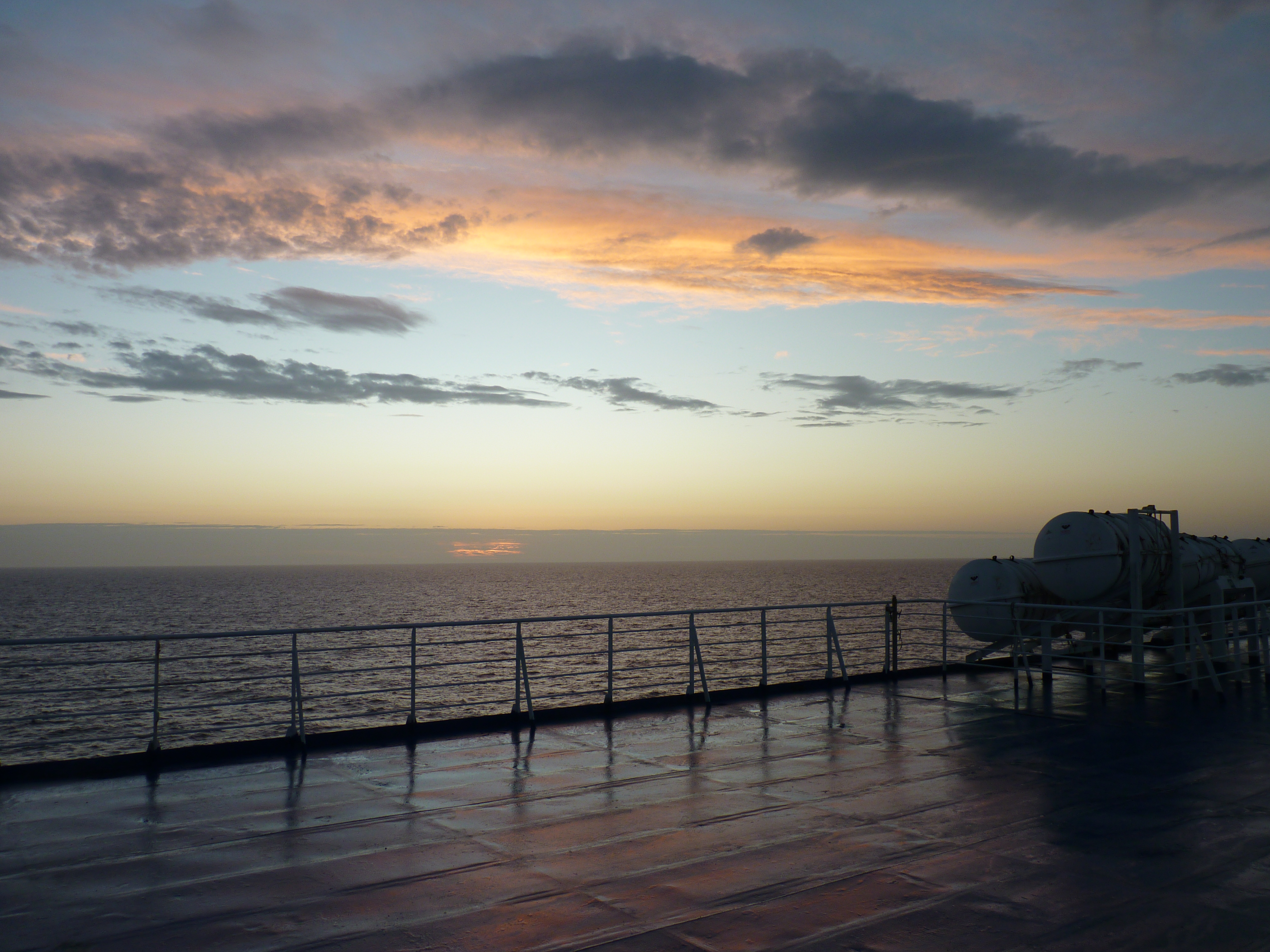
I found myself in open waters again around 7:30 am when I entered up to the top deck to watch the sunrise.
Moments like this make me appreciate this way of traveling. Ferries may travel at a relatively slow speed, 37 km/h in this case, but they can take you to a completely different place overnight. The air was balmy and felt like spring as the course had taken us almost due south.



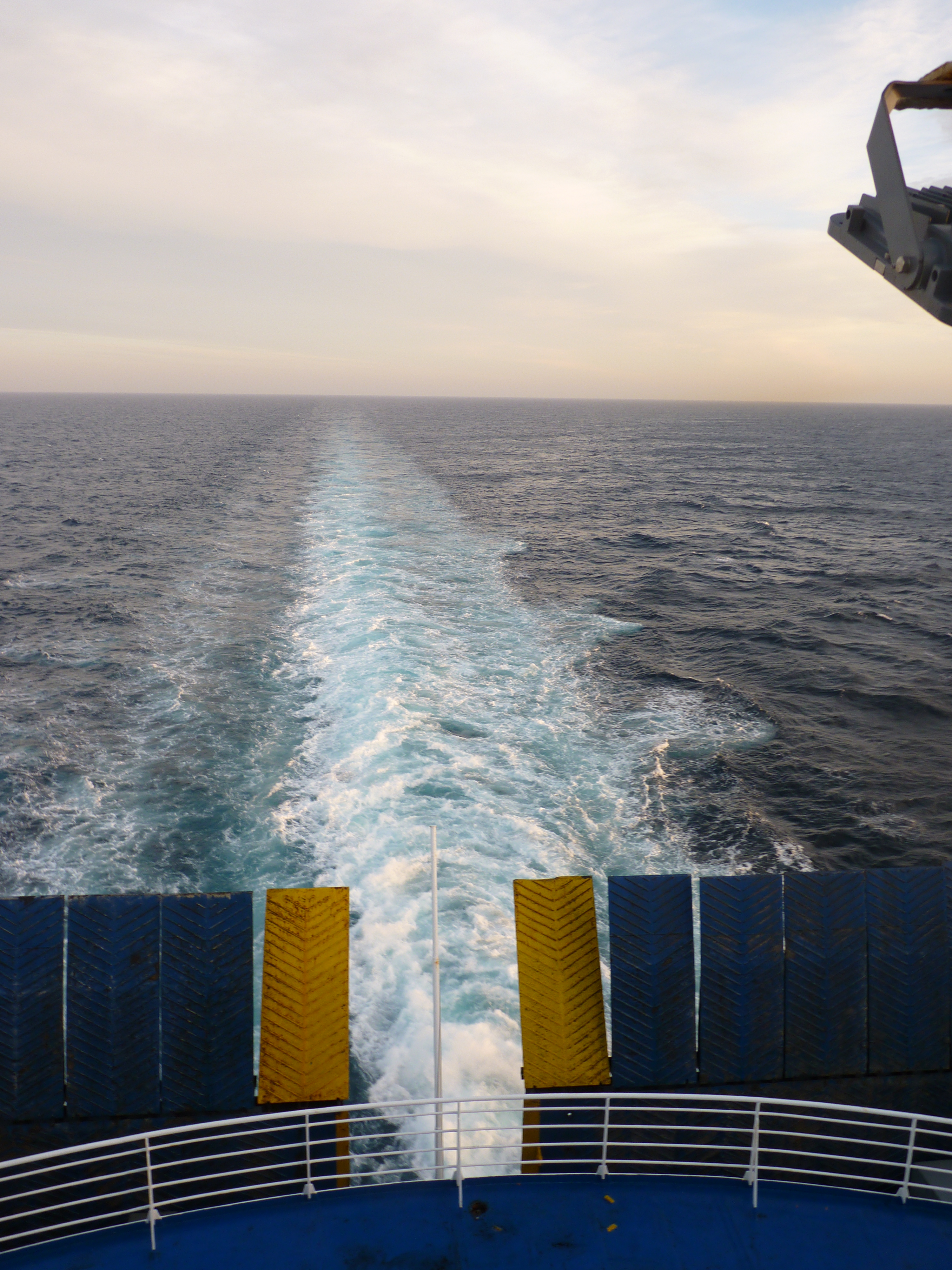

Over the next few hours, GNV Sirio entered the Libyan Sea and finally the Gulf of Tunis. There was a lot of activity with fishing boats, tankers and cargo ships visible from the outside decks. The weather was calm and pleasant but knowing that this is also one of the deadliest migration routes in the world was a chilling thought.
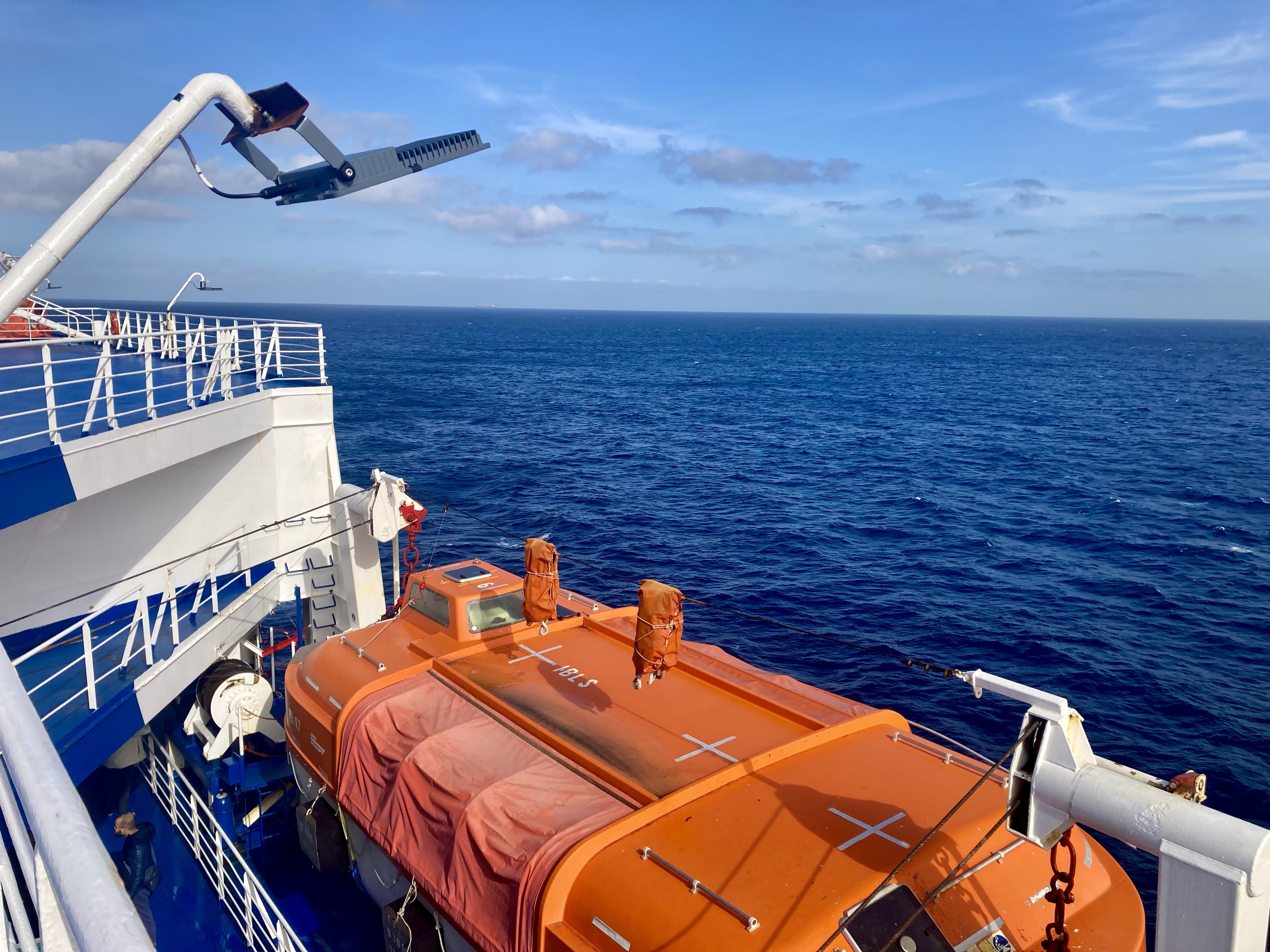


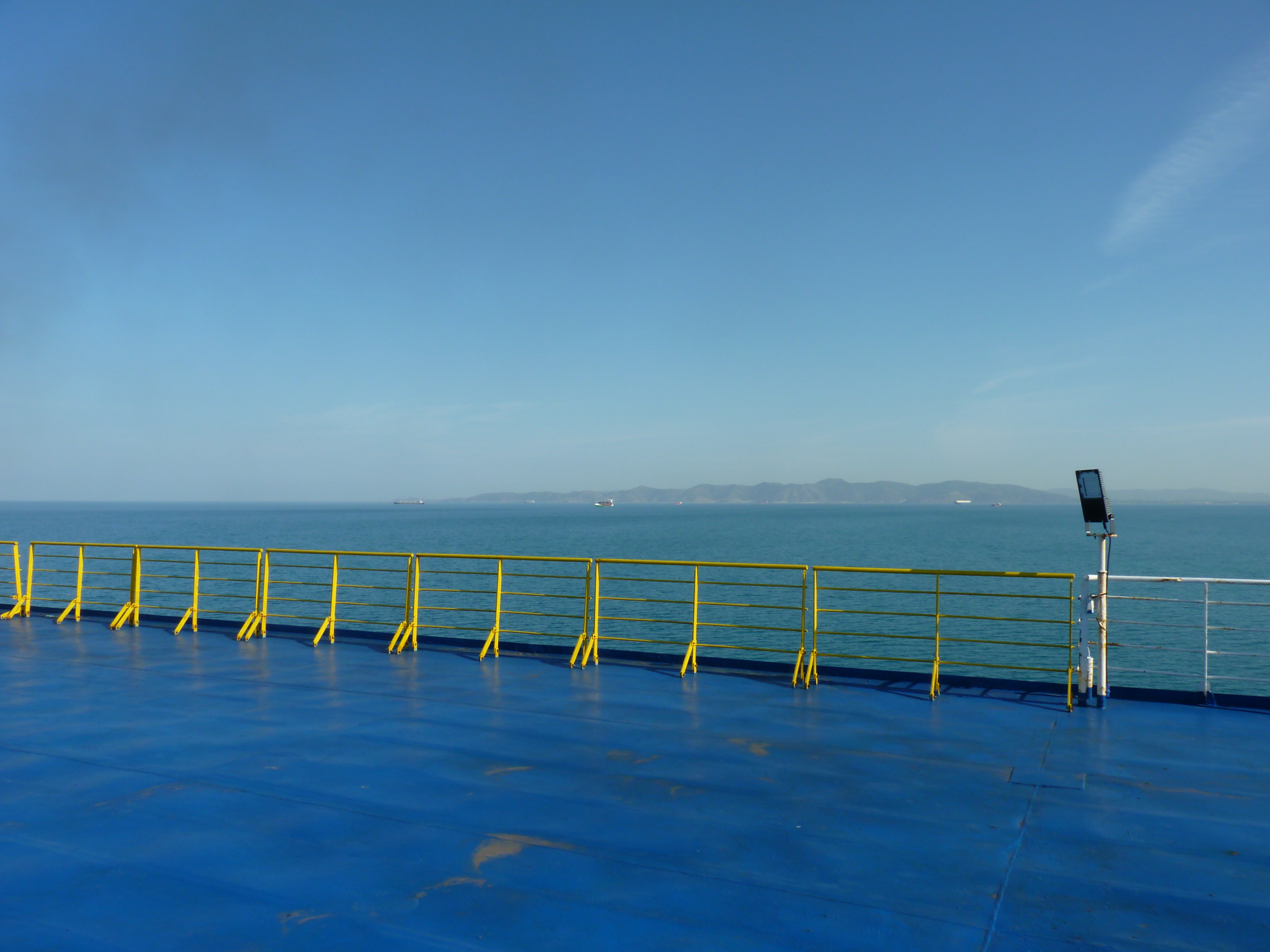

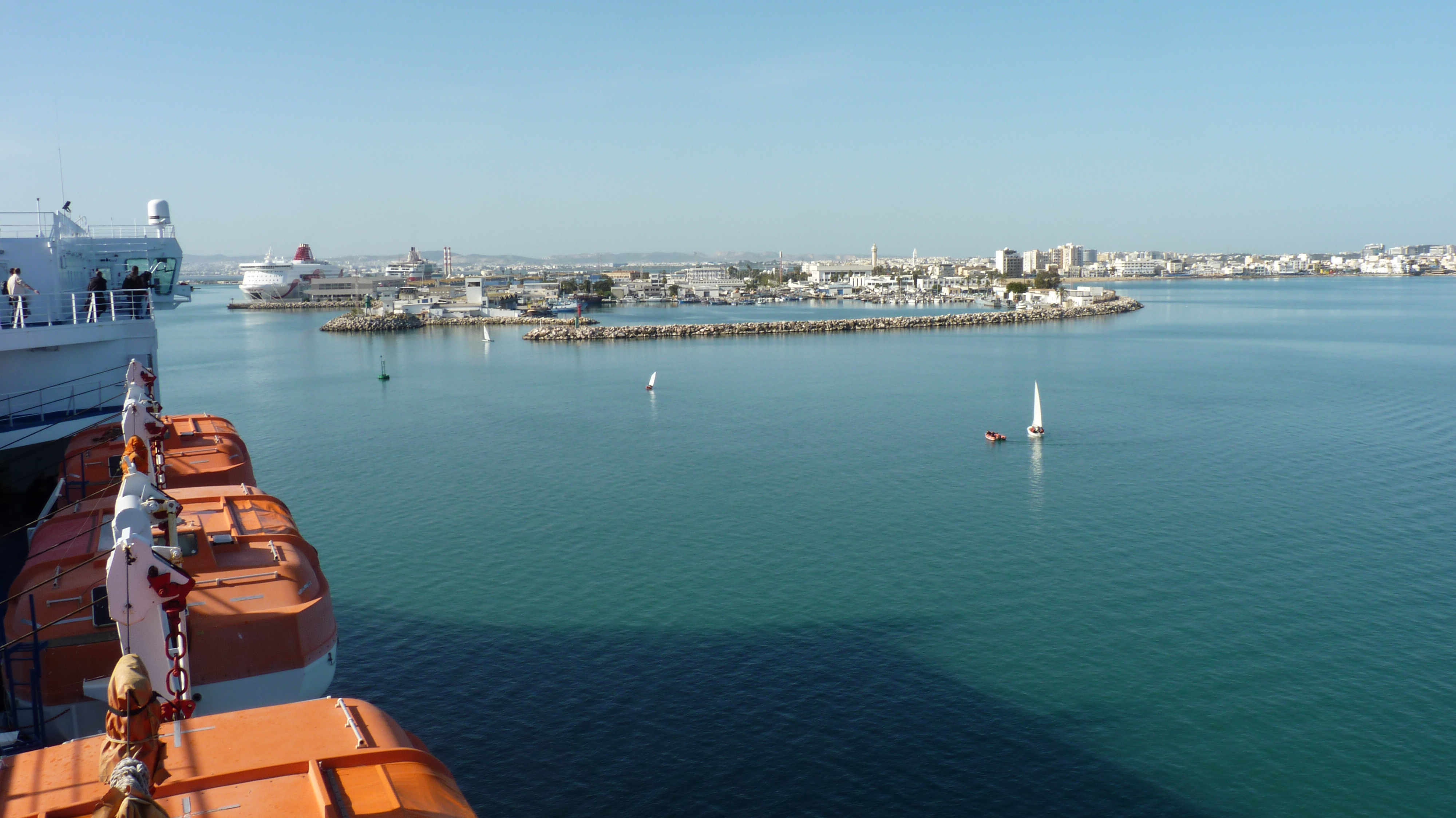
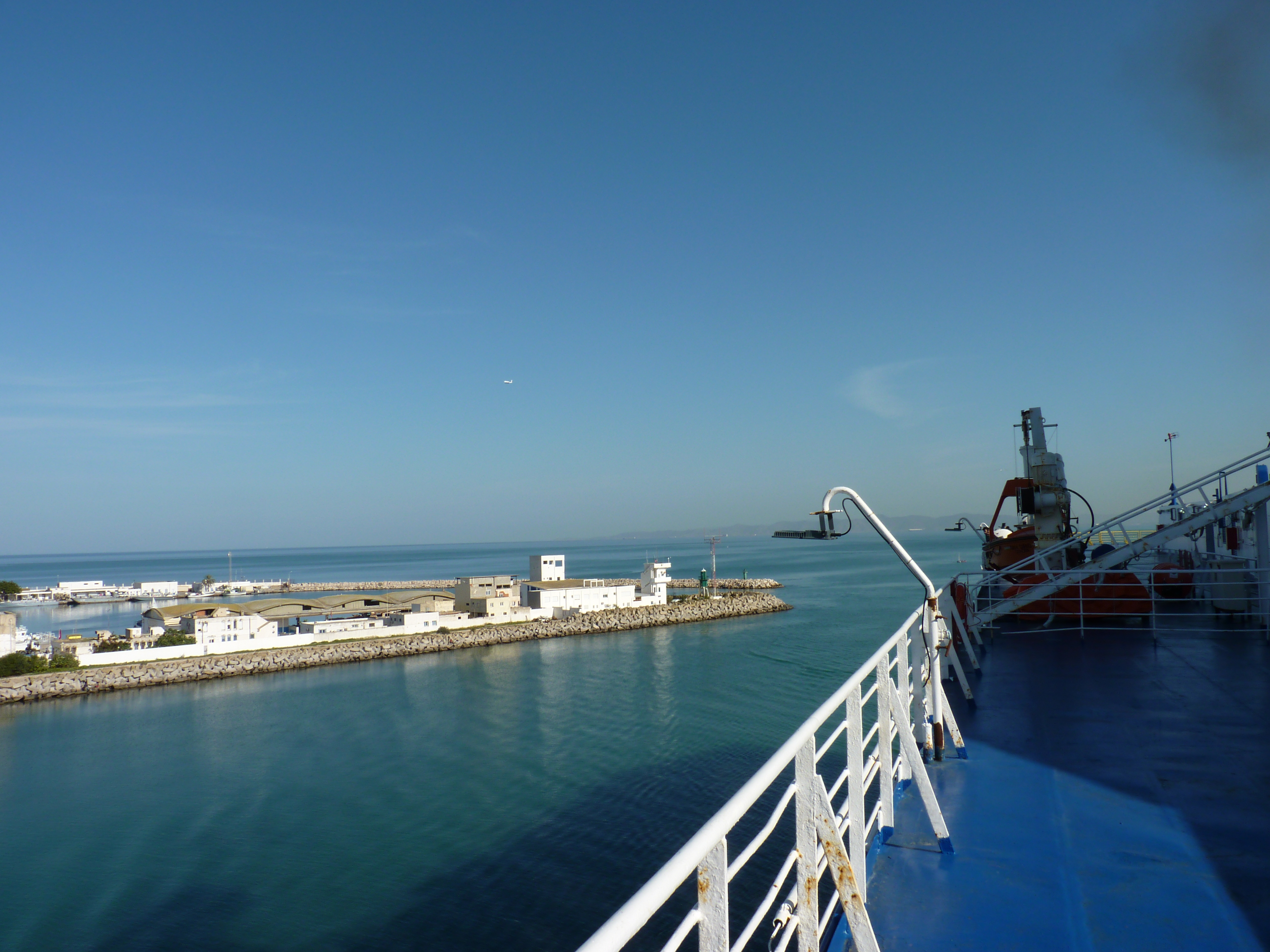
The first land was in sight about three hours before reaching the port of La Goulette. Arriving in North Africa was a pretty mind-blowing contrast – just 24 hours ago I had left the coast or Liguria, lush and green and rich with Christian heritage, and now I was approaching a sun-burnt coastline with white-washed villages and the minaret of a mosque overlooking the harbor.


Arrival Port
Two other ferries were berthed in the port already and I got a few good shots of CTN’s mighty Carthage and Corsica Linea’s sleek Daniele Cassanova.


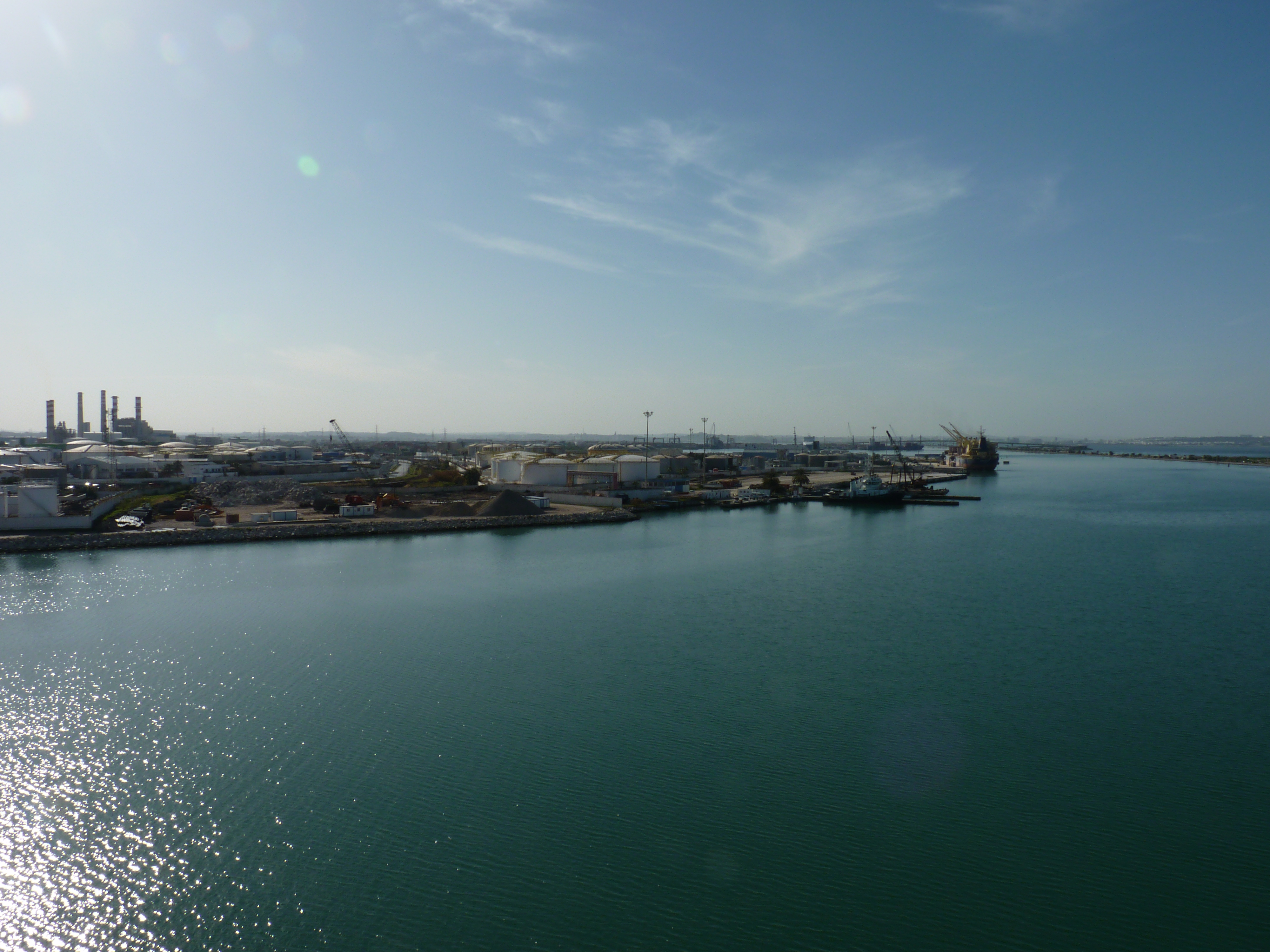
To my surprise our ferry also docked on the north side of La Goulette port. The map on GNV’s website shows a needle on the south side, as does Google Maps. From the deck I couldn’t see where a ferry could possibly berth on the south side, as there was just wasteland and a huge construction site. I reached out to GNV after my return, to find out, if they had moved permanently but didn’t get a useful answer. Again, the way GNV handles communications is subpar.
Arriving on the north side of La Goulette generally is a good thing, especially for foot passengers, as it is connected to public transit system, and the beaches of La Goulette are in walking distance too.

Formalities
After disembarking, passengers were bussed to the terminal, an uninviting, dimly lit concrete cavern. Here everyone had to face the end of level monster of this Mediterranean scavenger hunt in the form of Tunisian immigration.
I had to show my hotel reservation and onward ticket and the unfriendly immigration officer made a big fuss about the fact that I was only staying in Tunisia for one night. He even made me wait to see a supervisor. After I had truthfully explained several times in French and English that the purpose of my trip was to review the ferry crossing, and lied about how I was certainly going to return to Tunisia in the near future and stay much longer, I finally got my passport stamped and was able to proceed to customs, where the officials inspected everyone’s bags. All in all, a tedious and unpleasant procedure that reminded me of entering East Berlin in the 1980s.
Onward transport
From La Goulette north, you can either take a taxi or the suburban train to Tunis. There were a few taxi touts in the otherwise empty arrivals hall, and I negotiated a ride into town for 20 euros.


There is also a train station, Goulette Vieille, about 800 meters from the terminal. Before you get a ticket, though, you’ll need to change money, as it’s illegal to bring Tunisian dinars into the country. The banks around the station seem to be quite reluctant to change money, according to a German website for cruise passengers.
I was more than happy to skip schlepping around La Goulette in search of a money changer, getting change for the ticket machine and waiting for the allegedly unreliable Transtu trains and enjoyed the 20-minute cab ride into the city center and the conversation with the friendly and knowledgeable driver.
All things considered…
a fascinating journey from the northern to the southern shores of the mare nostrum, as the Romans called it, past the beautiful islands of Corsica and Sardinia, following ancient trade routes and the sad routes of 21st century migration. I enjoyed my time on board, the views from the open decks and the casual hospitality in the bar, but was also a bit frustrated by the constant lack of information throughout the voyage and my disgusting cabin.
Traveled in January 2025
 Pennyblog
One thought on “Scavanger Hunt at Sea: Genoa to Tunis on GNV Ferry Sirio ”